Data Loss Prevention (DLP) in the Age of Generative AI
Data Loss Prevention (DLP): Securing Data in the Age of Generative AI
In an era increasingly defined by rapid technological advancements, particularly within generative AI, the imperative to safeguard sensitive data has never been more critical. This article delves into Data Loss Prevention (DLP) and its evolving role in protecting an organization’s invaluable information assets against sophisticated threats and unintended exposure, particularly as AI systems become more integrated into enterprise operations. Understanding and implementing robust DLP strategies is paramount for maintaining data security and regulatory compliance.
Understanding Data Loss Prevention (DLP)

What is Data Loss Prevention?
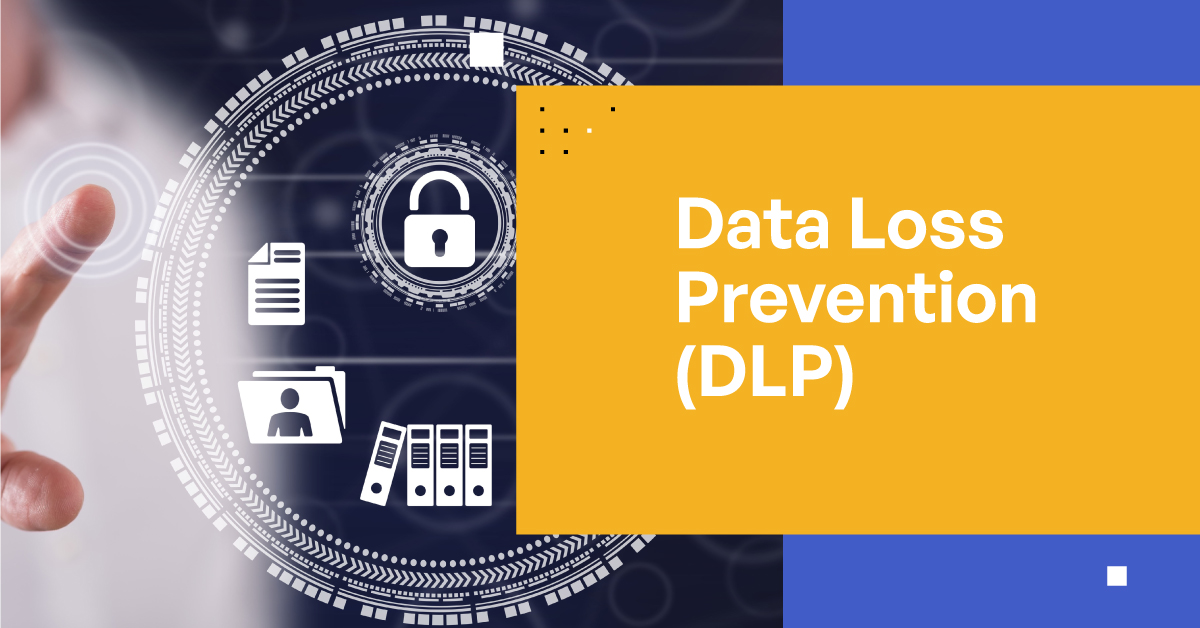
Data Loss Prevention (DLP) constitutes a comprehensive suite of tools and strategies designed to prevent sensitive data from leaving the corporate network or being accessed by unauthorized individuals. Its core purpose is to safeguard enterprise data and intellectual property, a primary concern for Chief Information Security Officers (CISOs), Chief Information Officers (CIOs), and Chief Technology Officers (CTOs), who are all charged with protecting vast amounts of sensitive data. DLP solutions meticulously monitor, detect, and block the unauthorized movement or exfiltration of data, ensuring its integrity and confidentiality across various states.
Importance of DLP in Data Security
The importance of DLP in data security cannot be overstated, particularly within the age of AI. As organizations increasingly leverage generative AI, the volume and complexity of data flows escalate, presenting new challenges for data protection. A robust DLP system is essential to prevent data leakage and maintain strong data security posture management, ensuring sensitive data across all touchpoints, from endpoints to networks. This proactive approach to data protection is vital for compliance with regulatory frameworks and for preserving the trust of customers and stakeholders by mitigating the risks associated with data exposure.
Overview of DLP Solutions
Teamwin Global Technologica offers a comprehensive suite of end-to-end IT infrastructure and security services, providing diverse DLP solutions tailored to modern enterprise needs. Our offerings extend to real-time Dark Web monitoring, advanced cybersecurity, threat detection, managed security services, and robust physical security, ensuring comprehensive data protection against evolving threats.
| Category | Solutions/Tools |
|---|---|
| Advanced Firewalls | FortiGate, Sophos, Checkpoint |
| Endpoint Security | Sentinel One, Crowd strike |
| PAM & EPM Tools | Endpoint Privilege Tool (AdminbyRequest) |
Generative AI and Its Impact on Data Security

The Role of Generative AI in Data Management
Generative AI is rapidly transforming data management practices, introducing sophisticated capabilities for data generation, analysis, and processing. This evolution necessitates a reevaluation of traditional DLP strategies. While generative AI tools can enhance data classification and discovery, they also introduce new vectors for data leakage and unauthorized data exposure. The challenge for security teams is to harness the benefits of AI usage while simultaneously strengthening data protection mechanisms to control sensitive data across its entire lifecycle, including unstructured data generated by AI models.
Challenges Posed by AI Usage
The increasing adoption of generative AI presents unique challenges for data security. Traditional DLP solutions, often designed for structured data and predictable data flows, may struggle to identify and protect sensitive data embedded within the complex outputs of AI systems. The rapid generation of AI data, coupled with the potential for “shadow AI” where employees use public AI tools without official oversight, significantly escalates the risk of data exfiltration and data at rest. These factors demand a more agile and intelligent DLP system that can adapt to the dynamic nature of AI-driven data movement.
Ensuring Data Protection in the Age of AI
To effectively protect data in the age of AI, DLP must evolve beyond legacy DLP approaches. Modern DLP solutions require enhanced capabilities for data discovery and classification, including the ability to identify regulated data and sensitive customer data within AI-generated content. Endpoint DLP and network DLP controls must be sophisticated enough to monitor and prevent sensitive data across endpoints and data in motion, regardless of the data type. Implementing robust DLP policies, including exact data match functionalities, is crucial to maintaining strong data security posture management and mitigating the risks associated with AI adoption.
Traditional vs. Modern DLP Approaches
Limitations of Traditional DLP
Traditional data loss prevention (DLP) systems, while foundational in their time, exhibit distinct limitations when confronted with the dynamic landscape of modern data security challenges, particularly those introduced by generative AI. These legacy DLP approaches often struggle with unstructured data, a rapidly growing segment within enterprise environments, and are primarily designed to monitor structured data flows. Their rule-based engines can be rigid, making them less effective at detecting novel data exfiltration techniques or identifying sensitive data embedded within complex AI-generated content. This rigidity can lead to significant data leakage risks, as traditional DLP tools may fail to prevent sensitive data from leaving the network through uncharted pathways.
Advancements in Modern DLP Technologies
Modern DLP technologies represent a significant leap forward from their traditional counterparts, offering enhanced capabilities crucial for data protection in the age of generative AI. These advanced DLP solutions leverage sophisticated analytics, machine learning, and behavioural analysis to provide a more comprehensive data security posture management. Unlike legacy DLP, modern DLP tools are adept at identifying and classifying various data types, including sensitive customer data and regulated data, even within unstructured data and the complex outputs of AI systems. TeamWin, for instance, offers enterprise AI-driven next-generation firewalls that integrate seamlessly with DLP, offering robust protection against data leaks and unauthorized data movement.
Integrating AI with DLP Practices
The integration of AI with DLP practices is transformative, moving beyond the limitations of traditional DLP to create a proactive and intelligent data security framework. AI systems enhance DLP’s ability to perform real-time data discovery, accurately classify sensitive data across all states—data at rest, data in motion, and data in use—and adapt to evolving threats. By leveraging AI, DLP solutions can detect nuanced patterns indicative of data exfiltration, even from shadow AI usage or public AI tools, which might otherwise bypass conventional controls. This symbiotic relationship ensures that organizations can protect data more effectively, maintaining stringent data security while embracing the benefits of AI adoption and sophisticated AI models.
Data Classification and Sensitive Data Management

Identifying Sensitive Data in the Age of Generative AI
Identifying sensitive data has become more complex and critical in the age of generative AI, where AI models can rapidly create vast amounts of new content, including unstructured data that may inadvertently contain proprietary or regulated information. The sheer volume and diverse nature of AI data generated make manual data classification impractical and prone to error. Organizations must implement advanced DLP tools that leverage AI itself for data discovery, enabling the automatic identification of sensitive data across endpoints and within complex data flows, ensuring comprehensive control of sensitive data. This proactive approach is vital for preventing data exposure and maintaining robust data protection.
Data Classification Techniques
Effective data classification techniques are the cornerstone of any robust data loss prevention strategy, particularly when dealing with the outputs of AI systems. Modern DLP systems utilize a combination of content inspection, context analysis, and exact data match methodologies to categorize data accurately. This includes identifying personally identifiable information (PII), protected health information (PHI), intellectual property, and other regulated data. By meticulously classifying data, DLP policies can be precisely tailored to prevent sensitive data from unauthorized data movement or data leakage, ensuring that even complex AI-generated content is adequately protected, reinforcing overall data security posture management.
Implementing DLP Policies for Sensitive Data
Implementing effective DLP policies for sensitive data is paramount to mitigate the risks associated with AI usage and ensure comprehensive data protection. These policies must extend beyond traditional DLP scopes, addressing the unique challenges posed by generative AI, such as potential data leaks through AI tools or AI governance gaps. Robust DLP policies should include stringent endpoint DLP and network DLP controls, precisely defining how sensitive data across endpoints, networks, and cloud environments can be accessed, used, and transmitted. This ensures that organizations can control sensitive data effectively, preventing data exfiltration and upholding the highest standards of data security in the age of generative AI.
DLP Controls and Strategies

Endpoint DLP Solutions
Endpoint DLP solutions are indispensable components of a robust data loss prevention strategy, particularly when securing sensitive data across the myriad of devices employees utilize. Teamwin Global Technologica offers robust endpoint security through advanced platforms like SentinelOne and Crowdstrike, providing comprehensive endpoint protection management (EPM). Our Endpoint Privilege Tool, AdminbyRequest, is a cutting-edge solution designed to safeguard endpoints by meticulously managing local admin privileges, thereby preventing unauthorized data exfiltration and maintaining stringent data security posture management. This ensures that sensitive data across all endpoints remains protected against both internal and external threats, addressing critical data leakage concerns effectively.
Network DLP Considerations
Network DLP considerations are fundamental to establishing a comprehensive data loss prevention framework, especially in an environment characterized by complex data flows. Teamwin Global Technologica specializes in secure networking solutions, offering a comprehensive suite of end-to-end IT infrastructure and security services designed to ensure seamless connectivity and mitigate data leaks. Our expertise includes both passive and active networking capabilities, crucial for monitoring and controlling data in motion. We provide enterprise AI-driven next-generation firewalls and emphasize structured cabling as a foundational networking component, all contributing to efficient networking solutions that bolster data protection and prevent sensitive data from unauthorized network movement.
Monitoring Data Flows and Movement
Vigilant monitoring of data flows and movement is paramount for effective data loss prevention, enabling organizations to detect and respond to potential data leakage swiftly. TeamWin offers real-time Dark Web monitoring, providing critical insights into potential data exposure before it escalates into a major breach. Our proactive threat management features vigilant monitoring and swift response strategies, ensuring that sensitive data is continuously protected. By meticulously tracking data in motion and data at rest, our DLP solutions can identify anomalous data movement, prevent sensitive data from unauthorized transfers, and enforce stringent DLP policies, thereby enhancing overall data security posture management and safeguarding customer data.
Future of DLP in the Age of Generative AI

AI Adoption Trends in Data Security
The burgeoning AI adoption trends are profoundly reshaping the landscape of data security, demanding a proactive evolution of data loss prevention strategies. Generative AI, with its capacity to create vast quantities of new data, introduces both unprecedented opportunities and significant challenges for data protection. TeamWin recognizes this paradigm shift, offering enterprise AI-driven next-generation firewalls that integrate seamlessly with modern DLP approaches. These AI systems empower DLP tools with enhanced capabilities for real-time data discovery and classification, allowing organizations to control sensitive data more effectively and mitigate the risks associated with AI usage, thereby preventing data leaks in complex environments.
Preparing DLP for Future Data Challenges
Preparing data loss prevention for future data challenges, particularly those posed by the increasing sophistication of generative AI, necessitates a forward-thinking and adaptive approach. Traditional DLP solutions, often designed for structured data, will prove increasingly inadequate in the face of dynamic AI data and unstructured data generated by AI models. DLP must evolve to incorporate advanced machine learning and behavioural analytics to identify and protect sensitive data across novel data flows. This proactive preparation is crucial to ensure that DLP systems can effectively prevent data exposure, combat shadow AI usage, and uphold stringent data security posture management in the ever-evolving age of AI.
Innovative DLP Solutions for Tomorrow
Innovative DLP solutions for tomorrow will be intrinsically linked to the advancements in generative AI, transforming how organizations protect data from data leakage and data exfiltration. The future of DLP will involve AI systems that can intelligently predict and prevent data movement risks, offering a more nuanced understanding of sensitive data. These modern DLP approaches will move beyond legacy DLP, incorporating capabilities like advanced natural language processing to identify regulated data and customer data within complex, AI-generated content. TeamWin is committed to developing these cutting-edge DLP tools, ensuring our clients can protect data effectively and maintain a robust data security framework in the dynamic age of generative AI.

How does data movement increase risk with generative AI and enterprise AI deployments?
Data movement across cloud services, collaboration apps and AI platforms can expose both structured and unstructured data as information travels between systems. When employees use AI tools like ChatGPT or other enterprise AI agents, prompts and pasted content can send sensitive data into public AI endpoints, increasing the cost of a data breach if secrets leak. Organizations should map data channels and maintain an inventory of sensitive data to understand where data movement occurs and apply controls to limit unnecessary flows.
How can DLP prevent data leaks when employees use AI tools to paste or share content and thus prevent data exposure?
Modern DLP solutions can detect sensitive data at rest and in motion, flagging when users are pasting sensitive data into generative AI prompts or sharing confidential files across data channels. A properly tuned dlp alert and policy framework helps stop accidental data shared to public models, and dlp gives security teams contextual information to block or redact content before it leaves the enterprise. Integrating DLP with user training reduces risky behaviour when employees use AI tools.
Why do traditional data controls struggle with generative AI and traditional data protection approaches?
Legacy DLP tools were built for known channels like email and file shares and often focus on structured data patterns; they struggle with the scale of unstructured data and the conversational nature of generative AI. Traditional data protection approaches may miss nuanced prompts or model outputs, so modern strategies combine behavioural detection, contextual inspection of generative ai prompt content, and integration with DSPM to cover cloud assets.
What is the role of a modern approach to data security and DLP and DSPM integration in mitigating the cost of a data breach?
An updated data security strategy that combines DLP and DSPM provides visibility across sensitive data at rest, data movement, and application configurations. This approach to data security creates an inventory of sensitive data, enforces policies across data channels, and reduces the likelihood that data into public AI leads to damage. By preventing high-risk exposures, organizations lower the potential cost of a data breach and improve incident response when a dlp alert fires.
How should organizations adapt DLP to protect both structured and unstructured data when employees use AI tools and share data?
Protecting both structured and unstructured data requires content-aware controls, contextual risk scoring, and policies that address common behaviours like pasting sensitive data into chat or uploading files to third-party AI services. Combine technical controls with governance: classify an inventory of sensitive data, restrict data movement to approved enterprise AI instances, educate users about ai tools like chatgpt and the risks of data shared in prompts, and ensure continuous monitoring so dlp gives security teams actionable signals.