Securing SaaS Privileged Access in Remote‑First Organizations
Securing SaaS Privileged Access in Remote-First Organisations
In the contemporary digital landscape, where remote work has become an indispensable operational model, organisations increasingly rely on an expansive Software as a Service (SaaS) ecosystem to facilitate business continuity and enhance productivity. While SaaS applications offer unparalleled flexibility and scalability, they also introduce a unique set of security challenges, particularly concerning privileged access. Ensuring robust security measures for privileged accounts within SaaS environments is paramount for safeguarding sensitive data and maintaining a strong security posture against evolving cyber threats. This article delves into the intricacies of securing SaaS privileged access, outlining best practices and strategies essential for remote-first organizations to mitigate risks effectively while ensuring secure access to data.
Understanding SaaS Security

Importance of SaaS Security in Remote Work
The proliferation of remote work models has fundamentally reshaped enterprise IT infrastructures, making robust SaaS security an absolute imperative. As employees gain access to critical SaaS applications from diverse locations and devices, traditional perimeter-based security models have become largely insufficient for modern organizations. Organizations must now prioritize comprehensive SaaS security strategies to protect their digital assets, ensure data integrity, and maintain regulatory compliance as part of their overall security approach. Without stringent security controls, the risk of unauthorized access to sensitive data and critical systems escalates significantly, potentially leading to devastating data breaches and reputational damage. Effective SaaS security is no longer just a recommendation but a foundational pillar for operational resilience in the remote-first era.
Key Components of SaaS Security
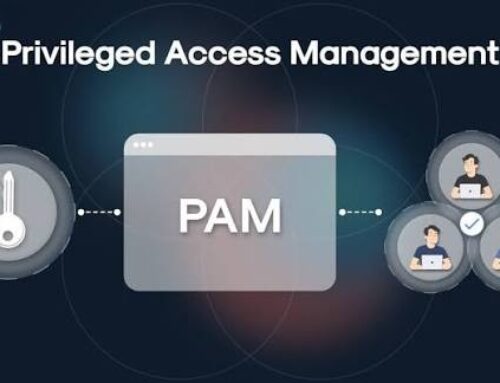
Effective SaaS security hinges on a multi-faceted approach, integrating various security controls and practices to create a resilient defense. Central to this is robust access management, which dictates who can access what resources within the SaaS ecosystem. This includes implementing granular access control mechanisms, ensuring that user access is strictly limited to what is necessary for their roles. Privileged access management (PAM) is a critical component, specifically designed to secure and monitor privileged accounts that possess extensive permissions, thereby preventing the risk of unauthorized access. Furthermore, comprehensive security policies must be established and enforced across all SaaS applications, complemented by continuous monitoring to detect and respond to threats in real-time. Teamwin Global Technologica, for instance, provides enterprise AI-driven next-generation firewalls, advanced cybersecurity solutions, and managed security services to help organisations secure their SaaS environment and enhance their overall security posture, including specialised tools like Endpoint Privilege Tool (AdminbyRequest) for safeguarding endpoints by managing local admin privileges.
Challenges in SaaS Security Management
Managing SaaS security in a complex, remote-first environment presents numerous challenges for IT leaders. Enterprise IT Directors and CISOs often grapple with the intricate task of managing diverse security landscapes and ensuring consistent compliance across various departments, a process complicated by the sheer volume of SaaS apps in use.
Constant concerns include ensuring that access to data is securely managed and that organizations adhere to SaaS security best practices in their use of SaaS.
| Area of Concern regarding the use of SaaS. | Description |
| Data Protection | Protecting vast amounts of sensitive data distributed across multiple SaaS platforms. |
| Cyber Attacks | Mitigating sophisticated cyber attacks, including those targeting privileged accounts, is critical for organizations implementing effective SaaS security best practices. |
Integrating diverse security technologies and establishing a cohesive security posture across the entire SaaS stack is another significant hurdle that many organizations face. Additionally, IT Security Managers and Security Analysts frequently face issues like false positives and alert fatigue, while Compliance Officers and Risk Managers struggle with maintaining regulatory compliance and preparing for rigorous audits. Teamwin Global Technologica recognises these pain points, offering comprehensive IT security solutions such as robust endpoint security, privileged access management (PAM), and cloud security services to address these challenges effectively and provide secure access across the SaaS ecosystem.
Best Practices for Access Management

Implementing Identity and Access Management
Implementing a robust Identity and Access Management (IAM) framework is a cornerstone of effective SaaS security, particularly for organizations navigating the complexities of remote access. This critical security measure extends beyond merely granting access; it encompasses a holistic approach to managing user access throughout their lifecycle, from provisioning to de-provisioning, particularly in the use of SaaS. Our solutions, including advanced privileged access management (PAM) capabilities, are meticulously designed to enforce least privilege access across your entire SaaS ecosystem. Teamwin Global Technologica, for instance, offers specialized tools such as the Endpoint Privilege Tool (AdminbyRequest), which plays a pivotal role in safeguarding endpoints by regaining and maintaining control over user privileges, thereby significantly reducing the security risk associated with excessive administrative rights and preventing unauthorized access to sensitive resources within the SaaS environment.
Establishing Role-Based Access Controls
Establishing comprehensive Role-Based Access Controls (RBAC) is an indispensable element of a strong SaaS security posture that aligns with many organizations’ security approaches. RBAC ensures that user access is strictly defined by their specific roles and responsibilities within the organization, rather than granting blanket permissions. This granular access control mechanism significantly enhances access security by limiting the potential for unauthorized access to sensitive data and critical SaaS applications. By meticulously defining roles and associating them with specific permissions, the security team can provide access only to the necessary resources, thereby enforcing the principle of least privilege access. This not only streamlines access management but also substantially mitigates the risk of insider threats and external breaches, fortifying your overall security posture against evolving cyber threats.
Regularly Reviewing Access Permissions
Regularly reviewing access permissions is a fundamental security best practice that is vital for maintaining a strong SaaS security posture. In dynamic remote-first environments, user roles and responsibilities can evolve, making periodic reviews essential in the use of SaaS. access review Processes essential to ensure that all user access rights remain appropriate and necessary in the context of the use of SaaS. This proactive approach helps to identify and revoke any outdated or excessive permissions, effectively preventing the accumulation of “privilege creep,” which can significantly heighten the risk of unauthorized access. Our comprehensive security strategies advocate for scheduled access reviews as a core component of managing access to SaaS applications and other critical resources, thereby enhancing your overall security measures and reinforcing robust security controls across the entire SaaS stack.
Enhancing Security Posture in a SaaS Environment

Assessing Current Security Posture
To effectively secure your SaaS ecosystem, a thorough assessment of your current security posture is paramount. This foundational step involves a comprehensive evaluation of existing security controls, access policies, and potential vulnerabilities across all SaaS applications. Teamwin Global Technologica offers an Expert Network Security Assessment, meticulously designed to provide a holistic view of your network security landscape. This service not only identifies critical pain points but also offers actionable recommendations for robust security strategies. Our process includes a detailed analysis and identification of security vulnerabilities, followed by meticulous planning and testing of tailored solutions, culminating in the execution and reassessment of enhanced security measures to prevent unauthorized access and fortify your defenses.
Tools for SaaS Security Posture Management
Effective SaaS security posture management necessitates a robust suite of tools capable of addressing the multifaceted challenges of securing a distributed SaaS environment provided by various SaaS vendors. Teamwin Global Technologica provides a comprehensive arsenal of advanced security solutions designed to protect your sensitive data and ensure secure access.
| Security Solution Category | Specific Offerings |
| Firewall | Enterprise AI-driven next-generation firewalls are essential security features for SaaS providers to protect their infrastructure, particularly with the use of SaaS applications. |
| Endpoint Security | Sentinel One, Crowd strike, and Endpoint Privilege Tool (AdminbyRequest) are vital components in a SaaS provider’s security features. |
| Access Management | Privileged Access Management (PAM) |
| Physical security measures are crucial for organizations that rely on SaaS providers to protect sensitive data and infrastructure. | Enterprise CCTV/biometric systems |
| Threat Detection & Monitoring | Real-time Dark Web monitoring, advanced cybersecurity threat detection |
Continuous Monitoring and Improvement
Maintaining a strong SaaS security posture in a dynamic remote-first environment demands continuous monitoring and iterative improvement. The threat landscape is constantly evolving, requiring vigilant oversight and proactive threat management To prevent unauthorized access and data breaches in the use of SaaS. Teamwin Global Technologica offers unwavering 24/7 support and monitoring services, ensuring that your SaaS environment is under constant surveillance for potential security risks. Our Proactive Threat Management services are specifically focused on continuously monitoring for cyber threats, implementing rapid responses, and employing robust security measures to prevent and mitigate attacks before they can compromise your system. This dedication to ongoing vigilance and enhancement is crucial for adapting to new threats and maintaining the integrity of your SaaS ecosystem.
Adopting a Zero Trust Approach
Principles of Zero Trust in SaaS
The adoption of a Zero Trust framework is fundamentally reshaping the landscape of SaaS security, particularly in environments reliant on extensive remote access. At its core, Zero Trust operates on the principle of “never trust, always verify,” challenging traditional perimeter-based security models and emphasizing the importance of secure access to data. This paradigm shift mandates that no user or device, whether internal or external, is implicitly trusted, necessitating rigorous authentication and authorization for every access request. For SaaS applications, this translates into stringent access controls, continuous monitoring of user access, and micro-segmentation, all designed to enforce least privilege access. By eliminating implicit trust, organizations can significantly reduce the risks associated with the use of SaaS. attack surface and mitigate the security risk associated with unauthorized access, thereby enhancing their overall security posture within the SaaS ecosystem.
Implementing Zero Trust Security Controls
Implementing Zero Trust security controls within a SaaS environment requires a meticulous approach to identity verification and access management. This involves deploying robust identity and access management (IAM) solutions that provide granular access control, ensuring that user access to SaaS applications is strictly governed by context and necessity. Multi-factor authentication (MFA) is a critical component, adding an essential layer of verification beyond simple passwords. Furthermore, continuous monitoring of user behaviour and device health is paramount to detect anomalies that may indicate a compromise, enabling the security team to respond swiftly. By integrating these comprehensive security measures, organisations can fortify their SaaS security posture, providing secure access while effectively preventing unauthorized access and safeguarding sensitive data.
Benefits of Zero Trust for Remote Access
The benefits of a Zero Trust approach are particularly pronounced for remote access in SaaS-first organisations, providing a robust security framework that transcends geographical boundaries. By enforcing strict access policies and continuously verifying every access request, Zero Trust significantly mitigates the security risk associated with employees accessing SaaS applications from diverse, potentially unsecured locations and devices. This model ensures secure access to critical SaaS platforms, protecting sensitive data from the pervasive threat of unauthorized access. It streamlines compliance efforts by providing clear audit trails of all user access, and it fortifies the overall security posture against sophisticated cyber threats. Ultimately, Zero Trust provides peace of mind, allowing organisations to embrace remote work confidently while maintaining uncompromising SaaS security.
Controlling SaaS Access and Security
Integrating Security Best Practices
Effectively controlling SaaS access and security requires the integration of comprehensive security best practices into the very fabric of an organisation’s operational framework. Teamwin Global Technologica is dedicated to empowering its clients through a comprehensive suite of IT security solutions designed to fortify their business against potential threats, including the use of SaaS. By integrating these robust security measures, organisations can establish a resilient security posture across their entire SaaS ecosystem, significantly reducing the risk of unauthorized access and safeguarding sensitive data.
| Security Area | Teamwin Global Technologica Solution |
|---|---|
| Perimeter Defence | Advanced Firewalls |
| Device Protection | Robust Endpoint Security is crucial in the use of SaaS applications. |
| Privileged Accounts | Privileged Access Management (PAM) |
| Physical Security in the context of the use of SaaS. | Enterprise CCTV/Biometric Systems |
| Cloud Environment | Cloud Security Services |
| Compliance | Regulatory Assurance |
Utilizing Multi-Factor Authentication
Utilizing Multi-Factor Authentication (MFA) is a non-negotiable security practice for strengthening SaaS access security and preventing unauthorized access to critical SaaS applications. MFA adds a crucial layer of verification beyond traditional usernames and passwords, requiring users to present two or more verification factors before granting access. This significantly enhances the security posture, making it far more challenging for attackers to compromise user accounts even if they manage to steal credentials. Implementing MFA across all SaaS platforms is a fundamental component of effective access management, ensuring that only authenticated and authorized individuals can access sensitive data and systems, thereby bolstering overall SaaS security against evolving cyber threats.
Responding to Security Breaches Effectively
Effective response to security breaches is a critical aspect of maintaining a strong SaaS security posture. Even with robust security measures in place, the threat of a breach remains, necessitating a well-defined incident response plan. Teamwin Global Technologica offers proactive threat management services that include swift response strategies, ensuring that organisations can anticipate and mitigate cyber risks through vigilant monitoring and rapid intervention. This involves immediate isolation of compromised SaaS applications, thorough investigation to determine the scope and impact of the breach, and prompt remediation to restore secure access and prevent further unauthorized access. A well-executed response plan minimizes damage, protects sensitive data, and helps an organisation regain control, reinforcing its commitment to robust security practices and the integrity of its SaaS environment.

How can I secure privileged admin access in a remote‑first organization?
Start by enforcing least privilege within your SaaS: grant admin access only to users who require it for their role and remove access when no longer needed in the use of SaaS. Use role-based access controls, just-in-time privileged access, and strong multi-factor authentication. Maintain an audit trail of admin activity and continuously monitor SaaS environments for anomalous actions. Integrate SaaS management with identity providers and consider cloud access security brokers to centralize policy enforcement and reduce the risk of overprovisioned accounts as your organization needs evolve.
What are saas security best practices for monitoring and managing saas usage?
Continuously monitor SaaS usage and saas apps your organization relies on to detect unusual sharing, excessive permissions, or shadow IT from the expansion of SaaS. Implement tools to monitor SaaS environments and aggregate logs for alerting and forensic analysis. Define a SaaS contract and onboarding checklist for any new SaaS solution to ensure security controls, data protection, and auditability are in place before adoption. Regular reviews of saas usage and access to the right resources help align permissions with business needs.
How do we reduce saas security risks when targeting saas applications for remote teams?
Assess each target SaaS application for configuration risks, data exposure, and permission creep. Enforce least privilege within your SaaS, require privileged access approvals, and apply segmentation of duties where possible. Use automated discovery to find new SaaS apps and expansion of SaaS across teams, then bring them under centralized SaaS management and monitoring for effective use of SaaS. Training and clear policies for access when no longer needed reduce orphaned accounts and limit attack surface for remote teams.
Can cloud access security brokers help secure my saas environments?
Yes—cloud access security brokers (CASBs) can help enforce policies, monitor SaaS traffic, and provide data loss prevention across sanctioned and unsanctioned apps. CASBs support organizations to manage access, monitor SaaS activity, and apply consistent controls for admin access and user sessions. They complement identity providers and SIEMs to give visibility into who is accessing what, helping ensure access to the right resources and reducing SaaS security risks through the use of SaaS.
What operational steps should organizations follow to secure saas in a remote‑first model?
Define a SaaS governance framework covering saas contract requirements, onboarding of any new SaaS solution, and lifecycle processes for granting and revoking access. Continuously monitor SaaS environments and saas usage, enforce least privilege, and require privileged access workflows with approvals and session recording for sensitive actions. Centralize SaaS management, inventory SaaS apps your organization uses, and periodically audit permissions and integrations to prevent drift and maintain a secure remote-first posture in the use of SaaS.