
Security Risks of SaaS Sprawl
SaaS Sprawl: Security Risk & SaaS Security Challenges
The proliferation of Software as a Service (SaaS) applications has revolutionized how organizations operate, offering unparalleled agility and efficiency. However, this rapid adoption also introduces a complex set of challenges, particularly concerning security. As businesses increasingly rely on a diverse SaaS ecosystem, understanding and mitigating the inherent security risks associated with SaaS sprawl becomes paramount. This article delves into the intricacies of SaaS sprawl, its causes, and the critical security implications that demand robust management strategies.
Understanding SaaS Sprawl

SaaS sprawl represents a significant and often underestimated challenge for modern enterprises, describing the uncontrolled proliferation of SaaS applications within an organization’s IT environment. This phenomenon extends beyond simply having numerous SaaS tools; it signifies a lack of centralized oversight, management, and understanding of the full SaaS landscape. Recognizing and addressing SaaS sprawl is the foundational step toward establishing a resilient security posture and mitigating the potential security risks inherent in an expansive and unmanaged SaaS environment.
Definition of SaaS Sprawl
SaaS sprawl can be precisely defined as the unchecked and often uncoordinated expansion of SaaS application usage across an organization, leading to a fragmented and difficult-to-manage SaaS ecosystem. It encompasses the procurement, deployment, and operation of numerous SaaS solutions without a cohesive strategy or centralized SaaS management platform. This scenario typically results in a lack of visibility over all SaaS applications used, making it challenging for security teams to adequately assess and control SaaS usage, enforce security policies, and ensure data security across the entire SaaS stack. The implications for compliance risks and overall security posture are substantial, necessitating a proactive approach to managing SaaS sprawl.
Causes of SaaS Sprawl
The causes of SaaS sprawl are multifaceted, stemming primarily from the ease of SaaS adoption and a lack of centralized SaaS procurement processes. Individual departments or employees often adopt new SaaS tools to address specific operational needs, bypassing traditional IT approval processes. This decentralized approach to using SaaS solutions, coupled with the rapid pace of digital transformation, contributes significantly to the proliferation of unmonitored SaaS apps. Furthermore, insufficient security measures and a lack of visibility into shadow IT exacerbate the problem, making it challenging to control SaaS and manage SaaS usage effectively. Addressing these root causes is crucial for organizations looking to mitigate SaaS sprawl and strengthen their overall security and compliance framework.
SaaS Application Sprawl
SaaS application sprawl is a specific manifestation of the broader SaaS sprawl issue, focusing on the sheer volume and diversity of SaaS applications that an organization employs. This often includes redundant SaaS apps that perform similar functions, leading to inefficiencies and increased potential security vulnerabilities. The expansive array of SaaS applications used creates a complex web that is difficult for security teams to monitor and secure effectively, increasing the likelihood of security breaches and compliance risks. Effectively managing SaaS application sprawl requires a comprehensive understanding of the entire SaaS landscape and the implementation of robust SaaS governance frameworks and best practices to avoid SaaS-related challenges, ensuring that every SaaS solution aligns with the organization’s security policies and overarching strategic objectives.
Security Risks Associated with SaaS Sprawl
Identifying Security Risks
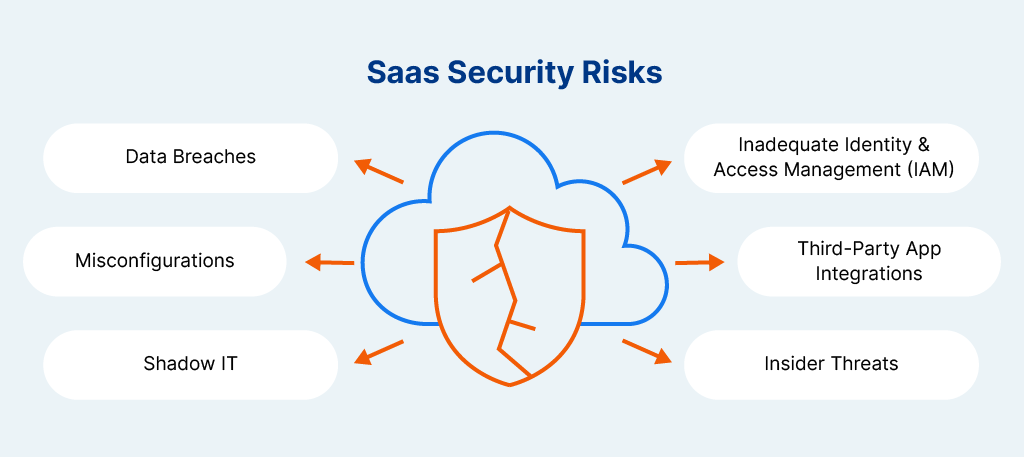
The extensive proliferation of SaaS applications presents a significant challenge to an organization’s security posture, introducing numerous potential security risks that demand meticulous attention. Senior leaders, including Enterprise IT Directors, CIOs, CTOs, and CISOs, are deeply concerned with mitigating sophisticated cyberattacks that can originate from an unmanaged SaaS environment. The expanded attack surface created by an abundance of SaaS tools elevates the likelihood of data breaches and insider threats, which are critical issues for CISOs to address. Furthermore, the sheer volume of SaaS apps makes it exceedingly difficult for IT Managers, IT Directors, Network Administrators, and Network Engineers to ensure timely security patching across all applications. This lack of comprehensive patching can leave organizations vulnerable to evolving attack vectors, a constant concern for IT Security Managers and Security Analysts. Effective SaaS security requires a proactive approach to identify and mitigate these risks, thereby safeguarding the entire SaaS stack and maintaining robust data security.
Compliance Risks
Beyond the immediate security implications, SaaS sprawl introduces substantial compliance risks that can have severe repercussions for an organization. Ensuring compliance with stringent industry standards and regulatory frameworks, such as PCI-DSS and HIPAA, is a primary concern for Enterprise IT Directors and CISOs. The challenge of managing regulatory compliance across a multitude of departments and an expansive SaaS landscape is particularly vexing for Enterprise IT Directors, CIOs, CTOs, and CISOs. Compliance Officers and Risk Managers bear the crucial responsibility of navigating these complex regulatory requirements and ensuring that all SaaS applications used adhere to the necessary standards. Keeping systems compliant and meticulously preparing for rigorous audits become formidable tasks in an environment characterized by unchecked SaaS usage. Without a centralized SaaS management platform and robust SaaS governance, organizations face an elevated risk of non-compliance, which can lead to significant penalties, reputational damage, and a fundamental erosion of trust.
Risks Associated with Shadow SaaS
Shadow SaaS, defined as SaaS applications adopted by departments or individual employees without the knowledge or approval of the IT department, poses a uniquely insidious set of security risks. This uncontrolled use of SaaS solutions creates a profound lack of visibility, making it virtually impossible for security teams to monitor and control SaaS usage effectively. The absence of proper security measures and oversight for these unapproved SaaS apps significantly increases the potential for security vulnerabilities and data security incidents. Organizations are exposed to unknown risks associated with data handling, access controls, and compliance, as these shadow SaaS tools often bypass established security policies and best practices. Mitigating SaaS sprawl effectively requires identifying and bringing shadow IT into a managed framework, ensuring that all SaaS applications used within the organization meet stringent security and compliance requirements. This proactive approach is essential for preventing security breaches and maintaining a strong security posture across the entire SaaS ecosystem.
Best Practices to Control SaaS Sprawl

Managing SaaS Applications Effectively
Effective management of SaaS applications is paramount to mitigating the widespread challenges of SaaS sprawl and strengthening an organization’s overall security posture. Implementing a robust SaaS management platform provides the centralized visibility and control necessary to oversee all SaaS applications used across the enterprise. This comprehensive oversight allows security teams to identify redundant SaaS apps, enforce consistent security policies, and manage SaaS usage effectively. By establishing clear SaaS governance frameworks and best practices, organizations can streamline SaaS procurement processes, preventing uncontrolled SaaS adoption and reducing the potential security vulnerabilities associated with unmanaged SaaS solutions. A proactive approach to managing SaaS applications ensures that every new SaaS tool aligns with strategic objectives, thereby enhancing data security and ensuring regulatory compliance.
Implementing Security Best Practices
To effectively combat the security risk posed by SaaS sprawl, organizations must implement a rigorous set of security best practices, a core tenet of Teamwin Global Technologica’s approach to cybersecurity. It is crucial to deploy enterprise AI-driven next-generation firewalls to create an impenetrable perimeter around the entire SaaS environment, proactively identifying and neutralizing sophisticated cyber threats. Robust endpoint security, coupled with privileged access management (PAM) and endpoint protection management (EPM), are essential components to safeguard critical data and control SaaS access. Teamwin Global Technologica’s proactive threat management services offer vigilant monitoring and swift response strategies, anticipating and mitigating cyber risks before they escalate. Through comprehensive managed IT services and specialized IT security & firewalls expertise, we ensure a secure and safe infrastructure, offering peace of mind by consistently safeguarding your enterprise against evolving threats.
Strategies to Mitigate SaaS Sprawl
Mitigating SaaS sprawl necessitates a multifaceted strategic approach that extends beyond mere technical controls, encompassing organizational processes and a customer-centric philosophy, as championed by Teamwin Global Technologica. Our managed support services provide comprehensive assistance, helping clients navigate the complexities of their SaaS landscape. We believe in a custom-tailored approach, recognizing that each client’s SaaS ecosystem and security requirements are unique. A critical component of our strategy involves educating clients, empowering them to make informed decisions and choose the right solutions that align with their specific needs and security policies. Furthermore, Teamwin Global Technologica offers 24/7 support and monitoring, ensuring immediate assistance and reliable solutions to manage SaaS, control SaaS usage, and swiftly address any potential security vulnerabilities, thereby enhancing overall data security and maintaining a robust security posture.
Improving SaaS Security Posture
Assessing Current Security Measures
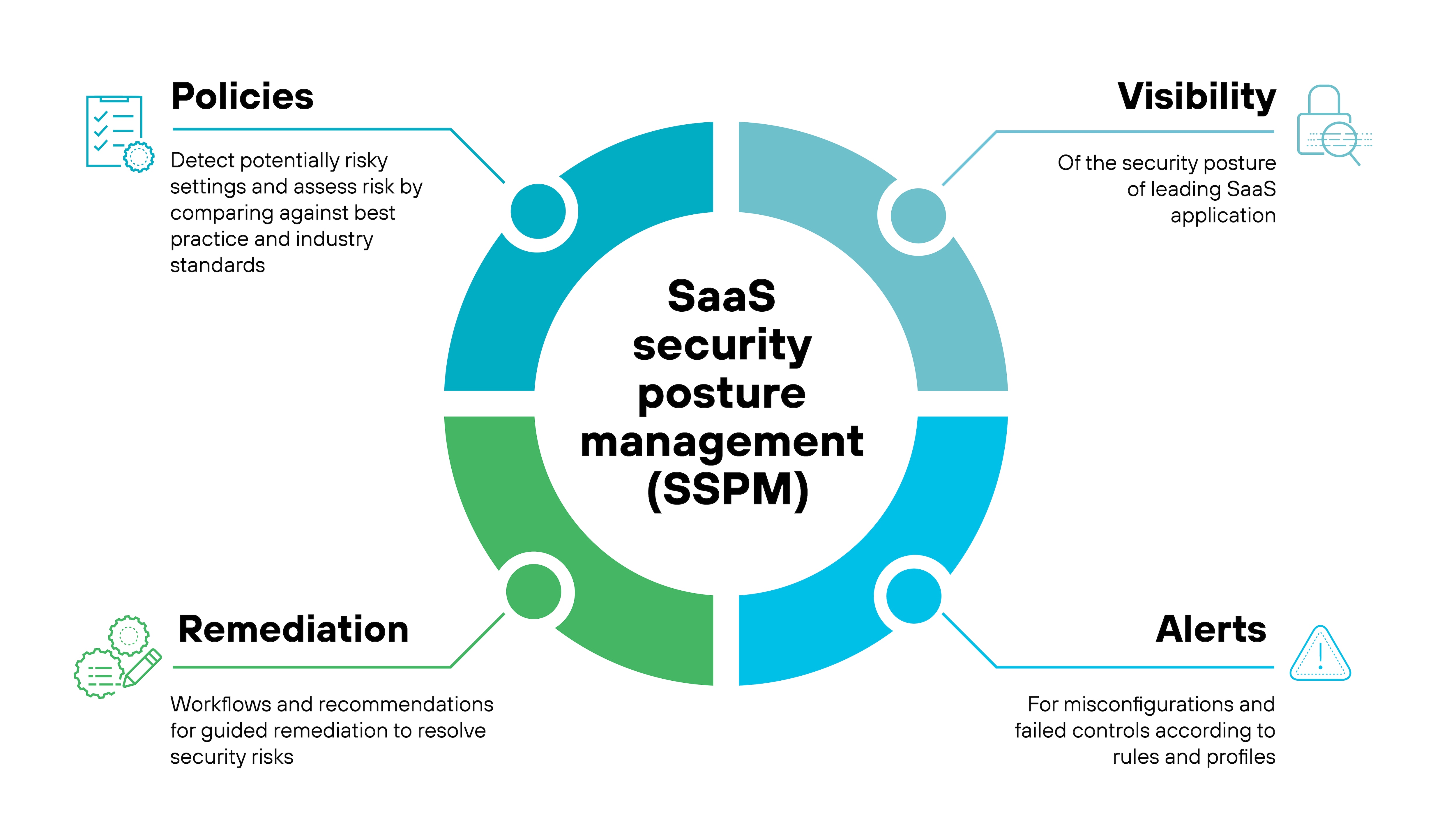
Improving an organization’s SaaS security posture begins with a meticulous assessment of current security measures, a critical step that Teamwin Global Technologica excels in providing. Our Expert Network Security Assessment involves an in-depth analysis to identify existing security vulnerabilities across your entire SaaS environment. This comprehensive evaluation goes beyond surface-level checks, delving into the intricacies of your SaaS applications and infrastructure to pinpoint weaknesses that could lead to potential security risks. Following this identification phase, we engage in strategic planning and rigorous testing of tailored solutions, ensuring that any proposed enhancements are robust and effective. The service culminates in the precise execution of these security measures, followed by a crucial reassessment to verify their efficacy and assure a fortified defense against evolving threats, thereby enhancing your overall data security and controlling SaaS sprawl effectively.
Enhancing Security and Compliance
Enhancing both security and compliance is paramount in an increasingly complex SaaS landscape, and Teamwin Global Technologica is dedicated to empowering clients through sophisticated IT security solutions. We leverage advanced security technologies to safeguard your enterprise data and intellectual property against the myriad of SaaS security risks. Our offerings include cutting-edge cybersecurity and threat detection solutions, bolstered by comprehensive managed security services designed to proactively address potential security breaches. Furthermore, our expertise in cloud security and regulatory assurance directly addresses critical compliance needs, ensuring that your SaaS stack adheres to necessary standards and mitigates compliance risks. We also provide real-time Dark Web monitoring, offering an additional layer of vigilance to protect against emerging threats and maintaining a robust security posture for all SaaS applications used within your organization.
Building a Comprehensive SaaS Stack
Building a comprehensive SaaS stack that is both efficient and secure requires strategic foresight and a deep understanding of an organization’s unique operational demands, allowing for the effective management of SaaS applications. This endeavor extends beyond merely adopting SaaS tools; it involves orchestrating a cohesive SaaS ecosystem where each SaaS application complements the others while adhering to stringent security policies. A well-constructed SaaS stack minimizes redundant SaaS apps, thereby reducing the overall attack surface and mitigating SaaS security risks. It necessitates implementing a centralized SaaS management platform to gain full visibility and control over all SaaS usage, preventing the proliferation of shadow IT and ensuring consistent data security across the board. The goal is to create a resilient SaaS environment that supports business objectives without compromising on security or compliance, utilizing best practices to control SaaS sprawl from the outset.

Causes saas sprawl: What drives the increase in SaaS subscriptions and multiple SaaS applications?
SaaS sprawl is driven by the rapid adoption of SaaS, growth of SaaS within teams, and ease of implementing SaaS tools without centralized approval. Departments and individual users sign up for different SaaS vendors and various SaaS applications to solve immediate needs, creating an expanding SaaS portfolio and increase in SaaS subscriptions. Other causes include lack of visibility into existing SaaS, shadow IT or saas sprawl and shadow, decentralized purchasing, and failure to optimize your SaaS environment during onboarding or when replacing different SaaS tools.
Saas security risks: What are the primary security concerns and vulnerabilities in SaaS environments?
Primary security concerns include unauthorized access to SaaS accounts, misconfigured permissions, insecure integrations between multiple SaaS applications, and vulnerabilities in SaaS vendor implementations. The risk of security breaches rises when access to SaaS is unmanaged, when security protocols and security standards are inconsistent, or when security audits and monitoring aren’t performed. Compliance with security and data protection standards can also be compromised, increasing security and compliance risks across the saas ecosystem effectively.
Managing saas sprawl: How can organizations implement SaaS sprawl management to reduce security and compliance risks?
Effective saas sprawl management starts with inventorying existing SaaS, mapping the saas portfolio, and classifying applications by risk and sensitivity. Implement central governance, standardized security protocols, single sign-on and least-privilege access, regular security audits, and vendor risk assessments. Consolidate redundant subscriptions, negotiate with saas vendors, and enforce procurement workflows to control new adoption of SaaS. These steps reduce vulnerabilities in SaaS, improve compliance with security, and help you optimize your SaaS investments.
Best practices to avoid saas: What are the best practices to avoid SaaS sprawl and its security issues?
Best practices to avoid saas sprawl include establishing clear policies for the use of SaaS applications, centralizing procurement, maintaining a living inventory of different SaaS tools, and enforcing security controls such as multi-factor authentication and encryption. Train employees on security concerns and shadow IT, perform periodic security audits, and apply consistent security standards across the SaaS ecosystem. Regularly review and rationalize saas subscriptions to remove redundant services and implement lifecycle management to keep the saas system secure and cost-effective.
Security and compliance risks: What is the impact of SaaS sprawl on compliance and overall security posture?
SaaS sprawl increases complexity and the risk of non-compliance by scattering data across multiple platforms and vendors, making it harder to enforce security standards and demonstrate compliance with regulations. The impact of SaaS includes fragmented logging, inconsistent security protocols, and gaps in incident response. To mitigate these security and compliance risks, organizations should centralize monitoring, require vendor security attestations, run regular security audits, and integrate compliance checks into the adoption of SaaS to protect sensitive data and reduce the chance of security breaches.