AI Security Compliance: What CISOs Must Prepare For
AI Cybersecurity & Compliance CISO in 2026: What CISOs Must Prepare for?
As the digital landscape rapidly evolves, the role of the CISO is being profoundly reshaped by the transformative power of Artificial Intelligence, necessitating a focus on risk reduction and best practices. In 2026, CISOs will navigate an intricate web of AI-driven threats and opportunities, demanding a sophisticated understanding of both AI security and AI compliance to safeguard their organizations effectively. This article delves into the critical actions CISOs must undertake to thrive in this new era, including implementing best practices for AI governance.
Understanding AI-Driven Cybersecurity

What is AI Cybersecurity?
AI cybersecurity leverages machine learning and advanced analytical techniques to detect, prevent, and respond to cyber threats with unparalleled speed and accuracy. Teamwin Global Technologica, for instance, offers enterprise AI-driven next-generation firewalls that are integral to a modern security posture. The company’s primary purpose is to safeguard enterprise data and intellectual property, providing advanced security technologies that move beyond traditional rule-based systems to offer predictive and adaptive protection against evolving cyber risks. This adoption of AI allows for a more proactive and resilient defense strategy.
The Role of CISOs in AI Security
CISOs are senior leaders responsible for defining and implementing the overall IT security strategy, managing complex IT environments, and ensuring regulatory compliance. Their primary concerns include protecting sensitive data and intellectual property, and mitigating advanced persistent threats. CISOs need scalable, reliable, and cutting-edge security technologies to protect vast amounts of sensitive data and manage AI risk effectively. Finding trusted partners for advanced IT solutions is crucial for navigating the challenges of integrating diverse security technologies and ensuring compliance across various departments in an AI-driven landscape.
Key AI-Driven Security Technologies
The adoption of AI-driven security technologies is transforming the cybersecurity landscape, offering enhanced protection against sophisticated cyberattacks. Teamwin Global Technologica provides advanced security technologies such as AI-driven next-generation firewalls like FortiGate, Sophos, and Checkpoint, alongside robust endpoint security solutions such as Sentinel One and Crowd strike. These AI tools are augmented by privileged access management (PAM), endpoint protection management (EPM), real-time Dark Web monitoring, and state-of-the-art enterprise CCTV and biometric systems, all contributing to a comprehensive and resilient security posture designed to secure AI applications and infrastructure.
Compliance and Governance in 2026

Importance of AI Governance
The rapid adoption of AI across business operations necessitates robust AI governance frameworks to manage AI risk and ensure regulatory compliance. For CISOs and Compliance Officers, keeping AI systems compliant with regulations such as ISO 27001, GDPR, and the upcoming EU AI Act is a significant concern. Effective AI governance ensures that AI initiatives align with ethical guidelines, legal requirements, and organizational policies, thereby protecting sensitive data and intellectual property from emerging AI-specific threats. Teamwin Global Technologica’s expertise in cloud security and regulatory assurance directly addresses these critical compliance needs.
Frameworks for AI Compliance
To effectively govern AI and manage AI risk, organizations must adopt comprehensive frameworks for AI compliance that emphasize transparency and accountability. Compliance Officers and Risk Managers increasingly focus on regulatory frameworks such as PCI-DSS, HIPAA, and the NIST AI Risk Management Framework (NIST AI RMF). These frameworks provide structured approaches to conducting audits, mitigating risks, and ensuring the ethical and responsible use of AI. Teamwin Global Technologica’s expertise in cloud security and regulatory assurance is instrumental in helping enterprises align their AI use with these critical standards, fortifying their overall security and compliance posture.
Governance Challenges for CISOs
CISOs face a complex array of governance challenges in the era of AI, particularly in managing AI risk and ensuring compliance across various departments. Protecting vast amounts of sensitive data from sophisticated cyberattacks, including AI-specific threats like data poisoning and prompt injection, requires continuous monitoring and a zero-trust approach. Integrating diverse security technologies, managing shadow AI, and addressing third-party AI risks within the supply chain further complicate the CISO’s role. These challenges underscore the need for a robust AI governance strategy and strong partnerships to safeguard enterprise resilience against emerging AI threats.
Preparing for AI Risks

Identifying AI Threats
As CISOs navigate the evolving landscape of 2026, identifying AI threats is paramount to maintaining robust cybersecurity. Teamwin Global Technologica specializes in advanced cybersecurity and threat detection, offering a proactive approach to anticipate and mitigate cyber risks associated with adversary tactics in the AI landscape. Through vigilant monitoring and swift response strategies, security leaders can effectively counter AI-specific threats like data poisoning and prompt injection that target AI models. Our real-time Dark Web monitoring ensures that new AI threats are detected promptly, safeguarding enterprise data and intellectual property from sophisticated AI-driven attacks.
Risk Assessment Strategies for AI
Effective risk assessment strategies are critical for managing AI risk and ensuring AI compliance. Teamwin Global Technologica provides expert network security assessments, thoroughly analyzing and identifying security vulnerabilities within AI systems. This includes planning, testing, and the execution and reassessment of security measures to evaluate a client’s network security posture comprehensively. For every CISO, a robust framework that incorporates the NIST AI Risk Management Framework (NIST AI RMF) is essential for identifying pain points and recommending appropriate solutions to govern AI use and prepare for AI-driven challenges.
Incident Response for AI-Driven Security
In the face of an AI incident, a swift and well-coordinated incident response is crucial for minimizing damage and ensuring resilience. Teamwin Global Technologica offers managed support services that emphasize proactive threat management, including swift response strategies tailored for AI-driven security environments and addressing potential adversary tactics. An IT security manager or security analyst focuses intensely on threat detection and incident response, leveraging AI tools to automate and accelerate the process. This comprehensive approach helps organizations prepare for AI-driven attacks, ensuring that every AI system is protected against sophisticated cyber threats.
The Role of Third-Party and Supply Chain Management

Understanding Third-Party AI Risks
The rapid adoption of AI across business operations brings significant third-party AI risks that Compliance Officers and Risk Managers must address. As CISOs, it is crucial to understand that vulnerabilities in a third-party’s AI system can directly impact an enterprise’s overall security posture. These risks include potential data breaches, compliance failures with frameworks like the EU AI Act, and the introduction of shadow AI through external vendors. Effectively managing these third-party risks requires a comprehensive AI governance framework and continuous monitoring of AI usage within the supply chain.
Secure AI in Supply Chain Operations
Securing AI in supply chain operations is a critical mandate for every CISO in 2026. The integration of AI platforms and AI application programming interfaces (APIs) across the supply chain introduces new AI threats and vulnerabilities, from compromised training data to AI runtime issues. A zero-trust approach, coupled with robust information security protocols, is essential to ensure that every AI agent and program within the supply chain adheres to stringent security and compliance standards. CISOs need to establish clear policies and conduct regular audits to protect sensitive data and maintain enterprise resilience.
Compliance Audits with Third-Party Vendors
Compliance audits with third-party vendors are indispensable for managing AI risk and ensuring adherence to regulatory frameworks. Compliance Officers and Risk Managers often face significant challenges in audit preparation, especially when dealing with complex AI systems. These audits must verify that third-party AI models and AI data handling practices align with regulations such as GDPR, ISO 27001, and the NIST AI RMF. By conducting thorough and regular audits, CISOs can proactively identify and mitigate AI-specific vulnerabilities, ensuring that the entire supply chain operates within a secure AI and compliant framework.
Implementing AI Tools for Cybersecurity
Choosing the Right AI Tools
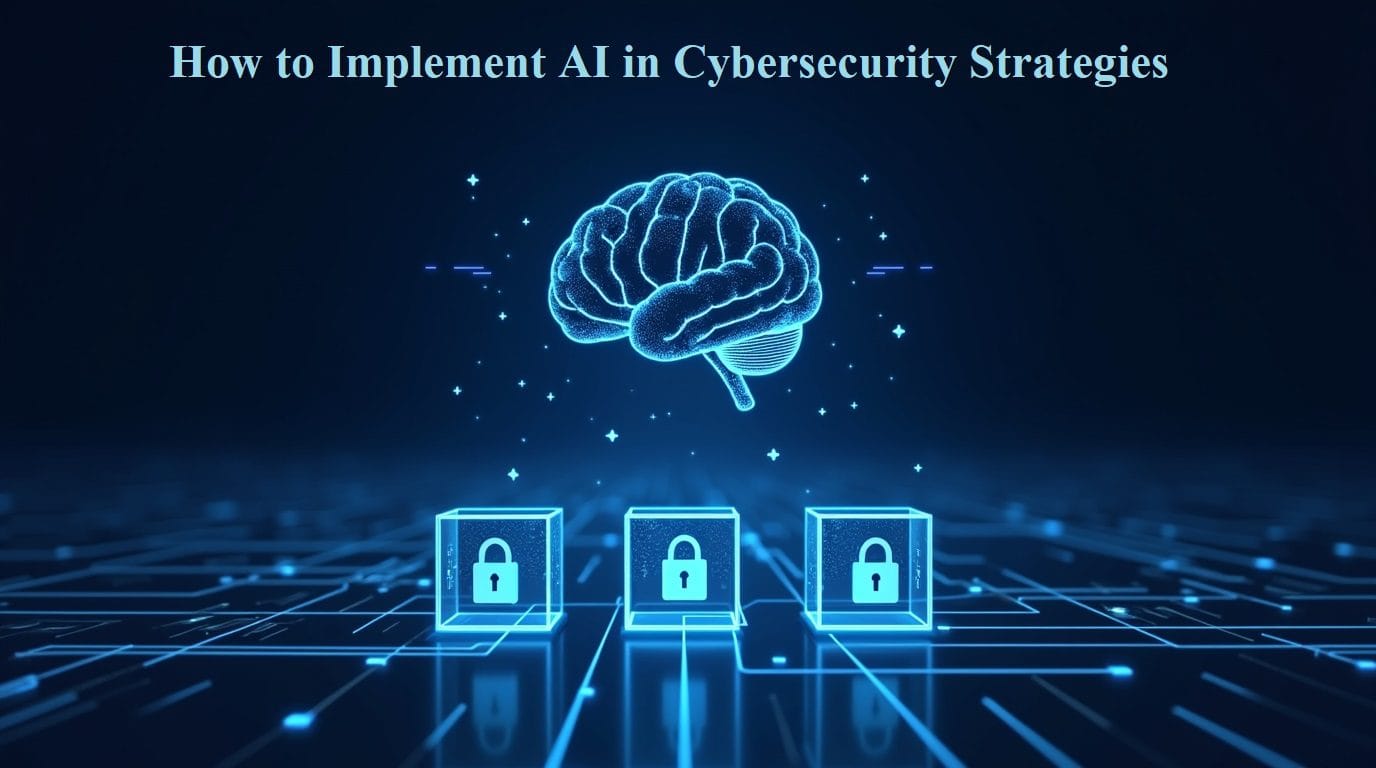
In 2026, the strategic selection of AI tools is paramount for CISOs aiming to enhance their cybersecurity posture. Teamwin Global Technologica educates clients on choosing scalable, reliable, and cutting-edge security technologies that align with their specific enterprise needs. Every CISO faces the challenge of sifting through numerous AI-driven solutions, making it critical to identify AI tools that not only offer advanced threat detection and incident response capabilities but also seamlessly integrate into existing security operations to manage AI risk effectively. This careful selection process ensures that AI adoption genuinely strengthens, rather than complicates, the security landscape.
Integrating AI into Existing Security Operations
Integrating AI into existing security operations presents a significant challenge for CISOs, particularly when dealing with diverse security technologies and the complexities of generative AI. The goal is to create a unified and resilient security framework where AI-driven security tools complement traditional measures. This process involves ensuring that new AI platforms and AI application programming interfaces (APIs) work harmoniously with legacy systems, preventing potential vulnerabilities and maintaining consistent information security standards. By strategically integrating AI tools, security teams can automate routine tasks, allowing security analysts to focus on complex AI threats and enhance overall incident response capabilities, thereby improving enterprise resilience.
Training and Adoption of AI Tools
The successful adoption of AI tools within an organization hinges on comprehensive training and continuous learning for security teams, particularly in understanding the implications of large language models. Teamwin Global Technologica prides itself on highly trained and motivated teams who stay updated on the latest IT and ITES technologies, ensuring they can effectively implement and manage AI-driven security solutions. For CISOs, fostering a culture of continuous learning ensures that personnel are proficient in leveraging AI to identify AI threats, manage AI risk, and ensure AI compliance while understanding emerging AI use cases. This proactive approach to training and adoption is crucial for maximizing the benefits of AI in cybersecurity and maintaining a robust defense against evolving cyber threats in 2026.
Future Trends for CISOs in AI Cybersecurity
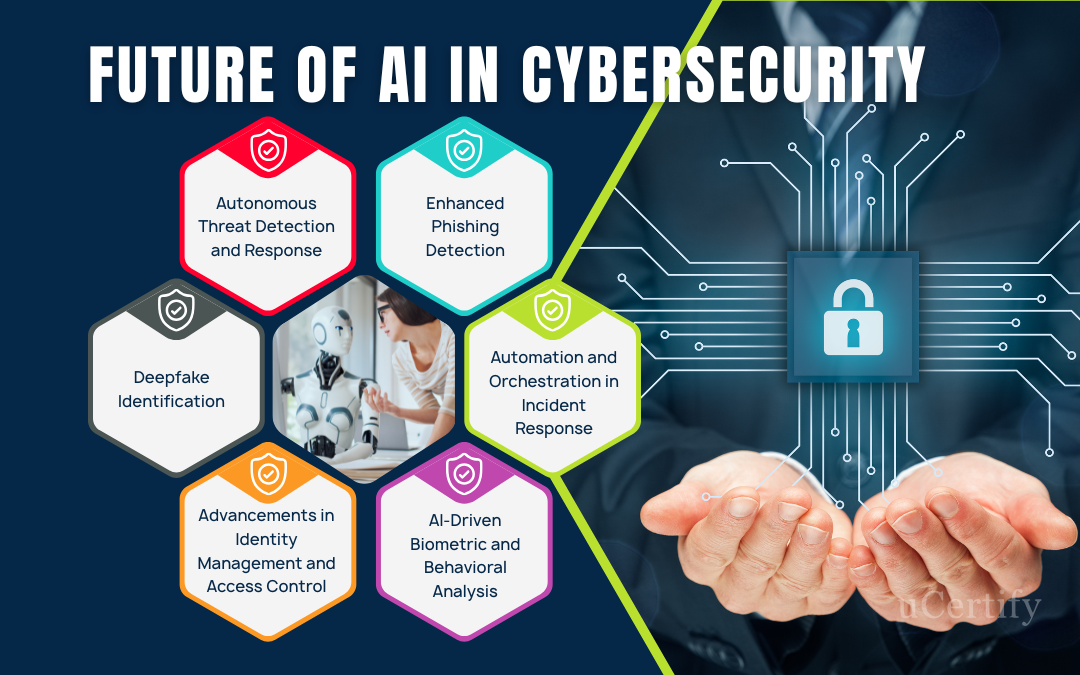
The Increasing Importance of Shadow AI
The rise of shadow AI, where employees independently deploy AI tools without official oversight, poses significant security risks that CISOs need to know. poses a significant and growing concern for CISOs in 2026. This unchecked AI usage can introduce new AI threats, create unmanaged AI risk, and lead to serious AI compliance issues, potentially exposing sensitive data and intellectual property. For every CISO, understanding and addressing shadow AI is crucial, necessitating robust AI governance frameworks and continuous monitoring to ensure that all AI initiatives, sanctioned or not, adhere to stringent information security policies and regulatory requirements like the EU AI Act, thereby protecting enterprise resilience.
Predictions for AI Security in 2026
By 2026, CISOs need to know how to effectively govern AI and manage AI risk in order to maintain compliance and security. AI security will have transformed dramatically, with advanced machine learning becoming indispensable for threat detection and incident response. CISOs must prepare for AI-driven phishing attacks and sophisticated prompt injection techniques targeting AI models, requiring a zero-trust approach across all AI systems. The NIST AI Risk Management Framework (NIST AI RMF) will become a cornerstone for managing AI risk, guiding organizations in establishing secure AI environments. Furthermore, the EU AI Act will significantly influence global AI compliance standards, making it imperative for CISOs to align their AI governance strategies with these emerging regulations to protect their enterprise.
Continuous Learning and Adaptation for CISOs
Continuous learning and adaptation are non-negotiable for CISOs navigating the rapidly evolving landscape of AI cybersecurity in 2026, especially in light of the security risks posed by generative AI. Teamwin Global Technologica’s highly trained and motivated teams consistently stay updated on the latest technologies, providing a model for what every CISO must embrace, including transparency in AI usage. This commitment ensures that security leaders can effectively govern AI, anticipate new AI threats, and develop agile incident response strategies. By continuously investing in knowledge and skill enhancement, CISOs can proactively manage AI risk, ensure AI compliance, and strengthen their enterprise’s overall resilience against sophisticated AI-driven attacks, making continuous learning a strategic imperative.

What ciso must prepare for ai adoption and transforming cybersecurity?
CISOs must evolve their strategy to address ai adoption across the enterprise by updating the compliance program, revising data governance, and integrating zero trust principles. This ciso’s guide includes conducting ai risk assessments, mapping ai integrations to existing workflows, and prioritizing security talent to manage ai-powered systems as ai is transforming business processes.
How can cisos need to govern ai usage and address ai compliance challenges?
CISOs need policies and controls to govern AI usage that align with regulatory requirements and internal compliance challenges, particularly in light of the security risks associated with emerging AI technologies. They must ensure documentation for ai programs, implement data governance for training data, and establish approval workflows to address ai-related legal and ethical issues while maintaining an auditable compliance program.
What must cisos must ask and do to manage ai risk assessments and security challenges?
CISOs must ask about model provenance, data lineage, and drift detection when conducting ai risk assessments. They should classify ai systems by risk, require model explain ability where needed, and deploy monitoring to detect ai incidents. This approach helps address security challenges and ensures teams can respond quickly to AI-powered threats, enhancing risk reduction strategies.
How should cisos prepare incident response for an ai incident when using ai to automate workflows?
When using ai to automate workflows, cisos must develop playbooks for ai incidents that include containment, root-cause analysis, rollback of ai integrations, and communication plans. The incident response should incorporate forensic capabilities for ai models and datasets and align with the broader cyber incident and zero trust response framework.
What practical steps must cisos take to implement ai programs while ensuring compliance and transforming cybersecurity?
Practical steps include inventorying all ai systems, performing ai risk assessments, embedding privacy and data governance into development lifecycles, and retraining security talent to manage ai-powered tools. CISOs must ensure vendor due diligence, continuous monitoring across ai deployments, and a compliance program that can adapt as many ai capabilities evolve and new regulations emerge.