
Anthropic’s Claude Oceanus-v1-p Opens to Red Team Testing, but Distribution is Compromised
The launch of a next-generation AI model is always a significant event for the tech and cybersecurity communities. Such innovations promise advancements, but they also introduce new avenues for vulnerability and exploitation. This is precisely the scenario unfolding with Anthropic’s latest model, Claude Oceanus-v1-p. Before its formal red team testing could even commence, its distribution was already compromised, raising serious concerns about AI model security and access control.
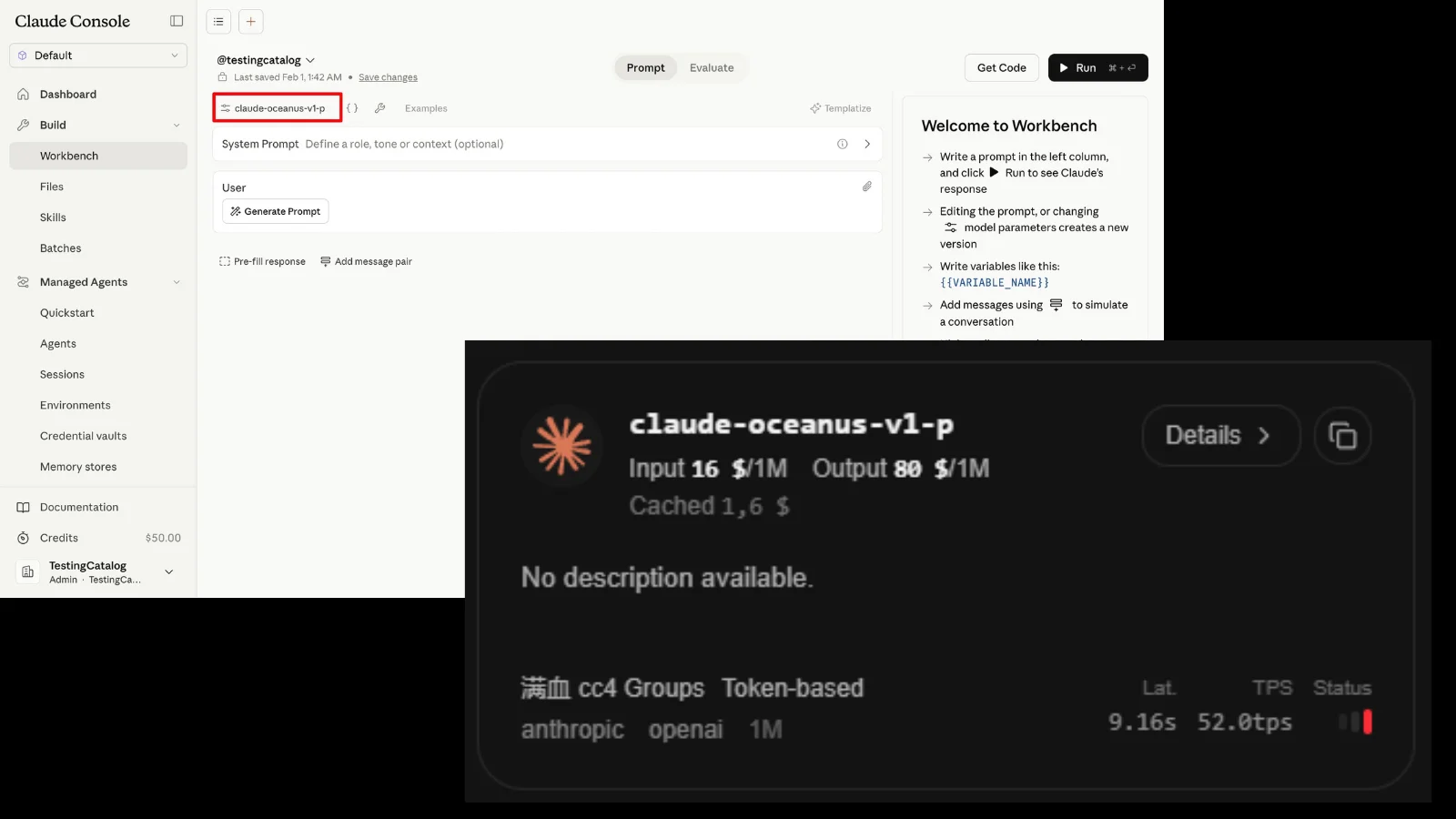
On June 3, 2026, references to claude-oceanus-v1-p began circulating among researchers. These references surfaced unexpectedly within Anthropic’s Claude Console, and more disturbingly, through unauthorized API proxy services. This premature exposure immediately triggered speculation and alarm, highlighting a critical lapse in the secure management of pre-release AI assets.
Unauthorized Access and Early Distribution
The core issue revolves around how an unreleased, highly sensitive AI model became accessible outside of its intended secure channels. The appearance of claude-oceanus-v1-p identifiers within the Claude Console, a platform presumably dedicated to authorized users and developers, suggests an internal leak or an external breach of Anthropic’s systems. Even more concerning is its surfacing via unauthorized API proxy services, which are typically used to circumvent official access restrictions or to provide unofficial gateways to models. This indicates that entities beyond Anthropic’s control were already interacting with or attempting to interact with the model.
This early distribution, before red teamers could even begin their evaluations, severely undermines the integrity of the security assessment process. It implies potential API security vulnerabilities or inadequate access controls that allowed the model’s presence and possibly its functionality to be exposed.
Implications for AI Model Security
The compromise of Claude Oceanus-v1-p’s distribution carries several significant implications for AI model security:
- Premature Exposure of Capabilities: Unauthorized access means adversaries could gain insights into the model’s capabilities, limitations, and potential attack surfaces before developers have fully hardened it.
- Risk of Adversarial Attacks: Early exposure provides a head start for malicious actors to develop adversarial attacks, such as prompt injection or data poisoning, designed to manipulate or degrade the model’s performance.
- Intellectual Property Theft: An AI model, especially one as advanced as Oceanus-v1-p is anticipated to be, represents significant intellectual property. Unauthorized access could lead to the theft of proprietary algorithms or training data.
- Reputational Damage: For an organization like Anthropic, known for its focus on AI safety, this incident could lead to significant reputational damage, eroding trust among users and researchers.
- Supply Chain Security Concerns: If the compromise originated from a third-party tool or service integrated into Anthropic’s development pipeline, it points to broader supply chain security vulnerabilities.
The Role of Red Team Testing
Red team testing is a crucial component of robust cybersecurity, especially for advanced AI systems. Its purpose is to simulate real-world attacks, identify weaknesses, and provide actionable intelligence to strengthen defenses before a product reaches widespread deployment. The planned red team evaluation for claude-oceanus-v1-p was intended to uncover potential biases, safety failures, and adversarial vulnerabilities. However, with the model’s distribution already compromised, the effectiveness of this testing is severely hampered. Attackers potentially had a head start in understanding the model, meaning traditional red team engagements might find themselves playing catch-up.
Remediation Actions and Best Practices
Addressing the current compromise and preventing future incidents requires immediate and comprehensive action:
- Immediate Investigation:
- Conduct a thorough forensic analysis to identify the root cause of the leak: internal error, insider threat, or external breach.
- Trace all instances of unauthorized access and distribution of claude-oceanus-v1-p.
- Enhanced Access Controls:
- Implement stricter zero-trust access policies for all pre-release models and sensitive development environments.
- Regularly audit and revoke unnecessary access permissions.
- API Security Enhancements:
- Strengthen API authentication and authorization mechanisms.
- Implement rate limiting, IP whitelisting, and robust logging for all API endpoints.
- Specifically address vulnerabilities like CVE-2023-XXXXX (placeholder for potential specific API-related CVEs) or similar API access flaws that could lead to unauthorized proxy services.
- Secure Development Lifecycle (SDL):
- Integrate security checks at every stage of the AI model development lifecycle, from training data ingestion to model deployment.
- Perform regular security audits and penetration testing on development platforms and infrastructure.
- Supply Chain Security:
- Vet all third-party tools, libraries, and services used in the AI development pipeline for security vulnerabilities.
- Ensure secure configurations for all integrated services.
- Developer Education:
- Provide continuous training to developers on secure coding practices and the importance of safeguarding sensitive AI assets.
Tools for AI Security and Remediation
Effective management and remediation of AI security incidents require a robust toolkit:
| Tool Name | Purpose | Link |
|---|---|---|
| OpenFAIR | Risk analysis framework for quantifying cybersecurity risk. | https://www.fairinstitute.org/ |
| OWASP Top 10 for LLMs | Guidance on critical security risks for Large Language Models. | https://owasp.org/www-project-top-10-for-llms/ |
| TruffleHog | Scans repositories for leaked credentials and sensitive data. | https://trufflesecurity.com/trufflehog/ |
| Palantir AIP Security Suite | Comprehensive platform for securing AI models and data pipelines. | https://www.palantir.com/platforms/aip/security-privacy/ |
| Cloud Security Posture Management (CSPM) Tools | Identifies misconfigurations and compliance issues in cloud environments. | (Eg., Wiz, Orca Security, Lacework – consult vendor sites) |
Conclusion
The premature exposure of Anthropic’s Claude Oceanus-v1-p serves as a stark reminder of the persistent cybersecurity challenges facing AI development. Even with an emphasis on safety and rigorous testing protocols like red teaming, the path from conception to secure deployment is fraught with potential pitfalls. This incident underscores the critical need for ironclad access controls, robust API security, and a proactive approach to AI supply chain security. As AI models become increasingly powerful and integrated into critical systems, ensuring their security from the earliest stages of development is not merely an option, but an imperative. Organizations must prioritize comprehensive security measures to protect these valuable assets and maintain trust in the future of artificial intelligence.




