SaaS‑to‑SaaS Integrations: Privileged Access Blind Spots
SaaS-to-SaaS Integrations Privileged Access Blind Spot: Addressing SaaS Security
In the rapidly expanding digital landscape, the proliferation of SaaS applications has become a cornerstone of modern business operations, yet it simultaneously introduces complex security challenges, particularly concerning privileged access within SaaS-to-SaaS integrations. This article delves into the inherent blind spots within these interconnected SaaS ecosystems, aiming to illuminate the often-overlooked security risks and provide actionable strategies for comprehensive SaaS security. As organizations increasingly rely on a diverse stack of cloud platforms, understanding and mitigating these security gaps is paramount to safeguarding sensitive data and maintaining a robust security posture.
Understanding the SaaS Ecosystem

What is SaaS?
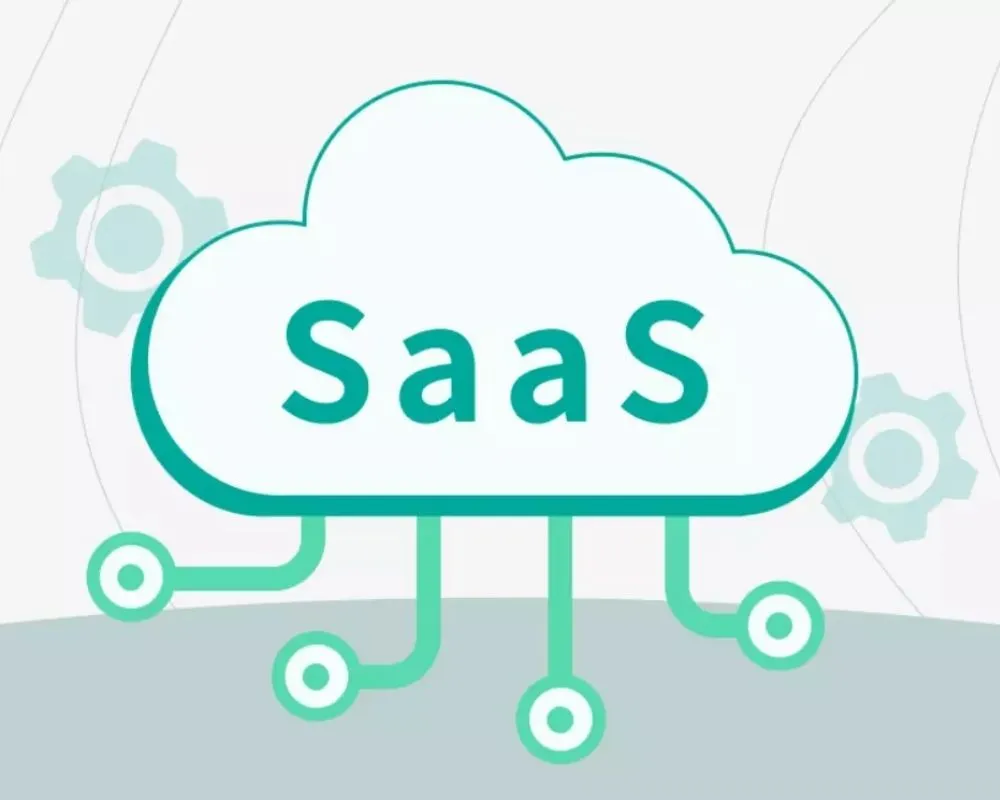
Software as a Service (SaaS) represents a fundamental shift in software delivery, offering applications over the internet as a service rather than requiring traditional on-premise installation and maintenance. This model allows businesses to access sophisticated tools and functionalities on demand, leveraging the cloud infrastructure of SaaS providers without the burden of managing underlying hardware or software. The inherent scalability and accessibility of SaaS applications have driven their widespread adoption, forming the backbone of modern cloud security strategies and enabling seamless operational workflows across diverse industries.
Components of the SaaS Environment
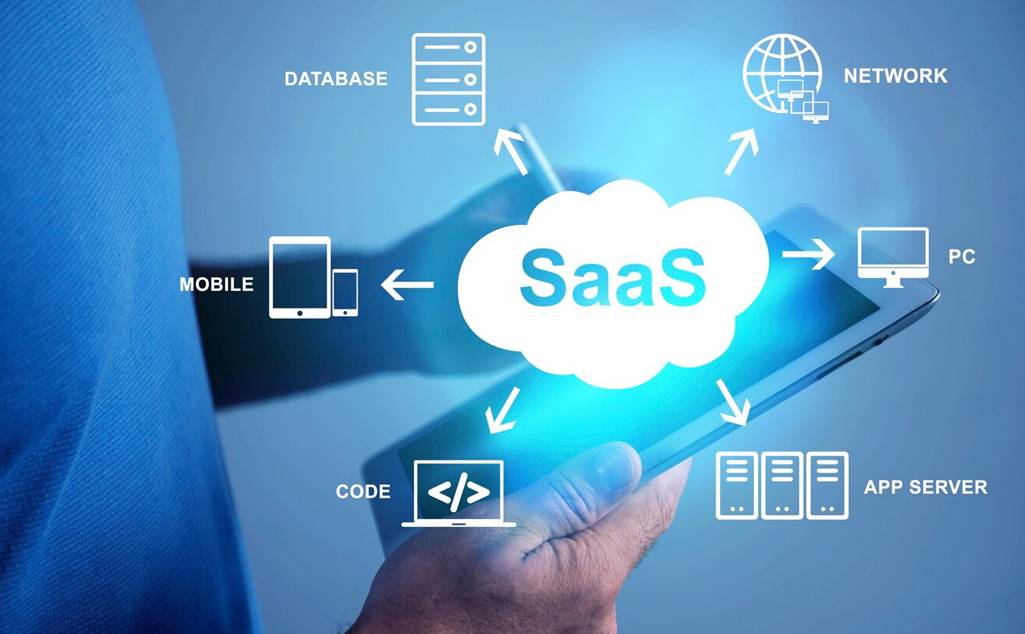
A typical SaaS environment is a complex tapestry woven from various interconnected components, including the core SaaS application itself, underlying cloud infrastructure, databases housing sensitive data, and crucially, APIs facilitating integrations. These elements, combined with user access management and non-human identities, form a dynamic ecosystem where security controls must be meticulously implemented to prevent unauthorized access and data breaches. Effective security monitoring and identity and access management are critical to maintaining the integrity of this intricate and evolving SaaS platform and enhancing your SaaS security posture management.
Role of SaaS Applications in Business
SaaS applications are integral to virtually every aspect of modern business, empowering organizations to enhance productivity, streamline operations, and drive innovation. From CRM and ERP systems to communication and collaboration tools, these applications facilitate critical business functions, often handling vast amounts of sensitive data on cloud services. The reliance on these third-party SaaS vendors necessitates a proactive approach to SaaS security, ensuring that each SaaS integration adheres to rigorous security best practices to protect against potential security threats and maintain robust data governance.
SaaS Security Risks and Blind Spots

Identifying Security Risks in SaaS
Chief Information Security Officers (CISOs) grapple with the formidable task of managing complex security landscapes and mitigating sophisticated cyber attacks. They frequently encounter challenges such as data breaches, insider threats, and the intricate demands of regulatory compliance is essential for maintaining data security.. Network Administrators and Engineers, in their operational focus, contend with network downtime, the imperative of security patching, and performance impediments like latency and bottlenecks. Concurrently, IT Security Managers and Security Analysts are engrossed in threat detection and incident response, often navigating issues of false positives and alert fatigue amidst evolving attack vectors.
| Role | Key Challenges in enterprise security |
|---|---|
| Compliance Officers and Risk Managers play a vital role in overseeing the SaaS security posture management and ensuring adherence to security policies. | Maintaining systemic adherence to regulatory frameworks and preparing for rigorous audits, particularly concerning third-party risks in the modern SaaS ecosystem. |
The Blind Spot in Privileged Access
The inherent blind spot in privileged access within SaaS-to-SaaS integrations often stems from insufficient visibility and inadequate access control over non-human identities and their associated permissions. While endpoint privilege tools, such as AdminbyRequest, are expertly designed to safeguard individual endpoints by meticulously managing local administrator privileges, their scope may not extend to the intricate web of inter-application access and token-based authentication in cloud environments. This results in a critical security gap where sensitive data can be inadvertently exposed through over-privileged API keys or OAuth tokens. integration credentials and automation tools., thereby increasing the risk of unauthorized access and potential breaches within the broader SaaS ecosystem, highlighting the need for effective risk management.
Impact of Third-Party Integrations on Security
Third-party SaaS integrations significantly expand the attack surface of an organization, introducing a cascade of potential security risks that demand meticulous risk management. Each integration with a third-party SaaS provider represents a new entry point into the internal SaaS ecosystem, where the security posture of the integrated application directly impacts the overall security of your sensitive data and workflows. A single vulnerability in a partner’s SaaS app or an inadequately secured API can create a direct conduit for unauthorized access, leading to data breaches or compromise of other interconnected SaaS applications within your modern cloud environment, underscoring the critical need for robust SaaS security best practices.
Best Practices for Secure SaaS-to-SaaS Integrations
Establishing Strong Access Management
Establishing strong access management is foundational for securing SaaS-to-SaaS integrations, particularly concerning privileged access and compliance with security policies. Teamwin Global Technologica offers comprehensive privileged access management (PAM) solutions and endpoint protection management (EPM) services, which are critical in regaining control over user privileges and protecting sensitive data from potential breaches by meticulously managing local administrative access. Our expertise extends to providing robust access security, ensuring that all identities, whether human or non-human, operate with the principle of least privilege. This strategic approach to identity and access management significantly mitigates security risks within your entire SaaS ecosystem.
Implementing Security Monitoring Strategies
Implementing comprehensive security monitoring strategies is paramount for proactive threat management within the modern SaaS ecosystem and securing SaaS adoption. Teamwin Global Technologica offers 24/7 support and monitoring, ensuring immediate assistance and reliable solutions. Our services are designed to enhance your overall security program and minimize blind spots in your SaaS security posture.
| Service | Description of our comprehensive approach to enterprise security. |
| Real-time Dark Web Monitoring & Proactive Threat Management | Anticipates and mitigates cyber risks through vigilant observation and swift response strategies implemented by the security team. |
| Expert Network Security Assessment | Includes in-depth analysis and identification of security vulnerabilities, along with the planning and testing of tailored solutions. |
Auditing SaaS Security Posture Regularly
Regularly auditing your SaaS security posture is an indispensable practice for maintaining robust cloud security and ensuring continuous compliance with security policies. Teamwin Global Technologica provides an Expert Network Security Assessment service, meticulously designed to analyze and identify potential security breaches. security vulnerabilities, followed by the planning, testing, and execution of effective security measures.
This comprehensive approach is particularly vital for Compliance Officers, who grapple with keeping systems compliant and preparing for rigorous audits. Our expertise in cloud security and regulatory assurance ensures that your organization not only meets but exceeds compliance needs, fortifying your SaaS environment against potential security threats and preventing unauthorized access.
Here’s a breakdown of how our service addresses key aspects:
| Target Audience | Compliance Officers |
| Primary Challenge Addressed | Keeping systems compliant and preparing for rigorous audits |
| Key Benefits | Exceeding compliance needs, fortifying SaaS environment, preventing unauthorized access |
Developing a Robust SaaS Security Strategy
Integrating AI Agents for Enhanced Security
Integrating AI agents into your SaaS security strategy marks a significant advancement in fortifying your defenses against evolving threats and enhancing your SaaS security posture management. TeamWin stands at the forefront of this innovation, offering enterprise AI-driven next-generation firewalls that provide a robust layer of protection for your entire SaaS ecosystem and managing security incidents effectively, enhancing our data security measures. These intelligent systems leverage advanced algorithms to detect and neutralize sophisticated cyber attacks, thereby enhancing visibility and control over your SaaS data and security incidents. By harnessing the power of AI, organizations can proactively identify security risks, streamline incident response, and ensure comprehensive protection for sensitive data within their modern SaaS environment.
Creating a Workflow for Security Best Practices
Establishing a well-defined workflow for security best practices is crucial for maintaining a resilient SaaS security posture and ensuring compliance with security policies and third-party app integrations. Teamwin Global Technologica provides comprehensive managed IT services, including IT network and security management, alongside ongoing support to assure a secure and safe infrastructure. Our proactive threat management anticipates and mitigates cyber risks through vigilant monitoring and swift response strategies. Furthermore, our Cloud Security & Regulatory Assurance services safeguard cloud environments and ensure compliance with necessary standards, helping clients choose the right solutions and providing managed support services for organizational success and robust governance across the entire SaaS stack.
Addressing Modern SaaS Security Challenges
Addressing modern SaaS security challenges demands a multi-faceted approach, encompassing advanced security technologies, unwavering support, and collaboration with the security team. Teamwin Global Technologica specializes in empowering clients through a comprehensive suite of IT security solutions, primarily safeguarding enterprise data and intellectual property. We offer advanced security technologies such as firewalls and robust data security solutions. endpoint security, and privileged access management (PAM), alongside endpoint protection management (EPM) and both passive and active networking capabilities. Our custom-tailored approach ensures the best fit and value, providing 24/7 support to deliver high-quality, reliable, and efficient solutions trusted by organizations across various critical sectors, including remediation services.
Trends in SaaS Security
Emerging Threats in the SaaS Ecosystem
The SaaS ecosystem is continually targeted by emerging threats, presenting persistent security challenges that demand advanced cybersecurity and threat detection. TeamWin offers a comprehensive suite of end-to-end IT infrastructure and security services designed to protect businesses from evolving digital threats, including sophisticated phishing attacks, ransomware, and zero-day vulnerabilities. Our proactive threat management services anticipate and mitigate cyber risks through vigilant monitoring and swift response strategies, directly assisting IT Security Managers and Security Analysts in overcoming the challenges posed by evolving attack vectors, ensuring a resilient SaaS security posture against the modern cloud environment’s dynamic risks.
Future of SaaS Security Platforms
The future of SaaS security platforms is being shaped by cutting-edge technologies and an emphasis on robust cybersecurity measures. Teamwin Global Technologica offers state-of-the-art security technologies, including enterprise AI-driven next-generation firewalls that provide unparalleled protection against sophisticated cyber threats. We leverage cutting-edge Endpoint Privilege tools and secure networking solutions to enhance data access and prevent unauthorized access within your SaaS environment. Our highly trained and motivated teams stay updated on the latest technologies, ensuring that our clients benefit from advanced cybersecurity and secure networking solutions that effectively address security gaps and fortify their overall SaaS security posture.
Adapting to Evolving Security Needs
Adapting to the evolving security needs of the modern SaaS landscape requires a proactive, custom-tailored approach to ensure the best fit and value for money for our clients. Teamwin Global Technologica prioritizes educating clients to help them choose the right management tool solutions, providing managed support services for their organization’s success and growth. Our highly trained and motivated teams stay updated on the latest technologies, ensuring responsive and helpful customer support through multiple channels, including SaaS management platforms. This commitment ensures that your SaaS security program remains agile, capable of addressing new security challenges, mitigating potential breaches, and maintaining robust security controls across your entire SaaS stack.

How do saas integration and saas security best practices reduce privileged access blind spots?
Implementing saas integration with consistent identity and access management across cloud applications closes privileged access blind spots by centralizing admin access controls and token lifecycles. Best practices for SaaS include enforcing least-privilege roles, using short-lived tokens, monitoring service account credentials, and integrating security tools and automation. cloud access security brokers to detect anomalous cloud access. These steps improve your overall security posture and make it easier to manage privileged access across multiple saas platforms.
What should a saas platform owner do to secure critical saas and manage privileged access?
A saas platform owner should inventory critical saas, minimize the number of users with admin access, enable multi-factor authentication, rotate and constrain tokens, and deploy saas security monitoring to detect privilege escalations. Use role-based access controls and conditional access policies, and adopt cloud access security brokers and other security features to enforce data loss prevention and access governance. Together these measures create a strong SaaS security posture and reduce blind spots associated with shadow SaaS.
Which saas security trends matter most for eliminating privileged access blind spots in cloud applications?
Current saas security trends emphasize continuous saas security monitoring, zero trust models, automated token and credential management, and broader use of security tools that correlate activity across cloud applications. Trends also include stronger analytics to spot risky admin access patterns, managed detection for critical saas, and deeper integration of cloud access controls to strengthen overall security posture and reduce implicit trust relationships.
How can teams use security tools and cloud access security brokers to improve securing saas environments?
Security tools and cloud access security brokers act as enforcement and visibility layers between users and cloud applications, enabling organizations to inspect traffic, apply access policies, and log privileged actions. Deploying these solutions helps detect misuse of admin access, stale tokens, and lateral movement among saas platforms, while providing alerting for conditions that indicate blind spots. Combining these tools with strong saas security best practices leads to a more resilient and auditable environment.
What are the best practices for saas to maintain a strong security posture and prevent privileged access blind spots?
Best practices for saas include maintaining an accurate inventory of cloud applications and critical saas, enforcing least-privilege and just-in-time admin access, regularly auditing service tokens and credentials, implementing saas security monitoring, and integrating security features such as MFA, conditional access, and automated revocation. Regular risk assessments and cross-platform policies help manage privileged access across environments and ensure a strong security posture over time.