New Bucket Hijacking Attack Allows Hackers to Reroute Cloud Data Streams to External Storage
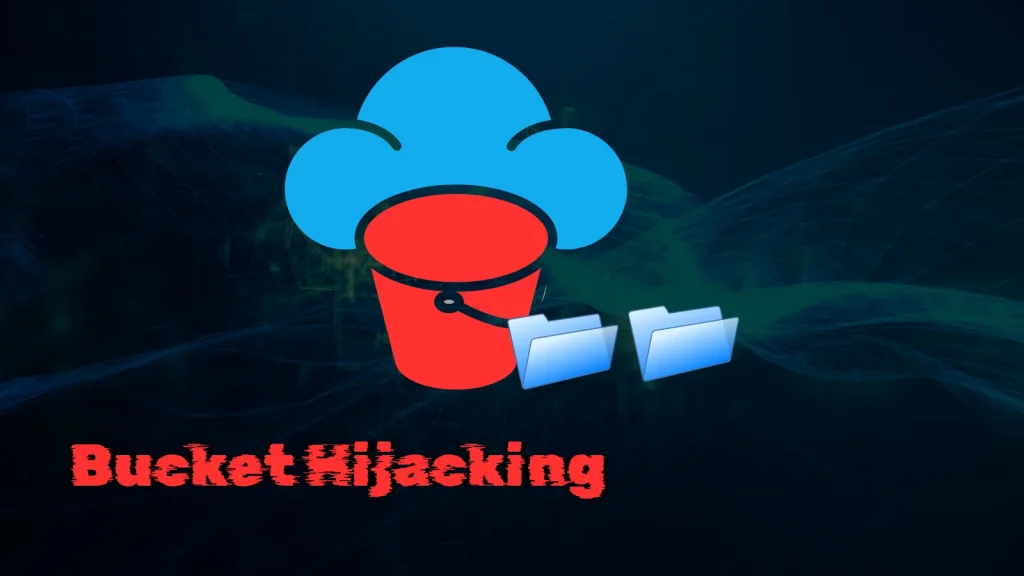
Cloud environments offer unparalleled flexibility and scalability, but this power comes with inherent complexities, particularly concerning data security. A newly identified critical attack technique, dubbed “bucket hijacking,” has emerged as a significant threat, capable of silently rerouting an organization’s crucial cloud data streams to external, attacker-controlled storage. This sophisticated method strikes at the heart of cloud data integrity and auditability, with confirmed impacts across major cloud providers including Google Cloud, Amazon Web Services (AWS), and Microsoft Azure.
Understanding the Bucket Hijacking Attack
Bucket hijacking is not merely a data exfiltration method; it’s a stealthy redirection of active cloud data streams. Imagine your organization’s essential audit logs, critical telemetry data, and other vital operational information, which are continuously being generated and streamed, suddenly being diverted without a trace to a bucket owned by a malicious actor. This attack bypasses traditional data at rest security measures by manipulating the very pathways data travels.
The core mechanism involves subverting the configuration of cloud services or resources responsible for directing data streams. Attackers exploit misconfigurations or vulnerabilities to alter the destination of these streams, pointing them to a new, unauthorized storage bucket. This grants them immediate access to sensitive, real-time data, often before the legitimate owners even realize a breach has occurred.
Impact on Major Cloud Platforms: AWS, Azure, and Google Cloud
The widespread applicability of bucket hijacking across leading cloud providers – AWS, Azure, and Google Cloud – underscores its severity. While the underlying implementation details may vary slightly between platforms, the fundamental concept remains consistent: redirecting data streams.
- AWS (Amazon Web Services): In AWS, this could involve compromising IAM roles or policies that govern S3 bucket permissions, CloudWatch log stream destinations, or Kinesis data firehose configurations. An attacker could, for example, modify a Kinesis Firehose delivery stream to send data to an S3 bucket they control instead of the legitimate one.
- Microsoft Azure: On Azure, similar attacks could target Storage Account configurations, Azure Event Hubs, Azure Monitor log destinations, or Data Factory pipelines. Control over service principal permissions or Azure RBAC misconfigurations could allow an attacker to redefine where diagnostic logs or application data are routed.
- Google Cloud: Google Cloud’s logging and storage services, like Cloud Storage buckets, Cloud Logging, and Pub/Sub, are also susceptible. A compromised service account or misconfigured IAM policy could enable an attacker to change the sink for Cloud Logging exports or redirect Pub/Sub messages to an external topic or bucket.
The silent nature of these redirections is particularly insidious. Organizations might continue to see data being “processed” in their environment, unaware that a shadow stream is simultaneously feeding sensitive information directly to an adversary. This makes detection extremely challenging without proactive monitoring and stringent configuration management.
Data at Risk: More Than Just Files
While the term “bucket” often conjures images of static file storage, bucket hijacking targets dynamic data streams. This includes, but is not limited to:
- Audit Logs and Security Event Data: Critical for incident response, compliance, and threat detection. Their redirection blinds security teams to ongoing malicious activity.
- Application Telemetry and Metrics: Providing insights into application behavior, performance, and user activity.
- Customer Data: Any real-time streams containing personally identifiable information (PII), financial data, or health information.
- Configuration Data: Sensitive settings, API keys, and other operational secrets streamed during environment updates or deployments.
The loss of these real-time data streams can have catastrophic consequences, from regulatory penalties and reputational damage to enabling further, more profound breaches.
Remediation Actions and Best Practices
Addressing the threat of bucket hijacking requires a multi-layered security strategy focusing on prevention, detection, and continuous monitoring. There is no specific CVE for this broad attack technique, as it leverages existing cloud service features and misconfigurations.
Prevention:
- Principle of Least Privilege (PoLP): Rigorously apply PoLP to all IAM roles, service accounts, and users. Ensure entities only have the specific permissions required to perform their intended functions and no more.
- Strict Access Controls and Policies: Implement and regularly review strong bucket policies, IAM policies, and Azure RBAC assignments, focusing on write and redirect permissions for logging and storage services.
- Configuration Management: Use Infrastructure as Code (IaC) tools (e.g., Terraform, CloudFormation, Bicep) to define and manage cloud resource configurations. Store these configurations in version-controlled repositories and implement peer review processes.
- Secure Defaults: Always configure cloud resources with the most secure defaults. Avoid publicly accessible buckets unless explicitly required and secured.
- Service Endpoint Security: Where possible, use private endpoints or service control perimeters to restrict network access to cloud storage and logging services.
Detection and Monitoring:
- Continuous Configuration Auditing: Employ cloud security posture management (CSPM) tools to continuously monitor your cloud environment for misconfigurations related to storage, logging, and data stream destinations.
- Log Destination Monitoring: Create alarms and alerts for any changes to log export destinations, diagnostic settings, or data stream configurations. Monitor for API calls that change data routing rules.
- Anomaly Detection: Implement anomaly detection for data egress and unusual data flow patterns from your cloud environment. Look for sudden increases in external data transfers or changes in data volume to known destinations.
- Threat Intelligence Integration: Stay updated on new cloud attack vectors and potential indicators of compromise (IoCs) related to data redirection techniques.
Response:
- Incident Response Plan: Have a well-defined incident response plan specifically tailored for cloud security incidents, including steps for identifying and reverting unauthorized configuration changes.
- Isolation and Containment: In the event of an attack, immediately isolate compromised resources, revert unauthorized changes, and rotate credentials associated with the breach.
The Cloud Shared Responsibility Model Reaffirmed
The bucket hijacking technique serves as a stark reminder of the shared responsibility model in cloud security. While cloud providers secure the underlying infrastructure (security of the cloud), customers are responsible for securing their data, configurations, and access within their cloud environments (security in the cloud).
Vigilant attention to IAM, network configurations, and continuous monitoring of data flows are no longer optional extras but fundamental pillars of cloud defense. Organizations must assume an attacker will eventually gain some level of access and design their security posture to detect and mitigate the impact of such sophisticated attacks.
Conclusion
Bucket hijacking represents a significant evolution in cloud data exfiltration techniques, shifting from direct data theft to the more insidious silent redirection of live data streams. Its ability to impact all major cloud providers and target critical data like audit logs makes it a prime concern for any organization leveraging cloud services. By prioritizing strict access controls, robust configuration management, and relentless monitoring, businesses can significantly reduce their exposure to this stealthy and dangerous threat, ensuring the integrity and confidentiality of their cloud-borne information.