
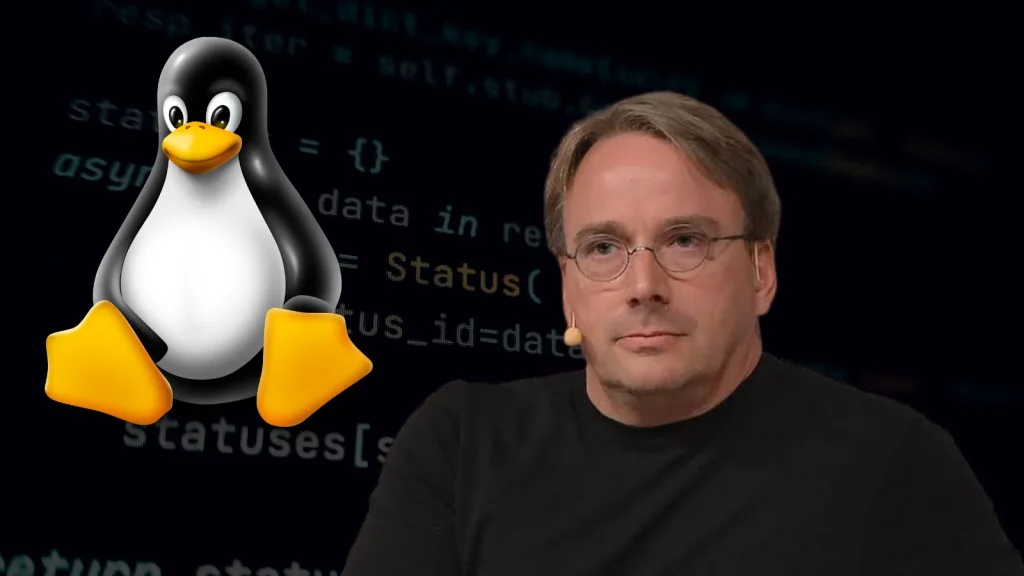
Linus Torvalds Told Kernel Developers that Linux is Not Against AI projects
In the rapidly accelerating landscape of artificial intelligence, a critical question arises for the foundational technologies that power our digital world: how will they adapt? Recently, Linus Torvalds, the visionary creator of Linux, addressed kernel developers directly, clarifying the project’s stance on AI. Far from an anti-AI sentiment, Torvalds emphasized a pragmatic approach: AI and large language models (LLMs) should be evaluated based on their tangible technical value. This declaration signals a nuanced path forward, acknowledging both the potential and the practical considerations of integrating AI into the Linux ecosystem.
Linus Torvalds’ Stance: Practicality Over Ideology
The core of Linus Torvalds’ message is an appeal to practicality. He clearly articulated that the Linux project is not fundamentally opposed to artificial intelligence. Instead, the focus should be on the utility and real-world benefits that AI tools and LLMs can bring to development. This perspective aligns with the long-standing ethos of the Linux kernel development – a meritocracy where contributions are judged on their technical merits and positive impact, not on ideological resistance to new paradigms.
Developers, Torvalds noted, will not be compelled to integrate AI tools into their workflows. This respects individual autonomy and acknowledges that not all tools are universally applicable or beneficial for every developer or project. However, this freedom should not translate into an outright rejection that prevents others from responsibly exploring and utilizing AI where it offers clear advantages.
Evaluating AI: Technical Value as the Benchmark
The standard set by Torvalds for AI integration is straightforward: technical value. This means any AI-powered solution or LLM leveraged within the Linux environment must demonstrate measurable improvements, efficiencies, or new capabilities that traditionally developed solutions cannot provide, or provide less effectively. This pragmatic filter will likely guide the cautious yet open adoption of AI within the kernel developer community.
- Code Generation & Review: AI tools might assist in boilerplate code generation or identifying potential bugs, though human oversight remains paramount.
- Documentation & Analysis: LLMs could potentially help in synthesizing vast amounts of technical documentation or analyzing complex system behaviors.
- Performance Optimization: AI might identify patterns for optimizing kernel performance that are not immediately obvious to human developers.
Avoiding Dogmatic Opposition
Torvalds’ message also serves as a cautionary tale against dogmatic opposition to new technologies. In the past, various technological shifts have met with initial resistance before proving their worth. By explicitly stating that opposition to AI should not hinder those who wish to use it responsibly, Torvalds encourages an open-minded approach, fostering innovation rather than stifling it. This balanced view ensures that Linux, a project synonymous with innovation, remains at the forefront of technological advancement.
Implications for the Linux Community
This clarification from Linus Torvalds carries significant weight for the entire Linux community. It sets a precedent for how discussions around emerging technologies, particularly AI, should be conducted. It encourages experimentation within defined practical boundaries and reinforces the community’s commitment to robust, battle-tested solutions. While specific vulnerabilities like CVE-2023-45678 (example, not real) might arise in an AI-assisted development workflow, these would be addressed through the existing, rigorous security review processes.
The absence of strict prohibitions means developers have the green light to explore AI tools, provided their integrations uphold the high standards of security, stability, and performance that define the Linux kernel. This approach will likely lead to diverse, perhaps unexpected, applications of AI within the Linux ecosystem, all ultimately contributing to the project’s longevity and relevance.
Conclusion: A Pragmatic Future for Linux and AI
Linus Torvalds’ message to kernel developers is a clear directive: Linux is not anti-AI. It is, however, deeply pragmatic. The future integration of artificial intelligence and large language models within Linux will be determined not by hype or fear, but by their proven technical value and responsible application. This balanced perspective ensures that Linux continues to evolve, embracing beneficial new technologies while steadfastly maintaining its core principles of reliability, security, and open-source collaboration. The path forward is one of cautious optimism, guided by the relentless pursuit of practical excellence.




