Gunra Ransomware Exploits Fortinet VPN Flaws to Bypass MFA and Steal Enterprise Data
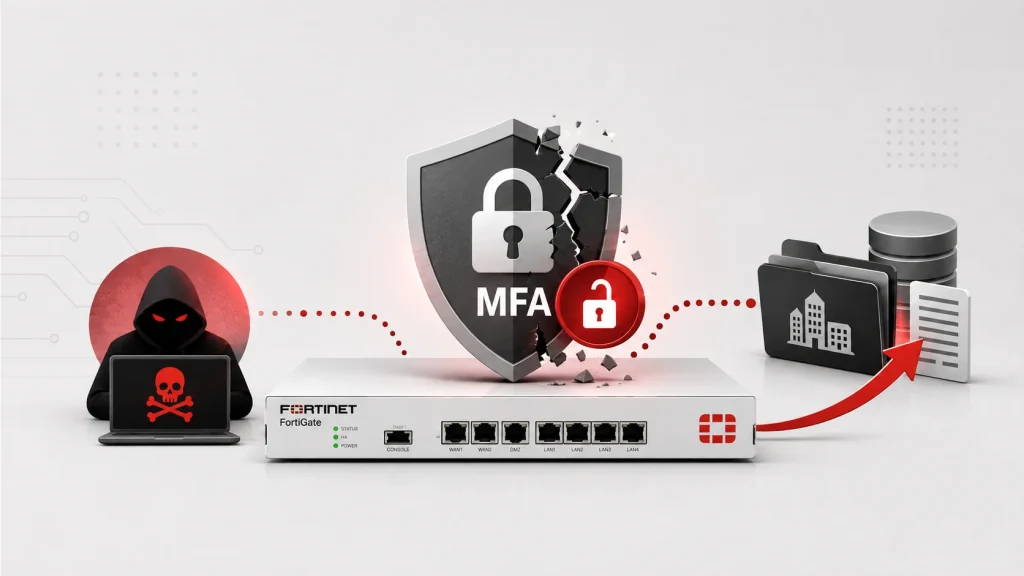
A disturbing trend in the ransomware landscape has emerged, with the Gunra ransomware group actively exploiting critical vulnerabilities within Fortinet VPN solutions. This sophisticated attack vector allows threat actors to bypass multi-factor authentication (MFA) and infiltrate enterprise networks, ultimately leading to sensitive data exfiltration. This significant threat demands immediate attention from organizations utilizing Fortinet products.
The Collaborative Warning: A Unified Front Against Gunra Ransomware
The severity of the Gunra ransomware threat is underscored by a joint cybersecurity advisory issued by a formidable coalition of agencies. The FBI, CISA, the Department of Defense Cyber Crime Center, the NSA, the U.S. Secret Service, and South Korea’s National Police Agency have collectively highlighted the urgency of addressing these vulnerabilities. This collaborative warning emphasizes the widespread impact and coordinated nature of the Gunra group’s operations.
Understanding the Attack Vector: Fortinet VPN Flaws and MFA Bypass
The core of the Gunra ransomware attacks lies in their ability to leverage known vulnerabilities within Fortinet VPNs. While specific CVEs were not explicitly detailed in the provided source, it’s crucial to understand that these often involve flaws that allow for remote code execution or authentication bypass. By exploiting these weaknesses, Gunra operators can gain initial access to a network, circumventing even robust security measures like multi-factor authentication. This direct bypass of MFA is particularly concerning, as MFA is often considered a critical layer of defense against unauthorized access.
Once inside the network, the ransomware group proceeds with data exfiltration. This means they steal valuable and confidential information before deploying the ransomware payload. This double extortion tactic adds significant pressure on victims, as they face not only the disruption of their systems but also the potential public release or sale of their stolen data.
Remediation Actions: Fortifying Your Defenses Against Gunra
Given the severe implications of a Gunra ransomware attack, immediate and proactive remediation is essential for any organization using Fortinet VPNs. The following actions are critical:
- Patch Fortinet VPN Devices Immediately: Ensure all Fortinet VPN products, including FortiGate firewalls and FortiClient, are updated to the latest firmware versions. Fortinet regularly releases security patches for identified vulnerabilities. Organizations must prioritize applying these updates without delay. Regularly check the official Fortinet support site for advisories and patches.
- Implement and Enforce Network Segmentation: Segment your network to limit the lateral movement of threat actors even if they gain initial access. This can significantly reduce the blast radius of a successful breach.
- Strengthen MFA Implementations: While Gunra exploits aim to bypass MFA, it’s still a vital security control. Review your MFA configurations to ensure they are robust and follow best practices. Consider FIDO2-compliant security keys for higher assurance.
- Monitor VPN Logs and Network Traffic: Implement continuous monitoring of your VPN logs for any unusual activity, such as atypical login times, failed login attempts, or connections from unknown locations. Utilize network intrusion detection/prevention systems (IDS/IPS) to detect suspicious traffic patterns indicative of exfiltration or lateral movement.
- Regularly Back Up Data (Offline and Encrypted): Maintain regular, offsite, and encrypted backups of all critical data. Test your backup restoration procedures to ensure data can be recovered efficiently in the event of a ransomware attack.
- Educate Employees on Phishing and Social Engineering: While the primary attack vector here is vulnerability exploitation, phishing can still be used to obtain credentials or facilitate initial access in other scenarios. Regular security awareness training is crucial.
- Review and Update Incident Response Plans: Ensure your incident response plan specifically addresses ransomware attacks, including communication protocols, containment strategies, and recovery procedures.
Detection and Mitigation Tools
Leveraging appropriate tools can significantly aid in detecting and mitigating the threat posed by Gunra ransomware and similar attacks.
| Tool Name | Purpose | Link |
|---|---|---|
| FortiGuard Labs Threat Intelligence | Provides up-to-date threat intelligence, including vulnerability details and attack indicators specific to Fortinet products. | https://www.fortiguard.com/ |
| Vulnerability Scanners (e.g., Nessus, Qualys, OpenVAS) | Identifies known vulnerabilities in network devices, including Fortinet VPNs, allowing for proactive patching. | https://www.tenable.com/products/nessus https://www.qualys.com/ https://www.openvas.org/ |
| SIEM Solutions (e.g., Splunk, ELK Stack, Microsoft Sentinel) | Aggregates and analyzes security logs from various sources, including Fortinet devices, to detect anomalous activity and potential breaches. | https://www.splunk.com/ https://www.elastic.co/elastic-stack https://azure.microsoft.com/en-us/products/microsoft-sentinel |
| Endpoint Detection and Response (EDR) Solutions | Monitors endpoint activity to detect and respond to malicious processes, lateral movement, and data exfiltration attempts. | (Various vendors, e.g., CrowdStrike, SentinelOne) |
Key Takeaways: Protecting Your Enterprise
The Gunra ransomware group’s exploitation of Fortinet VPN vulnerabilities to bypass MFA and exfiltrate data represents a severe and evolving threat. Organizations must prioritize patching all Fortinet VPN devices, strengthening network segmentation, and implementing robust monitoring. A proactive security posture, combined with an effective incident response plan, is paramount to safeguarding enterprise data against these sophisticated and damaging attacks.