French Tax Authority Data Breach Exposes 600,000+ Users’ Personal Tax-Related Data
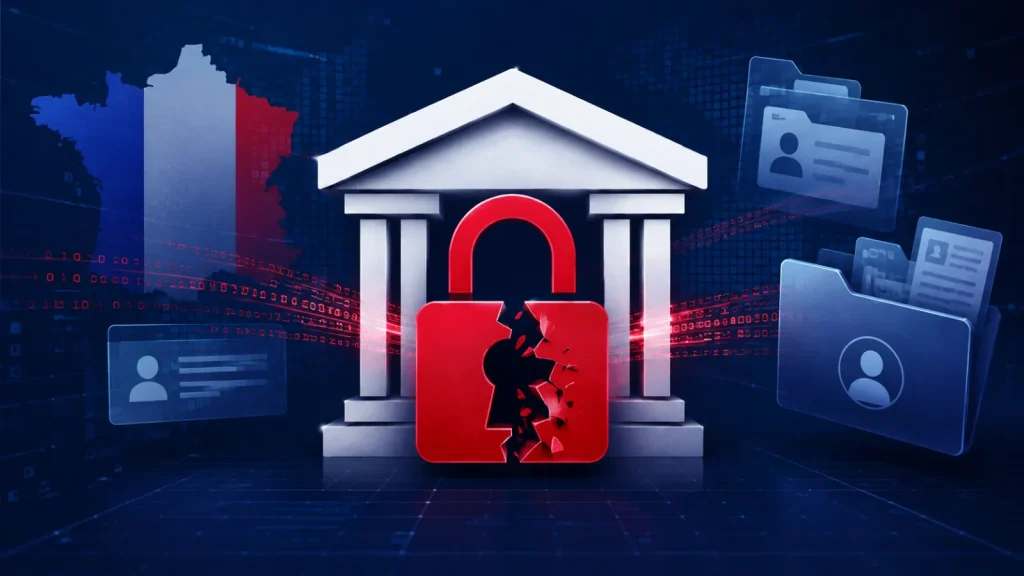
The digital frontier, while offering unparalleled convenience, also presents an ever-present battleground for sensitive data. In a recent and concerning development, France’s Directorate General of Public Finances (DGFiP), the nation’s primary tax authority, has confirmed a significant data breach, impacting over 678,000 individuals and businesses. This incident underscores the persistent and evolving threats to governmental institutions and the critical need for robust cybersecurity measures.
The Breach Unveiled: Unauthorized Access and Compromised Credentials
The French tax authority’s data breach was brought to light following unauthorized access to their internal information systems. Threat actors successfully leveraged stolen or impersonated credentials belonging to both a DGFiP employee and an authorized third party. This dual point of compromise highlights a common attack vector: the exploitation of human vulnerabilities and third-party access points. Such incidents often begin with sophisticated phishing campaigns or brute-force attacks aimed at obtaining legitimate login details, subsequently allowing attackers to move laterally within a network.
The scale of the breach is substantial, affecting a massive portion of the French taxpayer base. The compromised data, by its very nature as tax-related information, is highly sensitive and could include a wide array of personal and financial details, making the affected individuals particularly vulnerable to identity theft, financial fraud, and other malicious activities. The DGFiP disclosed the incident via a press release, fulfilling their obligation to inform the public and affected parties.
Understanding the Attack Vector: Credential Theft and Impersonation
The core of this incident lies in credential theft and impersonation. This technique remains a dominant method for attackers seeking to bypass security controls. Once legitimate credentials are acquired, threat actors can effectively masquerade as authorized users, gaining access to systems and data with minimal detection. The involvement of an authorized third party further complicates the security landscape, as organizations must not only secure their own infrastructure but also rigorously vet and monitor the security practices of their partners and vendors.
- Phishing Attacks: Often, stolen credentials are the result of targeted phishing emails designed to trick employees into revealing their login information.
- Malware Infestation: Keyloggers or information-stealing malware can be deployed on employee workstations to capture credentials.
- Weak Password Practices: Easy-to-guess or reused passwords can be compromised through brute-force attacks or credential stuffing.
- Third-Party Vulnerabilities: A security weakness in a connected third-party system can provide a gateway into the primary organization’s network.
The Implications: Why Tax Data is a Prime Target
Tax-related data is a goldmine for cybercriminals due to its comprehensive nature. It often contains:
- Personal Identifiable Information (PII): Full names, addresses, dates of birth, social security numbers (or their national equivalent), and marital status.
- Financial Information: Income details, bank account numbers, investment information, and credit card data.
- Employment History: Employer details and salary specifics.
With such a rich dataset, attackers can engage in various forms of fraud, including:
- Identity Theft: Opening new credit lines or taking out loans in the victim’s name.
- Tax Fraud: Filing fraudulent tax returns to claim refunds.
- Targeted Scams: Using personal details to craft highly convincing spear-phishing attacks.
- Corporate Espionage: If business tax data was compromised, it could expose sensitive financial strategies or competitive intelligence.
Remediation Actions and Future Prevention
For individuals affected by this breach and for organizations looking to prevent similar incidents, a multi-faceted approach is essential.
For Affected Individuals:
- Monitor Financial Accounts: Regularly check bank statements, credit card activity, and credit reports for any suspicious transactions.
- Change Passwords: Immediately change passwords for all online accounts, especially those related to financial institutions and government services. Utilize strong, unique passwords and enable multi-factor authentication (MFA) wherever possible.
- Be Wary of Phishing: Remain vigilant against unsolicited communications that request personal or financial information. The DGFiP will likely never ask for sensitive data via email or unverified phone calls.
- Consider Identity Protection Services: Enrolling in an identity theft protection service can provide alerts for suspicious activity.
For Organizations (Including Government Bodies):
- Implement Robust Access Controls: Enforce the principle of least privilege, ensuring employees only have access to the information and systems necessary for their roles.
- Strengthen Credential Security:
- Mandate strong, complex passwords and regular password rotations.
- Implement multi-factor authentication (MFA) for all internal and external access points.
- Utilize privileged access management (PAM) solutions to secure and monitor administrative accounts.
- Employee Security Awareness Training: Regularly educate staff on identifying and reporting phishing attempts, social engineering tactics, and the importance of secure password practices.
- Third-Party Risk Management: Conduct thorough security assessments of all third-party vendors and partners who have access to internal systems or sensitive data. Establish clear security clauses in contracts and monitor compliance.
- Continuous Monitoring and Threat Detection: Deploy advanced security information and event management (SIEM) systems and endpoint detection and response (EDR) solutions to proactively detect anomalous activity and potential breaches.
- Incident Response Plan: Develop and regularly test a comprehensive incident response plan to ensure a swift and effective reaction to future security incidents.
- Regular Security Audits and Penetration Testing: Proactively identify vulnerabilities in systems and applications before attackers can exploit them.
Key Takeaways for a Secure Digital Future
The French Tax Authority data breach serves as a potent reminder that no entity, regardless of its size or mandate, is immune to cyber threats. The relentless pursuit of sensitive data by malicious actors necessitates a continuous evolution of cybersecurity defenses. For both individuals and organizations, the emphasis must be on proactive security measures, robust authentication protocols, and a culture of constant vigilance. Protecting personal and financial information requires a collective effort, with technology and human awareness working in concert to safeguard the digital ecosystem.
“`