153 Million Driver’s License Scans Surface on Dark Web as FBI Opens Investigation
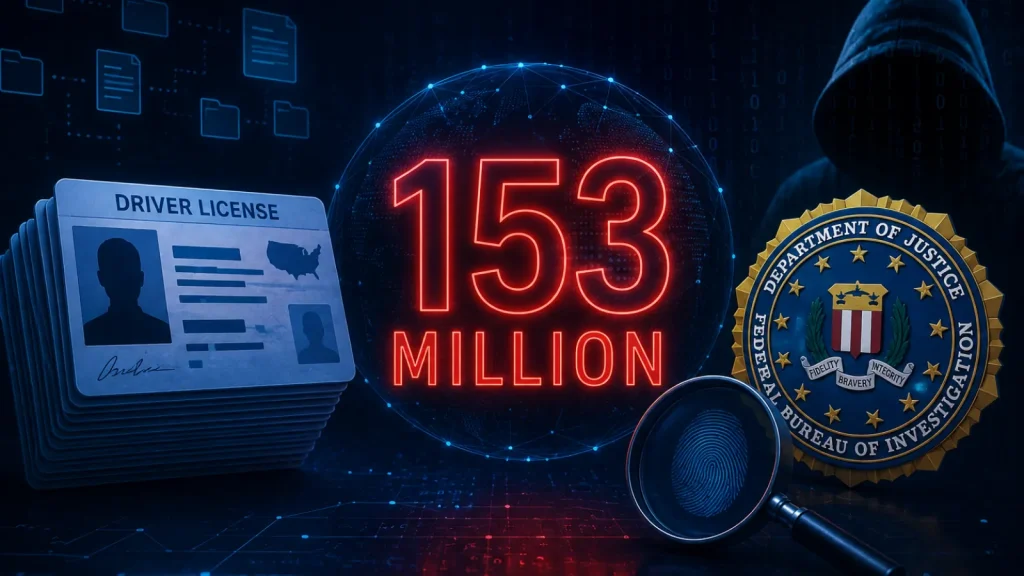
A disturbing revelation has emerged from the dark corners of the internet: over 153 million driver’s license scans, encompassing individuals across the United States and Canada, are reportedly being offered for sale. This significant data exposure, attributed to a dark web identity theft service known as Nexus, has prompted an immediate investigation by the FBI’s New Orleans field office. The suspected origin of this massive data breach points towards IDScan.net, a Louisiana-based identity verification provider.
The Scope of the Driver’s License Data Leak
The sheer volume of compromised driver’s license scans—exceeding 153 million—presents an alarming scenario for individuals and a significant challenge for cybersecurity professionals. Each scan likely contains a wealth of personally identifiable information (PII), including full names, addresses, dates of birth, driver’s license numbers, and potentially even photographs. This granular data, when aggregated and offered on platforms like Nexus, becomes a potent weapon for identity theft, financial fraud, and other malicious activities.
Nexus and the Dark Web Economy
Nexus operates within the dark web, a hidden segment of the internet not indexed by standard search engines. Services on the dark web often facilitate illegal activities, including the trading of stolen data. The offering of such a vast trove of driver’s license scans underscores the persistent and evolving threat landscape where personal information is commoditized and exchanged for illicit gains. This incident highlights the sophisticated infrastructure and interconnectedness of cybercriminal operations.
FBI Investigation and Potential Source: IDScan.net
The FBI’s involvement, specifically the New Orleans field office, signifies the gravity of this data exposure. Federal investigations in such cases typically involve tracing the origins of the data, identifying the responsible parties, and mitigating further damage. The preliminary link to IDScan.net, an identity verification provider, is particularly concerning. Identity verification services handle highly sensitive PII, and any compromise within their systems can have widespread repercussions. While the investigation is ongoing and no definitive conclusions have been reached, the potential involvement of such a provider raises critical questions about data security practices within the identity verification industry.
Implications of Exposed Driver’s License Scans
The exposure of driver’s license scans carries severe implications for affected individuals. This type of data can be used to:
- Identity Theft: Create synthetic identities or impersonate individuals for various fraudulent purposes, such as opening new credit accounts, filing false tax returns, or accessing existing financial accounts.
- Financial Fraud: Gain unauthorized access to bank accounts, apply for loans, or make fraudulent purchases.
- Phishing and Social Engineering: Craft highly convincing phishing emails or social engineering attacks tailored with accurate personal details, increasing the likelihood of victims falling prey.
- Access to Other Accounts: Bypass security questions or multi-factor authentication if the exposed data includes information commonly used for verification.
Remediation Actions for Individuals and Organizations
Given the potential for widespread impact, both individuals and organizations must take proactive steps to mitigate risks associated with this type of data exposure.
For Individuals:
- Monitor Financial Accounts: Regularly check bank statements, credit card statements, and other financial accounts for any suspicious activity.
- Review Credit Reports: Obtain free copies of your credit report from all three major credit bureaus (Equifax, Experian, TransUnion) and scrutinize them for unauthorized accounts or inquiries. Consider placing a credit freeze.
- Enable Multi-Factor Authentication (MFA): Implement MFA wherever possible, especially for critical accounts like banking, email, and social media.
- Be Wary of Phishing Attempts: Exercise extreme caution with unsolicited emails, calls, or messages, particularly those requesting personal information or asking you to click on suspicious links.
- Report Suspicious Activity: If you suspect you are a victim of identity theft, report it to the Federal Trade Commission (FTC) and relevant law enforcement agencies.
For Organizations (Especially those handling PII):
- Conduct Thorough Security Audits: Regularly audit systems and networks for vulnerabilities.
- Implement Robust Access Controls: Limit access to sensitive data on a need-to-know basis and enforce strong authentication mechanisms.
- Encrypt Sensitive Data: Encrypt PII at rest and in transit to protect it from unauthorized access.
- Employee Training: Educate employees on cybersecurity best practices, including phishing awareness and data handling protocols.
- Incident Response Plan: Develop and regularly test a comprehensive incident response plan to effectively address data breaches.
- Vendor Security Assessment: Thoroughly vet and continuously monitor the security practices of third-party vendors who handle sensitive data.
The Continuing Battle Against Data Breaches
This incident serves as a stark reminder of the persistent and evolving threat of data breaches. As our lives become increasingly digital, the imperative to protect personal information grows. For organizations, investing in robust cybersecurity measures and maintaining a proactive security posture is no longer optional but a fundamental requirement. For individuals, vigilance, awareness, and taking personal responsibility for data security are crucial in navigating the complex digital landscape.
The FBI’s investigation into the 153 million driver’s license scans highlights the collaborative effort required to combat cybercrime. As more details emerge, the cybersecurity community will undoubtedly analyze the attack vectors and provide further insights into preventing similar incidents in the future.