
Cybersecurity Due Diligence for Mergers & Acquisitions (M&A)
Cybersecurity Due Diligence for Mergers and Acquisitions
In the rapidly evolving landscape of mergers and acquisitions (M&A), the integration of cybersecurity due diligence has transitioned from a peripheral consideration to an indispensable element. This article delves into the critical role cybersecurity plays in the M&A lifecycle, exploring its definition, importance, and key components to safeguard both acquiring and target companies from escalating cyber risks.
Understanding Due Diligence in Mergers and Acquisitions
Definition of Due Diligence
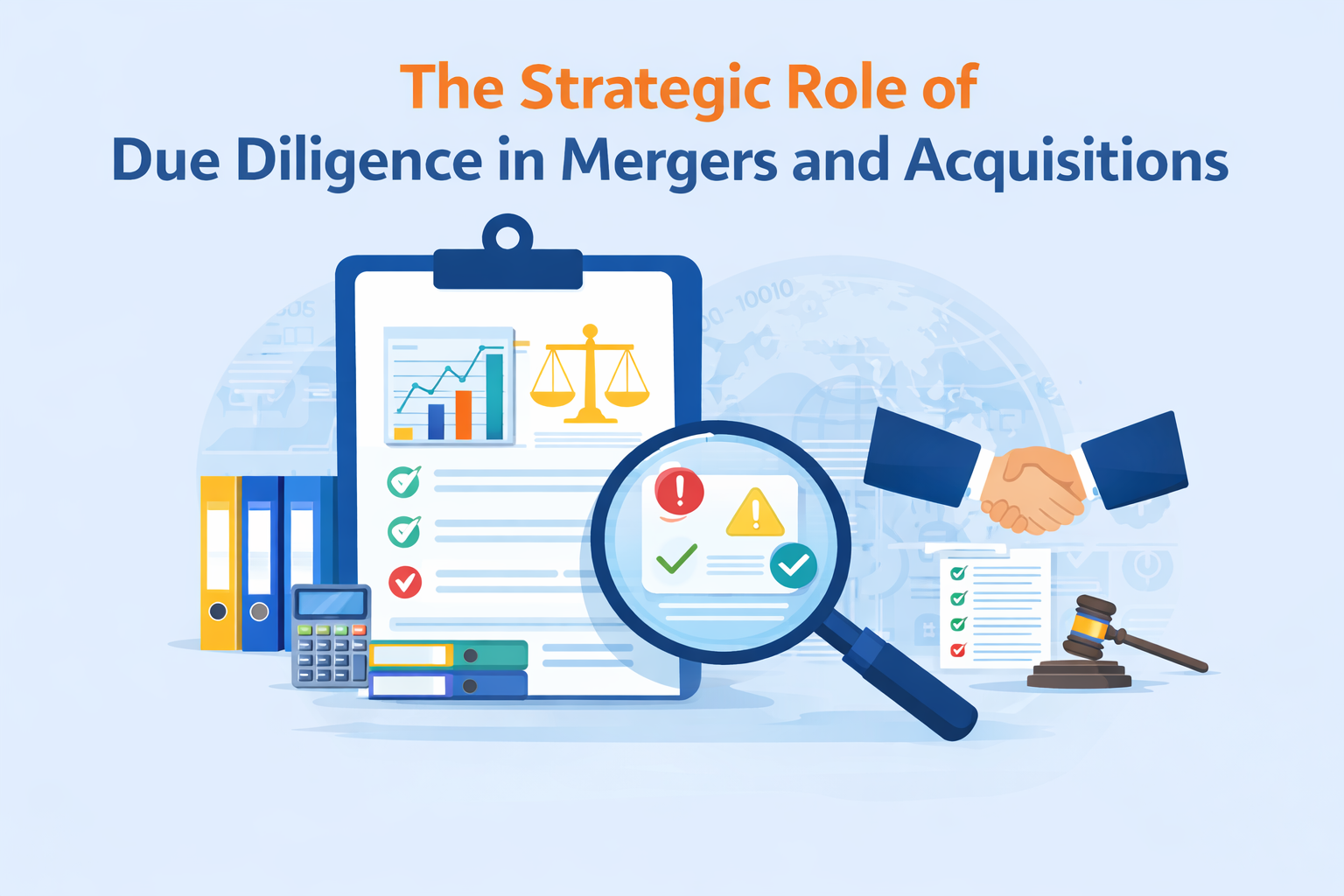
Due diligence, in its essence, represents a comprehensive investigation and audit of a potential investment or acquisition target to confirm all material facts and financial information, as well as to uncover any potential risks or liabilities. This meticulous process is undertaken by prospective buyers to ensure they possess a complete understanding of the business, its operations, financial health, and legal standing before finalizing a merger or acquisition, thereby mitigating unforeseen complications and ensuring an informed decision.
Importance of Due Diligence in Mergers and Acquisitions
The importance of thorough due diligence in mergers and acquisitions cannot be overstated, as it serves as the foundational safeguard against myriad unforeseen challenges and potential risks. This comprehensive process allows acquiring entities to meticulously assess the target company’s operational viability, financial stability, and market positioning, ultimately informing the valuation and strategic alignment of the merger or acquisition. By diligently investigating all facets of the target, stakeholders can proactively identify and mitigate liabilities related to cybersecurity incidents, ensuring smoother integration and protecting their investment.
Key Components of the Due Diligence Process
The traditional due diligence process is multifaceted, encompassing a rigorous examination of various critical areas to provide a holistic understanding of the target company involved in the m&a. This typically includes financial due diligence, which scrutinizes fiscal records and performance; legal due diligence, which assesses contracts, litigation, and regulatory compliance; and operational due diligence, evaluating business processes and efficiencies. Each component plays a vital role in identifying and addressing potential risks, assessing the target’s value, and informing the strategic decisions that underpin a successful merger or acquisition in the m&a context.
Cybersecurity Due Diligence: A Critical Component

Defining Cybersecurity Due Diligence
Cybersecurity due diligence represents a specialized and indispensable facet of the broader due diligence process within mergers and acquisitions, specifically engineered to meticulously assess and mitigate the cybersecurity risks associated with a target company. This comprehensive investigation delves into the target’s entire information security posture, aiming to uncover potential vulnerabilities, evaluate existing security measures, and identify any liabilities that could impact the acquiring entity post-merger or acquisition. It is a proactive measure to safeguard stakeholder interests and maintain data protection during the m&a deal.
Why Focus on Cybersecurity in Mergers
A dedicated focus on cybersecurity in mergers and acquisitions is no longer optional but a critical imperative given the escalating m&a cyber threat landscape. Neglecting a thorough cybersecurity due diligence process can expose the acquiring company to significant cybersecurity risks, including data breaches, intellectual property theft, and regulatory non-compliance, which can severely impact valuation and reputation. By prioritizing cyber due diligence, organizations can proactively identify cybersecurity vulnerabilities and establish a robust cybersecurity strategy, ensuring a more secure and successful integration of the target company.
Consequences of Neglecting Cyber Due Diligence
The consequences of neglecting cyber due diligence can be catastrophic, leading to severe financial repercussions, reputational damage, and operational disruptions for both the acquiring and target companies. A failure to uncover potential risks in the cybersecurity posture of a target can result in exposure to existing data breaches or vulnerabilities that, once integrated, become the liability of the acquiring entity. This oversight can necessitate extensive remediation efforts, incur hefty regulatory fines, and significantly erode stakeholder trust, ultimately undermining the strategic value of the merger or acquisition.
Cyber Risk Assessment in Mergers and Acquisitions
Identifying Cyber Risks
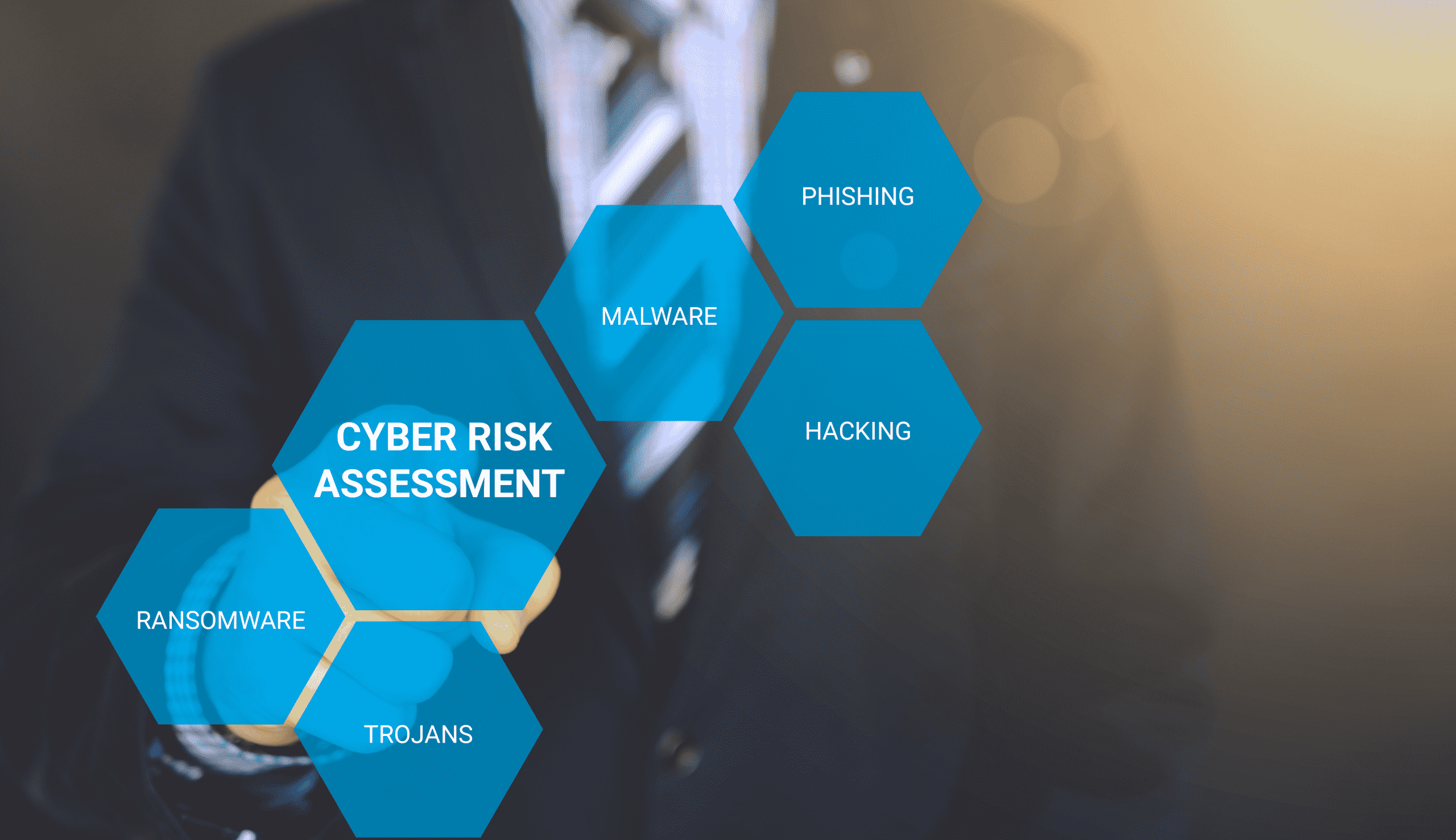
Identifying cyber risks within the context of mergers and acquisitions requires a comprehensive due diligence service that meticulously examines the target company’s entire digital ecosystem to uncover potential vulnerabilities. This process involves scrutinizing the target’s network infrastructure, applications, data storage, and third-party vendor relationships to identify cybersecurity risks such as unpatched systems, weak access controls, or shadow IT. A robust cybersecurity due diligence assessment aims to illuminate the complete attack surface, enabling the acquiring entity to understand and mitigate potential threats effectively.
Evaluating Existing Security Measures
Evaluating existing security measures is a crucial step in the cybersecurity due diligence process, providing insights into the target company’s current defenses against cyber threats. Teamwin Global Technologica offers expert network security assessments that analyze and identify security vulnerabilities in the target company’s cybersecurity, planning and testing solutions, and executing and reassessing security measures. Our comprehensive suite of IT security solutions includes advanced firewalls, robust endpoint security like SentinelOne and Crowdstrike, privileged access management (PAM), and enterprise CCTV/biometric systems. We provide enterprise AI-driven next-generation firewalls, real-time Dark Web monitoring, and managed security services to fortify infrastructure involved in the m&a.
Assessing Potential Data Privacy Issues
Assessing potential data privacy issues is an indispensable component of cybersecurity due diligence, especially given the escalating regulatory landscape and the critical need to safeguard sensitive information. Teamwin Global Technologica’s primary purpose is to safeguard enterprise data and intellectual property, directly addressing the critical concerns of protecting sensitive data and intellectual property for Chief Information Security Officers, who often face problems like data breaches and insider threats. Our expertise in cloud security and regulatory assurance directly addresses compliance needs, ensuring a comprehensive due diligence framework that mitigates data privacy liability for all stakeholders involved in the merger or acquisition.
The Cybersecurity Due Diligence Process
Steps in the Cybersecurity Due Diligence Process
An expert network security assessment, as provided by Teamwin Global Technologica, encompasses a meticulous analysis and identification of the target company’s cybersecurity vulnerabilities. security vulnerabilities within a target company’s infrastructure. This critical phase of the cybersecurity due diligence process involves a thorough examination of the entire attack surface to uncover potential risks. Following the initial assessment, the process extends to the strategic planning and rigorous testing of solutions designed to mitigate identified threats, ensuring a proactive approach to data protection. The ultimate stages involve the precise execution of these security measures and a continuous reassessment to validate their effectiveness, solidifying a robust information security posture for the acquiring entity.
Key Stakeholders in Cybersecurity Assessment
A successful cybersecurity due diligence assessment mandates the collaborative involvement of several key stakeholders, each bringing crucial expertise to the table. The Enterprise IT Director/CISO, Chief Information Officer, and Chief Technology Officer are senior leaders responsible for defining and implementing the overall IT security strategy, ensuring the target company’s cyber risk alignment with the acquiring entity’s governance. An IT Manager / IT Director handles day-to-day IT operations, while a Network Administrator / Network Engineer focuses on network performance, firewall/UTM, and monitoring to enhance the company’s cybersecurity posture. An IT Security Manager / Security Analyst concentrates on threat detection and incident response, and a Compliance Officer / Risk Manager ensures adherence to regulatory frameworks and risk mitigation strategies, all working to identify cybersecurity vulnerabilities.
Tools and Frameworks for Cybersecurity Due Diligence
Teamwin Global Technologica offers an array of advanced security technologies and robust frameworks essential for comprehensive cybersecurity and data privacy due diligence. Our portfolio includes enterprise AI-driven next-generation firewalls like FortiGate, Sophos, and Checkpoint, alongside robust endpoint security solutions such as SentinelOne and Crowdstrike, vital for identifying vulnerabilities and fortifying defenses against data breaches. We also provide privileged access management (PAM) and endpoint protection management (EPM) to regain control over user privileges and protect sensitive data. Our services extend to real-time Dark Web monitoring, advanced cybersecurity, and managed security services, ensuring compliance and safeguarding the intellectual property of all stakeholders.
Integrating Cybersecurity into Overall Risk Management

Aligning Cybersecurity with Business Objectives
Teamwin Global Technologica’s mission is to empower businesses with secure, scalable, and affordable IT solutions, aligning cybersecurity with overarching business objectives during a merger or acquisition. We recognize that robust information security is not merely a technical concern but a strategic enabler for growth and sustained success. By meticulously educating our clients to select the most suitable solutions and providing comprehensive managed support services, we ensure that the cybersecurity strategy developed during the due diligence process directly contributes to customer satisfaction and delivers tangible value, ultimately securing the enterprise and fostering long-term growth.
Creating a Comprehensive Risk Management Strategy
Creating a comprehensive risk management strategy is paramount in mergers and acquisitions, and Teamwin Global Technologica’s services are meticulously designed to safeguard enterprise data and intellectual property. We provide proactive threat management services that anticipate and mitigate cyber risks through vigilant monitoring and swift incident response strategies, directly addressing the concerns of Chief Information Officers regarding risk management and data protection. Our managed IT services offer assurance of a secure and safe infrastructure, while our cloud security and regulatory assurance solutions safeguard cloud environments and meet necessary compliance standards, forming a robust due diligence framework against potential data breach liability.
Monitoring and Updating Cybersecurity Practices Post-Acquisition
The integration of a target company into an acquiring entity necessitates a continuous and vigilant process of monitoring and updating cybersecurity practices post-acquisition. This ongoing commitment is crucial to sustain the gains made during cybersecurity due diligence and to adapt to the evolving threat landscape. Regular security assessments, continuous vulnerability management, and updated incident response plans are essential to ensure the continued integrity of the combined enterprise’s information security posture. This proactive approach helps mitigate new or emerging cybersecurity risks, safeguarding the intellectual property and sensitive information of the integrated entity long after the merger or acquisition is complete.

What is a cybersecurity due diligence assessment and why is it critical in an M&A transaction?
A cybersecurity due diligence assessment in an m&a transaction is a structured review of the target’s cybersecurity posture to understand the potential cyber risks associated with acquiring a company. It evaluates the target’s security controls, policies and procedures, data security practices, supply chain exposures, and incident history to uncover hidden vulnerabilities that could affect valuation, integration or separation planning, and regulatory compliance (for example, general data protection regulation obligations). Performing this assessment early reduces the risk of unexpected liabilities, helps quantify remediation costs, and supports a successful m&a by informing deal terms and post-close integration strategies.
How do you scope and prioritize a cybersecurity due diligence assessment during the m&a process?
Scoping a cybersecurity due diligence assessment should start by identifying the m&a deal’s critical assets and business processes, including access to sensitive data, third-party relationships in the supply chain, and systems essential for operations. Prioritize specific security risks that pose the greatest business impact—data security breaches, ransomware, intellectual property theft, or regulatory noncompliance, particularly concerning personal data. Leverage threat intelligence and the organization’s threat profile to focus activities on the most likely attack vectors. This targeted approach improves efficiency of m&a activities, helps calculate return on investment for remediation, and guides negotiating points in the transaction.
What techniques uncover hidden vulnerabilities when conducting cybersecurity due diligence in M&A?
Effective cybersecurity due diligence assessment techniques combine documentation review, technical testing, and interviews: inventory and configuration reviews, penetration testing and vulnerability scans, assessment of identity and access controls, and evaluation of incident detection and response capabilities. Examine policies and procedures, vendor contracts in the supply chain, historical incident reports, and logs to detect systemic weaknesses. Integrating threat intelligence helps reveal specific security risks relevant to the target’s industry involved in the m&a. These methods identify where to remediate before closing or where to include contractual protections in the m&a agreement.
How should findings from an m&a cybersecurity due diligence assessment be remediated and tracked?
After identifying gaps, categorize findings by severity and business impact, then develop a remediation roadmap aligned to the m&a timeline—what must be fixed pre-close versus what can be addressed post-close during integration. Assign owners, set deadlines, and track progress with measurable milestones to ensure remediation reduces potential risks associated with the acquisition. Include plans to strengthen detect and respond capabilities, harden the company’s security posture, and update policies and procedures as part of m&a due diligence. For divestitures, plan separation steps to ensure data security and limit exposure during the split, which is a critical aspect of diligence in m&a and divestitures.
How does cybersecurity due diligence in M&A affect deal valuation, legal risk, and successful integration?
Cybersecurity findings can materially impact valuation, indemnities, and closing conditions. Significant weaknesses may justify price adjustments, escrow, or specific representations and warranties as part of the m&a due diligence process. Demonstrating a clear understanding of the target’s security posture and a practical remediation plan reduces legal and financial risk and supports smoother integration by prioritizing actions to protect sensitive data and critical systems. Incorporating cybersecurity throughout the m&a process—from initial screening to post-close monitoring—helps maximize return on investment and increases the chances of a successful m&a outcome.