
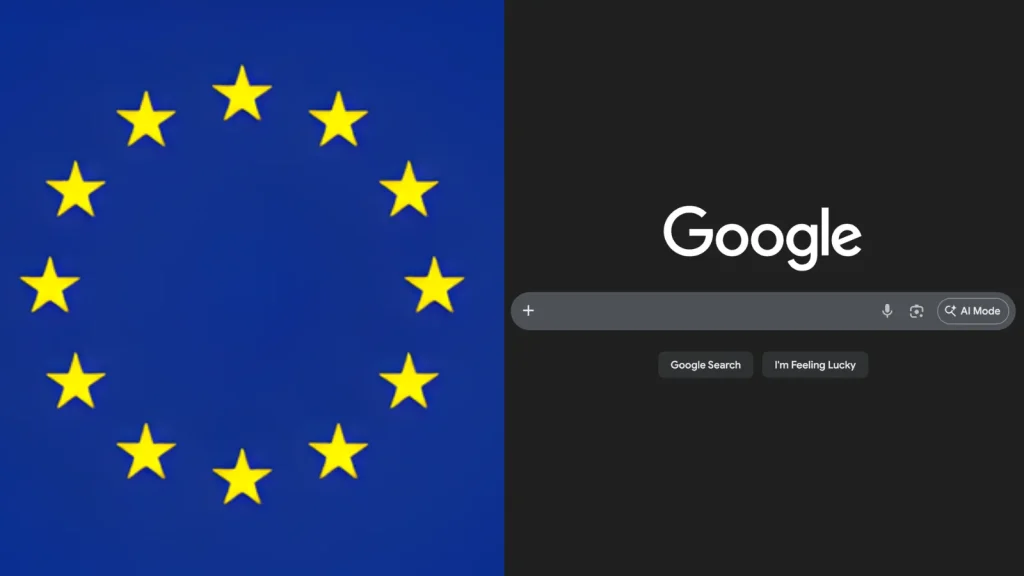
EU Proposes Requiring Google to Share User Search Data with Rival Search Engines
The EU’s Bold Move: Forcing Google to Share Search Data with Rivals
The European Union (EU) has once again signaled its intent to reshape the digital landscape, this time by proposing a landmark requirement for Google to share anonymized user search data with competing search engines and AI chatbots. This initiative, unveiled on April 15, 2026, by the European Commission, represents a significant enforcement action under the Digital Markets Act (DMA). Its core objective is to dismantle Google’s dominant position and foster greater competition in the search market across Europe.
Understanding the Digital Markets Act (DMA) and its Implications
The Digital Markets Act (DMA) is a cornerstone of the EU’s strategy to ensure fair and open digital markets. It targets “gatekeeper” platforms – large online companies that control significant access points between businesses and consumers. Google, with its overwhelming market share in search, clearly falls into this category. The Commission’s current proposal underscores the DMA’s power to address anti-competitive practices by mandating data sharing, a move that could profoundly impact how data is accessed and utilized within the search ecosystem.
The Rationale Behind Data Sharing
Google’s extensive collection of user search data provides it with an unparalleled advantage. This data fuels its algorithms, enhances search relevance, and strengthens its advertising capabilities, making it incredibly difficult for new entrants or smaller rivals to compete effectively. By requiring Google to share anonymized search data, the EU aims to:
- Level the playing field: Provide rival search engines and AI chatbots with the data necessary to improve their own services, making them more competitive.
- Foster innovation: Encourage the development of new and improved search technologies and AI applications by expanding access to crucial data.
- Increase consumer choice: Offer users more viable alternatives to Google search, potentially leading to better privacy practices and more diverse search results.
- Prevent market abuse: Counter Google’s perceived abuse of its dominant position by curtailing its data monopoly.
Technical and Privacy Considerations of Anonymized Data
The proposal emphasizes the sharing of anonymized user search data. This is a critical distinction, as it aims to protect individual user privacy while still enabling data utility for competitors. Cybersecurity professionals and data privacy experts will need to scrutinize the technical implementation of this anonymization. Robust anonymization techniques are essential to prevent re-identification, a process where seemingly anonymous data can be linked back to individuals through various means. The effectiveness of anonymization will be a key determinant of whether this initiative achieves its goals without compromising user privacy. Challenges often arise in ensuring sufficient k-anonymity, l-diversity, or differential privacy to prevent potential privacy breaches, a concern highlighted in numerous cybersecurity discussions.
Potential Impact on the Search Market and AI Development
Should this proposal be fully implemented, the implications for the search market and the broader AI landscape would be substantial. Newcomers and existing rivals could gain access to a treasure trove of anonymized search queries, allowing them to better understand user intent, optimize their algorithms, and refine their AI models. This could lead to a wave of innovation, potentially introducing new search functionalities, more specialized search engines, and advanced AI-powered information retrieval systems. Disrupting Google’s data-driven advantage could fundamentally shift the competitive dynamics, benefiting consumers with more choice and potentially higher-quality search experiences.
Navigating the Path Forward: Compliance and Challenges
While the EU’s intent is clear, the practical implementation of such a mandate presents significant challenges. Google will likely express concerns regarding intellectual property, technical feasibility, and the potential for regulatory overreach. Defining the scope of “anonymized user search data” and establishing secure, efficient mechanisms for data sharing will require rigorous technical and legal frameworks. The ongoing dialogue between the European Commission and Google, along with other stakeholders, will be critical in shaping the final outcome and ensuring that the proposal achieves its aims without unintended negative consequences, especially concerning data security and the integrity of shared datasets.
Key Takeaways
- The EU’s proposal to compel Google to share anonymized user search data marks a significant enforcement action under the Digital Markets Act (DMA).
- This initiative aims to foster competition, encourage innovation, and offer more choices to consumers by leveling the playing field in the dominant search market.
- The effectiveness and privacy implications hinge on the robustness of the anonymization techniques employed for user data.
- This bold move could reshape the competitive landscape of search engines and significantly impact the development of AI chatbots across Europe.




