
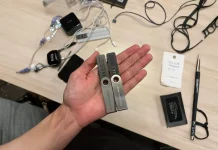
Fake Ledger Hardware Wallets on Chinese Marketplaces Steal Crypto Seeds and PINs
In the high-stakes world of cryptocurrency, the security of digital assets is paramount. Hardware wallets, designed as impenetrable fortresses for private keys, are often hailed as the gold standard for crypto storage. However, a recent and alarming discovery has ripped through the cybersecurity community, exposing a sophisticated supply chain attack that directly targets the trust placed in these devices. Brazilian cybersecurity researcher, u/Past_Computer2901, unveiled a widespread scam involving meticulously crafted, counterfeit Ledger Nano S Plus hardware wallets sold through prominent Chinese marketplaces, silently siphoning off cryptocurrency across an astonishing 20 blockchains.
The Anatomy of Deception: Counterfeit Ledger Wallets
This isn’t merely a case of poorly manufactured fakes. The findings, initially shared on Reddit by u/Past_Computer2901, detail an extremely advanced operation where the counterfeit Ledger Nano S Plus devices are engineered from the ground up to betray their users. These malicious hardware wallets are designed with one nefarious purpose: to extract sensitive information, specifically crypto seeds and PINs, without the victim’s knowledge. This level of sophistication signifies a dedicated and well-funded threat actor group leveraging the supply chain to compromise crypto users.
Supply Chain Attack Vector: A Deep Dive
The primary vector for this attack is a compromised supply chain originating from Chinese marketplaces. Users, seeking legitimate Ledger products, inadvertently purchase these counterfeit devices, believing them to be authentic. Upon setup, the malicious firmware embedded within these fakes begins its silent work. Instead of securely generating and storing a seed phrase as a genuine Ledger device would, the counterfeit hardware is programmed to either capture the user’s input of an existing seed or generate a compromised one, transmitting this critical data to the attackers. Similarly, PINs entered by users for device access are also intercepted, granting the adversaries full access to the victim’s cryptocurrency holdings.
The Technical Ingenuity of the Threat Actors
What makes this particular scam so insidious is the technical prowess displayed by the attackers. These aren’t just empty shells; they appear to function as genuine Ledger wallets on the surface. The firmware is carefully designed to mimic the legitimate Ledger experience, making it incredibly difficult for an unsuspecting user to differentiate between an authentic and a counterfeit device. The ability to silently drain assets across approximately 20 different blockchains highlights the breadth of their ambition and the advanced capabilities of the compromise.
Remediation Actions and Best Practices for Hardware Wallet Security
Given the severity of this supply chain attack, immediate and proactive measures are essential for protecting cryptocurrency assets. Users of hardware wallets, especially those who may have purchased devices from third-party marketplaces, must be acutely aware of the risks.
- Purchase Directly from Official Sources: Always buy hardware wallets exclusively from the manufacturer’s official website or authorized resellers listed on their site. Avoid third-party marketplaces like Amazon, eBay, or direct Chinese retailers, as these are common vectors for counterfeit products.
- Inspect Packaging Thoroughly: Upon receiving a new hardware wallet, meticulously inspect the packaging for any signs of tampering, resealing, or discrepancies. Genuine Ledger wallets often come with tamper-evident seals. Any indication of compromise should be a red flag.
- Verify the Device’s Authenticity: Ledger provides methods to verify the authenticity of their devices. For instance, Ledger Live (their companion application) performs an integrity check during setup. Ensure this check passes successfully. Be wary of any device that behaves unusually during setup or prompts for information it shouldn’t.
- Never Enter Existing Seed Phrases on a New Device: When setting up a brand-new hardware wallet, always choose the option to generate a new seed phrase. If a device prompts you to enter an existing seed phrase (unless you are intentionally recovering a wallet on a known, verified device), it is highly suspicious.
- Test with Small Amounts First: Before transferring significant cryptocurrency, perform a small test transaction. Send a minimal amount to the new wallet and then retrieve it to ensure the process works as expected and your device is truly secure.
- Regularly Back Up Seed Phrases Securely: Store your seed phrase physically, offline, and in multiple secure locations. Never store it digitally or take photos of it.
- Stay Informed: Follow official cybersecurity news outlets and hardware wallet manufacturers’ announcements for the latest threats and security advisories.
The Broader Implications for Crypto Security
This incident underscores a critical vulnerability in the broader cryptocurrency ecosystem: the trustworthiness of the hardware supply chain. As digital assets gain mainstream adoption, the incentives for malicious actors to exploit these avenues will only grow. This attack serves as a stark reminder that even the most secure cryptographic principles can be undermined when the physical integrity of the devices is compromised.
While this specific incident targets Ledger Nano S Plus (CVE-None, as this is a counterfeit hardware issue rather than a software vulnerability), the principles of vigilance apply across all hardware wallet brands. Users must actively participate in their own security by adhering to best practices and remaining skeptical of unofficial distribution channels.
Conclusion
The discovery of sophisticated, counterfeit Ledger hardware wallets designed to steal crypto seeds and PINs is a severe warning to the entire cryptocurrency community. It highlights the paramount importance of supply chain security and the necessity for users to exercise extreme caution when acquiring any hardware wallet. By purchasing directly from official sources, inspecting devices meticulously, and understanding the core principles of secure hardware wallet usage, individuals can significantly mitigate the risk of falling victim to such elaborate scams and protect their valuable digital assets.




