
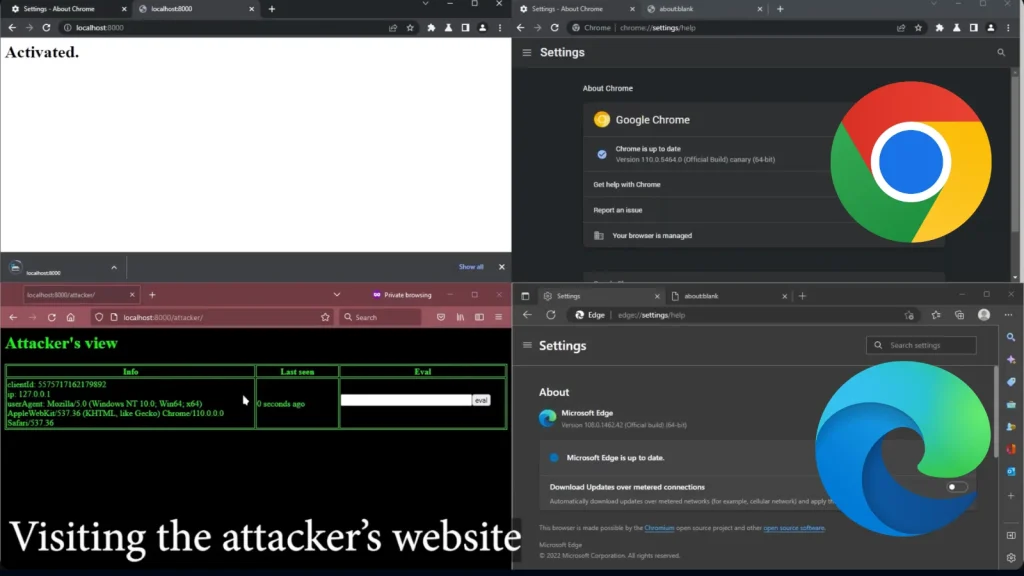
Google Publishes Exploit Code for Unfixed Chromium Bug Exposing Millions of Users
Google Drops Zero-Day Exploit: Unpatched Chromium Bug Threatens Millions
In a rare and concerning move, Google has publicly released proof-of-concept (PoC) exploit code for a critical, yet still unpatched, vulnerability within the Chromium codebase. This disclosure immediately elevates the risk for millions of users relying on popular Chromium-based browsers such as Google Chrome, Microsoft Edge, Brave, Opera, and many others. The vulnerability, first reported in late 2022 by independent security researcher Lyra Rebane, has remained unfixed for over 42 months, potentially exposing users to stealthy, botnet-style abuse.
The Unpatched Chromium Vulnerability: A Deep Dive
The core issue lies within the Chromium project’s fundamental architecture, affecting a wide array of browsers that leverage its robust rendering engine. While Google’s specific reasons for releasing the PoC before a patch are not fully detailed in the provided source, such actions are typically taken to pressure vendors into swift remediation or to alert the broader security community to an imminent threat. The long delay in patching this particular flaw, despite its critical nature and early reporting, is particularly troubling.
Impact: The exploit code’s public release transforms a theoretical threat into an active danger. Attackers can now leverage this PoC to craft sophisticated attacks, potentially leading to:
- Remote Code Execution (RCE): The most severe outcome, allowing attackers to execute arbitrary code on a victim’s machine.
- Data Exfiltration: Unauthorized access and theft of sensitive user data.
- Browser Hijacking: Redirecting users to malicious sites or controlling browser behavior.
- Botnet Recruitment: Silently enlisting compromised machines into a larger botnet for various illicit activities.
The absence of a specific CVE number in the provided source material is notable, but given the severity and public PoC release, it is highly probable that one will be assigned soon. Security professionals should monitor official Chromium security advisories and CVE databases for updates. While a direct CVE link isn’t available for this specific instance, general CVE information can be found at https://cve.mitre.org/cgi-bin/cvename.cgi?name=CVE-YYYY-XXXXX (placeholder for example).
Why the Delay? And What Does Google’s Disclosure Mean?
A 42-month delay for a critical vulnerability reported by an independent researcher is highly unusual. Reasons could range from architectural complexities in patching to resource allocation issues within the development teams. Google’s decision to publish the exploit code before a fix is deployed is a bold move. It serves as a loud alarm bell, forcing immediate attention onto the unfixed flaw. While it increases the immediate risk of exploitation, it also aims to accelerate the patching process across all Chromium-based browsers by creating public pressure and making the threat undeniable.
For users, this means vigilance is paramount. For developers of Chromium-based browsers, it means prioritizing this fix above almost all else. The window of opportunity for opportunistic attackers has just widened significantly.
Remediation Actions for Users and Organizations
Given the unpatched status, direct remediation is challenging, but proactive measures can significantly reduce risk:
- Browser Updates: Stay vigilant for official browser updates. As soon as a patch is released, update your browser immediately. Enable automatic updates where possible.
- Endpoint Protection: Ensure robust antivirus and endpoint detection and response (EDR) solutions are up-to-date and actively monitoring for suspicious activity.
- Network Segmentation: For organizational networks, segmenting networks can limit the lateral movement of an attacker if a browser on a client machine is compromised.
- Principle of Least Privilege: Browse with a user account that has minimal privileges to limit damage in case of compromise.
- Security Awareness Training: Educate users about the dangers of clicking on suspicious links or visiting untrusted websites, especially now that public exploit code exists.
- Alternative Browsers (Temporary): While not a long-term solution, consider temporarily using non-Chromium based browsers (e.g., Firefox, Safari) for sensitive tasks until a patch is widely deployed.
Tools for Detection and Mitigation
While direct detection of this specific zero-day exploit might be difficult without a signature, general security tools can aid in monitoring and mitigating potential impacts:
| Tool Name | Purpose | Link |
|---|---|---|
| Endpoint Detection & Response (EDR) | Detects and responds to suspicious activity on endpoints, potentially identifying post-exploitation behavior. | Gartner Peer Insights (EDR) |
| Intrusion Detection/Prevention Systems (IDS/IPS) | Monitors network traffic for malicious activity and can block known attack patterns. | Snort |
| Web Application Firewall (WAF) | Protects web applications from common attacks, though less direct for browser-side exploits. | ModSecurity (OWASP) |
| Vulnerability Scanners (Post-patch) | Once a CVE is assigned and patches are available, these tools will identify unpatched systems. | Nessus |
Conclusion
Google’s decision to release exploit code for an unpatched Chromium vulnerability underscores the severity of the threat and the urgency for a fix. Millions of users are now at increased risk of sophisticated attacks that could lead to data theft, remote code execution, or silent conscription into botnets. While a direct patch is still pending, adopting robust security hygiene, staying informed about official updates, and leveraging existing security tools are crucial steps for individuals and organizations to weather this elevated threat landscape. Vigilance, as always, remains our strongest defense.




