How VLANs Improve Network Segmentation.
VLANs: Simplify & Enhance Improve Network Segmentation for Performance
Optimal network performance and security are paramount in today’s complex network environments. VLANs offer a robust solution by dividing a network into more manageable segments, achieving key benefits such as:
- Enhanced network management ensures that VLANs operate efficiently and securely within a physical network infrastructure.
- Improved network performance
- Bolstered network security
VLAN segmentation is a critical aspect of modern network architecture, offering a way to logically group network devices regardless of their physical location. By implementing VLANs, network administrators can effectively optimize network traffic flow and streamline network operations.
Understanding VLANs
What are VLANs?
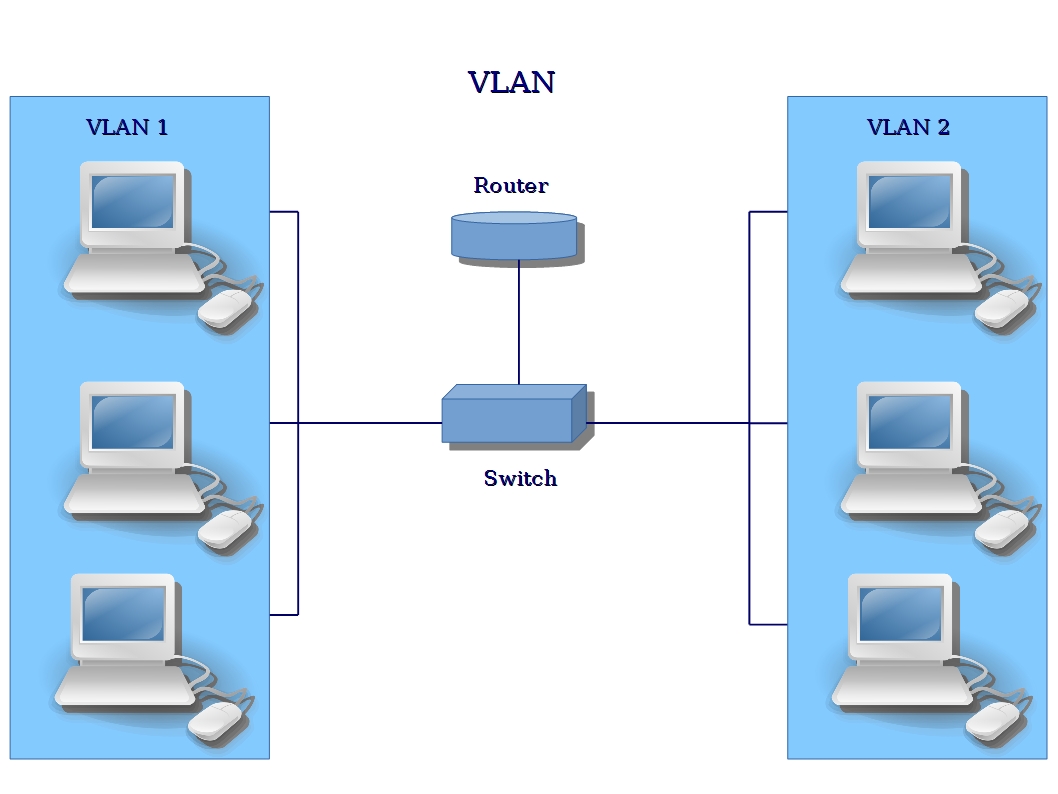
VLANs, or virtual local area networks, are a logical network that divides a single physical network into multiple, separate broadcast domains. This network segmentation allows network devices within the same VLAN to communicate as if they were on the same physical network segment, even if they are geographically dispersed. Devices in one VLAN cannot directly communicate with devices in different VLANs without routing, enhancing network security and improving network performance. By creating these virtual network segments, network administrators can simplify network management and enhance network security policies.
How VLANs Work
VLANs work by using VLAN tags to logically group network devices. When network traffic enters a network switch, the switch examines the VLAN tag to determine which VLAN the traffic belongs to. This allows the switch to forward the traffic only to devices within the same VLAN, ensuring that network traffic is isolated and contained. The process of dividing a network into VLANs within a physical network infrastructure is known as VLAN segmentation. VLANs enhance performance by reducing broadcast traffic and improving bandwidth utilization. VLAN management becomes more streamlined as administrators can apply specific security policies to individual VLANs.
Types of VLANs
There are several types of VLANs, each designed to address specific network needs. These include:
- Static VLANs, which are port-based and involve manually assigning each port on a network switch to a specific VLAN.
- Dynamic VLANs, which use software to automatically assign devices to VLANs based on MAC addresses or other criteria.
Other examples are Voice VLANs, optimized for voice traffic, Data VLANs handling general data, and Management VLANs used for managing network infrastructure devices. Selecting the appropriate types of VLANs is crucial for optimizing network performance and security.
Benefits of VLAN Segmentation
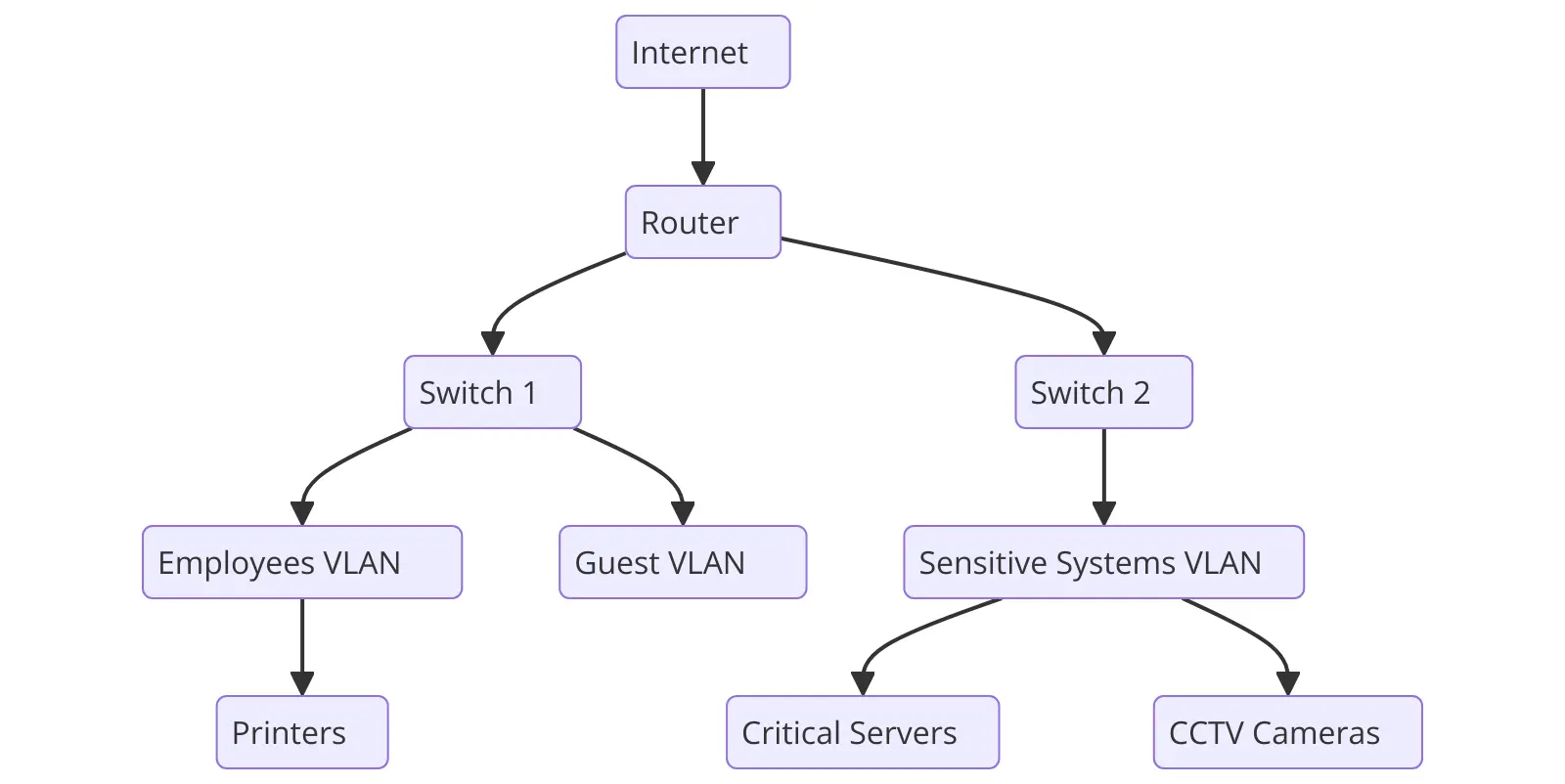
Enhance Network Security
One of the primary benefits of VLAN segmentation is the ability to enhance network security. By dividing a physical network into smaller, isolated network segments, you limit the scope of potential security breaches. If a security threat affects one VLAN, it is contained within that virtual network, preventing it from spreading to other parts of the larger network into smaller segments. This network segmentation ensures that sensitive network resources and network infrastructure are protected, and it also simplifies the implementation of specific VLAN security policies to address unique security concerns.
Improve Network Performance
VLANs improve network performance by reducing broadcast traffic and containing it within the specific VLAN. When a device sends a broadcast message, it is only transmitted to other devices within the same virtual local area network segment, rather than flooding the entire network. This segmentation reduces network congestion and improves overall network performance, ensuring that network traffic flows more efficiently. Additionally, optimizing network traffic with VLANs helps in allocating network resources more effectively, further enhancing network performance and user experience.
Optimize Network Traffic
By implementing VLANs, network administrators can optimize network traffic flow according to the logical groupings of devices. This segmentation allows for the prioritization of network traffic based on the needs of different departments or applications. For example, voice VLANs can be configured to prioritize voice traffic, ensuring high-quality VoIP communications within the network. Network segmentation with VLANs also simplifies network management, making it easier for network administrators to manage network devices, monitor network performance, and troubleshoot network issues, ultimately simplifying network management.
Implementing VLANs in Network Design

Steps for Simplifying Network Management
Implementing VLANs involves several key steps to simplify network management and enhance network performance and security. First, a thorough network assessment is essential to identify network segments that would benefit from VLAN segmentation. This includes analyzing network traffic patterns and security requirements. Next, design the VLAN structure, assigning VLAN IDs and VLAN tags to each virtual local area network to ensure that VLAN the packet is handled correctly. Configuring network switches with the appropriate VLAN settings is crucial, followed by rigorous testing to ensure network traffic is properly isolated between different VLANs and optimizing network performance.
VLAN Tagging and IDs
VLAN tagging and VLAN IDs are fundamental to how VLANs work. A VLAN tag is added to the Ethernet frame, indicating which VLAN the network traffic belongs to. This tag allows network switches to correctly forward network traffic only to the appropriate VLAN segment, ensuring that VLAN the packet reaches its destination. VLAN IDs are unique identifiers for each VLAN, typically ranging from 1 to 4094, as defined by the 802.1Q standard, and these VLANs are used to manage traffic efficiently. Proper assignment and management of VLAN IDs are crucial for maintaining an efficient network design and preventing network conflicts across different VLANs, ensuring enhanced security.
Network Infrastructure Considerations
When implementing VLANs, several network infrastructure considerations must be taken into account to improve network performance and security. Ensure that network switches support VLAN tagging and the 802.1Q standard. Assess the capacity of network links to handle the additional overhead of VLAN tags. Consider the impact on existing network devices, such as routers and firewalls, which may need reconfiguration to support inter-VLAN routing. A well-planned network infrastructure is essential for successful VLAN implementation, improving overall network management.
Network Management and Administration

Role of Network Administrators
Network administrators play a crucial role in VLAN management, ensuring that the virtual local area network operates efficiently and securely. Their responsibilities include designing and implementing VLANs, configuring network switches, monitoring network traffic, and troubleshooting network issues. Network administrators must also define and enforce security policies to protect each VLAN from unauthorized access and potential security breaches within the network. Effective VLAN management by network administrators is vital for optimizing network performance and maintaining a secure network environment, by implementing different VLANs.
Security Policies and VLAN Management
Implementing robust security policies is essential for effective VLAN management and to enhance security across the entire network. Each VLAN should have specific security policies tailored to its unique requirements to ensure that VLAN operates effectively. This may include access control lists (ACLs) to restrict network traffic between different VLANs, intrusion detection systems (IDS) to monitor for malicious activity, and regular security audits to identify and address potential vulnerabilities. Consistent enforcement of security policies ensures that VLAN segmentation provides optimal protection against security threats and improves network performance within the network.
Tools for Managing VLANs
Here are some tools that can greatly assist with VLAN management, offering network administrators enhanced visibility and control within the network.
- Network management software automates VLAN configuration, monitors network traffic, and generates performance reports within a physical network infrastructure.
- Command-line interfaces (CLIs) on network switches enable detailed VLAN configuration and troubleshooting.
- Network analyzers capture and analyze traffic to identify issues and optimize performance, ensuring that VLANs are used effectively.
Utilizing these tools can significantly streamline VLAN management, improving overall network performance and security.
5 Surprising Facts About How VLANs Improve Network Segmentation
- Security gains beyond just isolation: VLANs reduce broadcast domains and limit lateral movement, which means even if an attacker breaches one segment they often cannot easily reach others without crossing controlled routing boundaries—effectively adding a layer of defense-in-depth.
- Better performance with less hardware: By segmenting traffic logically, VLANs cut unnecessary broadcast and multicast traffic on each segment, improving throughput and latency without requiring separate physical switches for each group.
- Rapid policy enforcement: VLANs let administrators apply access control lists, QoS, and monitoring per segment, so security and performance policies follow groups of users or devices instantly as their VLAN membership changes.
- Micro segmentation-like benefits at Layer 2: While true micro segmentation is often associated with virtualization and Layer 3/4 controls, VLANs provide many of the same benefits (fine-grained separation and reduced attack surface) at Layer 2, especially when combined with private VLANs and port-level controls.
- Operational flexibility and easier change management: VLANs enable moves, adds, and changes without rewiring—reassigning a user or device to a different network is a configuration change rather than a physical one, speeding deployments and reducing downtime.

How does network segmentation with VLANs improve security and enhance security within a network?
Network segmentation involves dividing a large network into smaller logical networks, and VLANs improve security by isolating traffic and enforcing security measures within each VLAN. By creating separate VLANs for sensitive systems and general users, VLANs provide a layer of security by isolating parts of the network and reducing the attack surface. This makes it easier to apply network policies and specific security controls within a VLAN, so threats in one segment do not automatically spread to other parts of the network.
How do VLANs offer easier network management and help manage network resources in large network environments?
VLANs allow administrators to group devices by function, department, or security level even when devices are physically dispersed, effectively turning a physical network into multiple logical networks. This makes it easier network management because you can apply policies, QoS, and access controls to specific VLANs to manage bandwidth and resources. In a large network into smaller segments, VLANs reduce broadcast domains and simplify troubleshooting and change management within the network.
What happens to traffic between VLANs and how is routing between VLANs handled?
Traffic between VLANs does not pass by default; routing between VLANs is required to enable communication between devices on different VLANs within the network. A layer 3 switch or router performs routing between VLANs, inspecting the VLAN tag—when a switch sees the VLAN ID on the packet it forwards within that VLAN, and when traffic must cross segments the device routes according to network policies. This allows administrators to control and filter traffic between VLANs and implement security by isolating specific VLANs while granting controlled access where needed.
What types of VLANs exist and how do specific VLAN configurations improve management and security by isolating parts of the network?
Common type of VLAN deployments include port-based, protocol-based, and tagged (802.1Q) VLANs. Specific VLANs such as management VLANs, guest VLANs, and voice VLANs enable tailored security measures and operational policies within each VLAN. For example, a management VLAN isolates network management traffic, improving management and security for devices like switches and controllers. By segmenting the network into multiple logical networks, administrators can enforce stricter controls within a network segment while keeping other segments operational for normal users.