
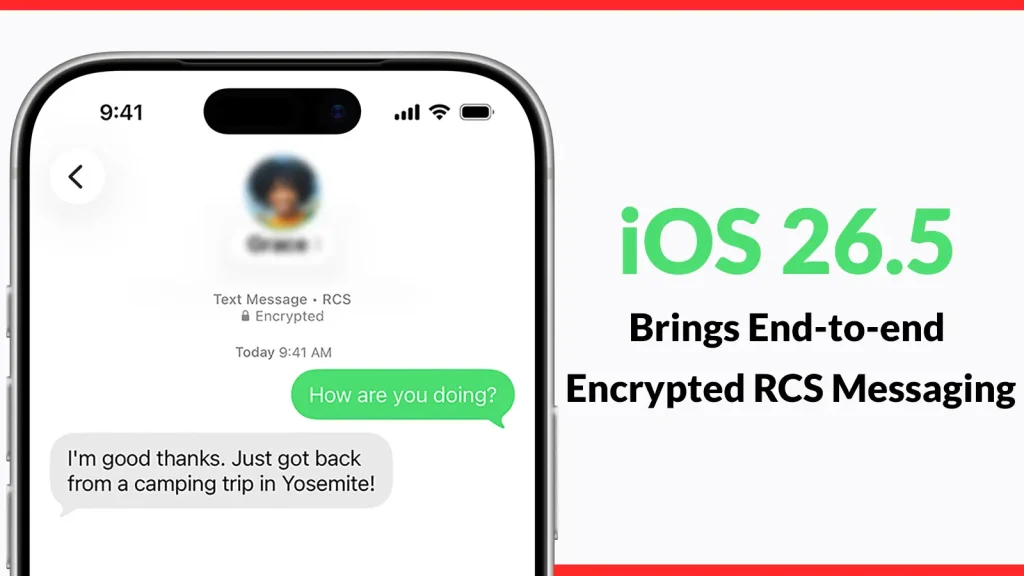
iOS 26.5 Brings End-to-end Encrypted RCS Messaging Between iPhone and Android
For years, exchanging messages between an iPhone and an Android device came with a hidden cost: a significant lack of privacy. These cross-platform texts often traveled unencrypted, leaving your conversations vulnerable to interception. This long-standing security gap is finally being addressed with a groundbreaking collaboration between Apple and Google.
A beta rollout of end-to-end encrypted messaging over Rich Communication Services (RCS) has been jointly launched, promising a new era of secure mobile communication. Starting May 11, 2026, this pivotal update will fundamentally change how iPhone and Android users interact, bringing much-needed privacy parity to the mobile messaging landscape.
The Problem with SMS/MMS: A History of Vulnerability
Before RCS, messages exchanged between Android and iOS defaulted to SMS (Short Message Service) or MMS (Multimedia Messaging Service). These protocols, relics from an earlier telecommunications era, were never designed with modern security in mind. SMS, in particular, transmits information in plain text, making it incredibly susceptible to various forms of attack.
- Lack of Encryption: SMS and MMS inherently lack end-to-end encryption. This means that messages can be read by anyone with access to the network infrastructure, including carriers and potential adversaries.
- Metadata Exposure: Even if message content isn’t directly intercepted, metadata (who messaged whom, when, and how frequently) can provide a rich source of information for surveillance.
- Phishing and Scams: The lack of robust security features in SMS/MMS has historically made it a prime vector for phishing attacks and other social engineering scams, as users have no easy way to verify the authenticity of a sender.
RCS: A Modern Approach to Messaging
Rich Communication Services (RCS) is a communication protocol designed to replace SMS. It offers a significantly enhanced messaging experience, akin to popular internet-based messaging apps. Key features include:
- Read Receipts and Typing Indicators: Users can see when messages have been read and when others are typing, providing a more fluid conversational experience.
- High-Quality Media Sharing: RCS allows for the sending of larger files, high-resolution images, and videos without the compression limitations of MMS.
- Group Chat Enhancements: More robust group chat features, including the ability to add and remove participants, are standard.
- Enhanced Security (Pre-Encryption): Even before end-to-end encryption, RCS offered some improvements over SMS, such as message verification, though not true end-to-end privacy for cross-platform messages.
End-to-End Encryption: The Game Changer
The true significance of this update lies in the integration of end-to-end encryption (E2EE) for cross-platform RCS messages. E2EE ensures that only the sender and the intended recipient can read the message. Not even the service provider (Apple or Google) can access the content in transit. This is achieved through cryptographic keys held only by the devices at each end of the conversation.
This implementation addresses a critical security flaw that has long plagued interoperability between the two dominant mobile ecosystems. Users can now communicate across iPhone and Android with the same level of confidence they have when using secure, dedicated messaging applications.
Implications for Cybersecurity and User Privacy
This move has profound implications:
- Increased User Trust: Users can have greater confidence in the privacy of their everyday communications, reducing fears of snooping and surveillance.
- Reduced Attack Surface: By encrypting messages at the source and decrypting only at the destination, the potential for man-in-the-middle attacks and data breaches involving message content is drastically reduced.
- Industry Standard Shift: Apple’s adoption of RCS with E2EE sets a new de facto standard for mobile messaging, pushing other platforms to enhance their security offerings.
- Combating CVEs Related to Messaging Interception: While not tied to a single CVE, the fundamental shift to E2EE mitigates entire classes of vulnerabilities related to unencrypted message interception, which often underpin various CVEs (e.g., vulnerabilities allowing network traffic analysis for unencrypted data). For a broader understanding of message interception vulnerabilities, analysts often refer to categories of weaknesses rather than single CVEs for entire protocol flaws.
The Road Ahead: What to Expect
While the May 11, 2026, date marks the official broad rollout, the beta phase will be crucial for refining the implementation and ironing out any potential interoperability issues. Users should anticipate:
- Beta Program Participation: Opportunities for early adopters to test the feature and provide feedback.
- Phased Rollout: The update might not reach all users simultaneously, with a gradual rollout across regions and devices.
- Continued Evolution: As with any major platform update, expect ongoing enhancements and security patches to further strengthen the RCS experience.
Conclusion
The introduction of end-to-end encrypted RCS messaging between iPhone and Android, arriving on May 11, 2026, is more than just a software update; it’s a monumental step forward for universal mobile communication security. This collaboration between Apple and Google finally bridges a significant privacy gap, empowering users with the confidence that their cross-platform conversations are truly private and protected. For IT professionals and security analysts, this represents a welcome consolidation of secure messaging practices, reducing the overall threat landscape for everyday communication.




