Microsoft to Retire Manifest V2 Extensions and Switch to V3 for Improved Security and Performance
Microsoft Edge Embraces Manifest V3: A Critical Shift for Security and Performance
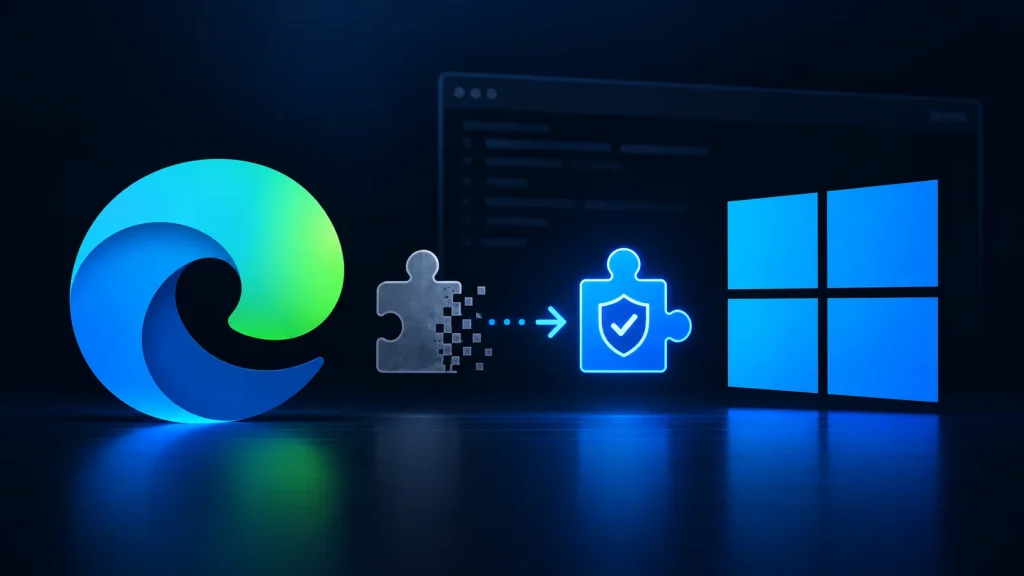
The digital landscape is a dynamic battleground where security and performance are paramount. Browser extensions, while incredibly useful, have long presented a double-edged sword, offering functionality but often introducing vulnerabilities. Microsoft is taking a decisive step to fortify its browser ecosystem, announcing the phased retirement of Manifest V2 extensions in Microsoft Edge by early 2027. This pivotal move mandates a transition to Manifest V3, promising enhanced security and improved performance for users, enterprises, and developers alike. This change, initially communicated via Message Center notification MC1467356, signals a new era for browser extension development and usage.
Understanding Manifest V2 and the Need for Change
Manifest V2 has served as the foundation for Chrome and Edge extensions for over a decade. While it enabled a wide array of powerful functionalities, its architecture presented certain inherent security and performance challenges. Extensions built on Manifest V2 often had broad permissions, potentially allowing them extensive access to user data and browser activities. This level of access, while sometimes necessary for legitimate features, also created a larger attack surface for malicious actors. Furthermore, the event page model in V2 could lead to performance bottlenecks and increased memory consumption, particularly with multiple extensions running simultaneously.
The cybersecurity community has long highlighted the risks associated with overly permissive extensions. Malicious V2 extensions could, for instance, inject advertisements, track browsing history, or even steal sensitive credentials. While specific CVEs are typically tied to vulnerabilities within specific extensions rather than the Manifest version itself, the architectural limitations of V2 indirectly contributed to a higher potential for such security flaws.
The Promise of Manifest V3: Enhanced Security and Performance
Manifest V3 represents a significant architectural overhaul designed to address the shortcomings of its predecessor. The core principles driving this transition are a focus on user privacy, enhanced security, and improved performance. Key changes include:
- Reduced Permissions and Granular Control: V3 extensions will operate with more restrictive permissions by default, requiring developers to explicitly declare the exact resources and APIs they need. This “least privilege” approach significantly limits the potential damage an exploited extension can cause.
- Service Workers for Background Tasks: Instead of persistent background pages, V3 utilizes service workers, which are event-driven and only active when needed. This leads to more efficient resource utilization, faster browser startup times, and reduced memory footprint.
- Declarative Net Request API: This API replaces the blocking web request API used in V2. Instead of allowing extensions to intercept and modify network requests arbitrarily, V3 requires extensions to declare their intentions upfront. This provides more transparency and predictability, making it harder for malicious extensions to covertly manipulate network traffic.
- Improved Content Security Policy (CSP): V3 enforces stricter CSPs, reducing the risk of cross-site scripting (XSS) attacks and other code injection vulnerabilities.
- Mandatory Code Host Requirements: Extensions must host all their code within the extension package itself, eliminating the ability to fetch and execute remote code. This prevents attackers from dynamically altering an extension’s behavior after installation.
These architectural shifts are expected to significantly mitigate common attack vectors and improve the overall stability and responsiveness of the browser.
Impact on Users, Enterprises, and Developers
The transition to Manifest V3 will have far-reaching implications for various stakeholders:
- For Users: Users can anticipate a more secure and performant browsing experience. The reduced attack surface and improved resource management of V3 extensions mean fewer instances of malicious activity, better privacy protection, and a snappier browser.
- For Enterprises: Organizations will benefit from a more secure endpoint environment. The stricter controls in V3 reduce the risk of data exfiltration, malware injection, and other security incidents stemming from compromised extensions. IT administrators will have greater confidence in the security posture of their deployed browsers.
- For Developers: Developers are tasked with updating their existing V2 extensions to V3. This involves adapting to the new API models, particularly the Declarative Net Request API and service workers. While this transition requires effort, the long-term benefits include a more robust and secure platform for extension development. Microsoft, like Google, is providing resources and documentation to aid developers in this migration process.
Remediation Actions for a Smooth Transition
For individuals and organizations relying on browser extensions, proactive steps are crucial to ensure a seamless transition to Manifest V3:
- For Users: Regularly update your Microsoft Edge browser to the latest version. Be aware that some older, unmaintained extensions may cease to function after the V2 retirement date. Seek out V3-compatible alternatives if necessary.
- For Enterprises:
- Inventory Extensions: Conduct a comprehensive audit of all V2 extensions currently in use across your organization.
- Assess Criticality: Determine which extensions are business-critical and prioritize their migration or replacement.
- Communicate with Developers: Engage with vendors or in-house developers of essential V2 extensions to understand their V3 migration plans and timelines.
- Pilot Programs: Implement pilot programs to test V3-compatible extensions and configurations before a full rollout.
- User Education: Inform employees about the impending change and any potential disruptions or required actions.
- For Developers:
- Review Documentation: Familiarize yourself with the official Manifest V3 developer documentation for Microsoft Edge and Chromium-based browsers.
- Migrate APIs: Focus on updating your extension’s background scripts to use service workers and migrate from the Web Request API to the Declarative Net Request API.
- Test Thoroughly: Rigorously test your V3-migrated extensions to ensure full functionality and compatibility.
- Address Permissions: Optimize your extension’s permissions to adhere to the principle of least privilege.
- Plan for Publication: Prepare to publish your V3-compatible extension to the Microsoft Edge Add-ons store well before the 2027 deadline.
Conclusion
Microsoft’s decision to retire Manifest V2 and enforce Manifest V3 for Edge extensions is a strategic move that aligns with industry best practices for cybersecurity and performance optimization. While the transition presents challenges for developers, the long-term benefits for users and enterprises are significant: a more secure, private, and efficient browsing experience. Proactive planning and diligent migration efforts will ensure a smooth transition into this new era of browser extension security.