
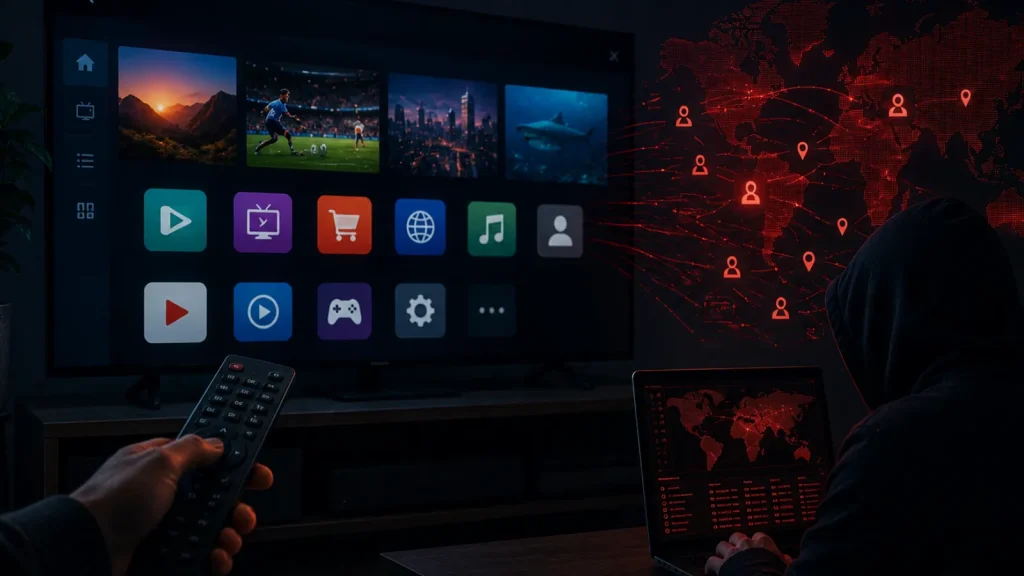
Nearly Half of Apps Across LG and Samsung TV’S are Selling Your IP Address
The privacy of your digital life might be more compromised than you think, especially when it comes to the devices you often consider harmless. Recent research has uncovered a disturbing truth: a significant portion of apps running on LG webOS and Samsung Tizen smart TVs are effectively turning these household devices into clandestine exit nodes for commercial proxy networks.
This isn’t merely a data privacy concern; it’s a fundamental breach of trust, transforming your smart TV from an entertainment hub into an unwilling participant in third-party internet traffic routing, potentially exposing your home network to risks.
The Hidden Agenda: Smart TVs as Proxy Exit Nodes
New findings from Cyber Security News reveal that a staggering 2,058 out of 6,038 analyzed applications across LG webOS and Samsung Tizen ecosystems contained residential proxy Software Development Kits (SDKs). These SDKs are the underlying mechanisms that allow these apps to repurpose your smart TV’s internet connection.
Ostensibly, these applications appear innocuous – a tranquil fish tank screensaver, a simple clock, a classic Solitaire game, or an app displaying cute puppy videos. However, beneath this benign facade, they are integrating your smart TV into commercial proxy networks. This means your internet protocol (IP) address is being utilized as an endpoint for other users’ web traffic, often without your explicit knowledge or consent.
Understanding Residential Proxy SDKs
Residential proxy SDKs are components that enable an application to route internet traffic through the IP address of the device where they are installed. For legitimate users of proxy services, residential proxies are highly valued because they make their traffic appear to originate from a real household internet connection, making it difficult to detect and block by websites or services.
The ethical dilemma arises when these SDKs are embedded into apps without transparent disclosure to the end-user. When your smart TV becomes an exit node, its IP address is used by third parties, potentially for activities ranging from data scraping and bypassing geo-restrictions to more illicit endeavors. This can lead to your IP address being flagged, or worse, associated with nefarious online activities.
The Implications for Your Privacy and Security
The implications of your smart TV acting as a proxy exit node are multifaceted:
- Privacy Erosion: Your IP address, a unique identifier for your internet connection, is being rented out, blurring the lines of who controls your digital presence.
- Bandwidth Consumption: Routing external traffic consumes your home internet bandwidth, potentially slowing down your connection, especially if these proxy activities are significant.
- Reputational Risk: If your IP address is used for illegal or unethical activities by a third party, it could be blacklisted or associated with those actions, impacting your online reputation and access to services.
- Security Concerns: While routing traffic, these apps could potentially create vulnerabilities in your home network, though direct exploits via proxy traffic are less common than other attack vectors, the increased network activity introduces higher risk.
Remediation Actions and Safeguards
Addressing this issue requires a proactive approach to smart device management and network security. While there isn’t a specific CVE for this widespread practice, it highlights a critical vulnerability in app ecosystem oversight.
- App Auditing: Regularly review the apps installed on your smart TV. If an app seems too simple or offers features that don’t justify its existence, it might be suspicious.
- Network Monitoring: Use network monitoring tools or your router’s analytics interface to identify unusual spikes in outgoing internet traffic from your smart TV, especially during periods of inactivity.
- Update Firmware: Ensure your smart TV’s operating system (LG webOS, Samsung Tizen) is always updated to the latest firmware. Manufacturers often release updates that address security vulnerabilities and strengthen privacy controls.
- Privacy Settings Review: Dive into your smart TV’s privacy settings. Disable any data sharing options you are uncomfortable with, and review app permissions meticulously.
- Consider a Guest Network: Implement a guest Wi-Fi network for smart devices. This segregates them from your main home network, limiting potential access to your more sensitive devices and data.
- Use a VPN on Your Router: If your router supports it, configuring a Virtual Private Network (VPN) at the router level can encrypt all traffic leaving your network, adding a layer of protection, though it may not stop the internal routing of proxy traffic through your IP.
- Research Apps Before Installation: Before installing any new app on your smart TV, quickly search for reviews or reports on its data practices, especially concerning network usage.
Tools for Network Visibility and Control
While direct prevention within the TV app ecosystem is challenging, network-level tools can provide insight and some control.
| Tool Name | Purpose | Link |
|---|---|---|
| Wireshark | Network protocol analyzer to inspect traffic from smart devices. | https://www.wireshark.org/ |
| Fing (Mobile App) | Network scanner to identify all devices on your network and their open ports. | https://www.fing.com/ |
| Pi-hole | Network-wide ad blocker and DNS sinkhole; can block known ad/tracking domains, potentially proxy domains. | https://pi-hole.net/ |
| Custom Router Firmware (e.g., DD-WRT, OpenWrt) | Provides advanced network control, including granular traffic monitoring and firewall rules. | https://dd-wrt.com/ https://openwrt.org/ |
Conclusion
The revelation that nearly half of LG and Samsung smart TV apps are potentially monetizing your IP address by turning your device into a residential proxy exit node is a stark reminder of the hidden risks in our interconnected world. It underscores the critical need for greater transparency from app developers and stronger security measures from smart TV manufacturers. By understanding these threats and taking proactive steps to secure your network and manage your smart devices, you can regain control over your digital footprint and safeguard your privacy.




