Revolut Data Breach Exposes Customers’ Passport Copies and Full Transaction Histories to Hackers
Revolut Data Breach: Passport Copies and Full Transaction Histories Exposed
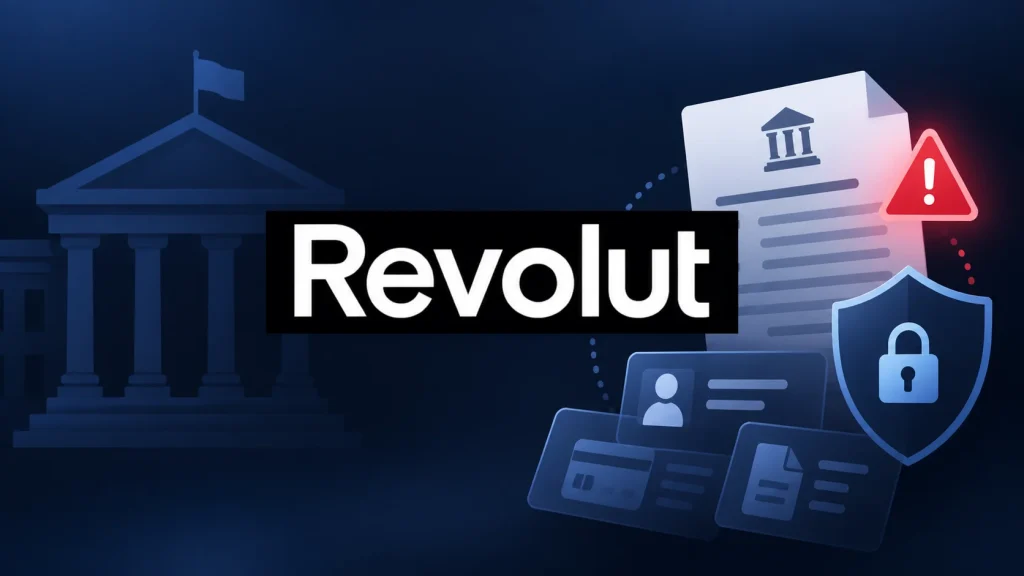
In a significant security incident, financial technology giant Revolut has confirmed a data breach, revealing that sensitive customer information, including passport copies and complete transaction histories, was exposed. This breach stemmed from a sophisticated social engineering attack where malicious actors leveraged a fraudulent request, deceptively appearing to originate from a legitimate government agency. The incident underscores the persistent threat of targeted social engineering campaigns against even well-resourced financial institutions.
The compromised data is highly sensitive, encompassing “Know Your Customer” (KYC) documentation and detailed financial records. This exposure poses substantial risks to the affected individuals, including potential identity theft, financial fraud, and targeted phishing attempts. For security professionals, this event serves as a stark reminder of the critical importance of robust verification processes and continuous employee training against social engineering tactics.
The Anatomy of the Breach: Social Engineering and Sensitive Data Exposure
Revolut’s disclosure highlights a common yet incredibly effective attack vector: social engineering. Rather than a direct technical vulnerability in their systems (though further details may emerge), the breach exploited human trust and internal processes. The attackers successfully mimicked a government agency’s communication, tricking Revolut personnel into releasing highly confidential customer data. This method bypasses many traditional cybersecurity defenses, emphasizing the need for a multi-layered approach that includes human elements.
The exposed data includes:
- Passport Copies: These documents are cornerstone for identity verification and can be extensively misused for identity fraud.
- Full Transaction Histories: Detailed financial records provide a comprehensive view of an individual’s spending habits, income, and financial relationships, making them invaluable for targeted scams or extortion.
- Other KYC Documentation: While the exact scope isn’t fully detailed, KYC often includes proof of address, driver’s licenses, and other personal identifiers.
The impact of such a breach extends far beyond initial inconvenience, potentially leading to long-term financial and personal distress for affected users. It also raises questions about data retention policies and the necessity of storing such sensitive documents, especially after initial verification processes are complete.
Understanding the Threat: Social Engineering in the Financial Sector
Social engineering remains a primary concern for cybersecurity analysts, particularly within the financial technology (FinTech) sector. Attackers often craft elaborate schemes, leveraging publicly available information to create convincing pretexts. In this instance, the impersonation of a government agency adds a layer of authority and urgency, making it difficult for employees to discern fraudulent requests from legitimate ones.
Key aspects of social engineering include:
- Phishing/Spear Phishing: Tailored emails or messages designed to trick individuals into divulging information or taking specific actions.
- Pretexting: Creating a fabricated scenario to engage victims and obtain information.
- Baiting: Luring victims with tempting offers to compromise their systems or data.
- Quid Pro Quo: Offering a service or reward in exchange for information.
The Revolut incident is a classic example of sophisticated pretexting combined with potential spear phishing, targeting specific individuals within the organization to achieve data exfiltration.
Remediation Actions and Best Practices for Financial Institutions
For organizations, especially those handling sensitive financial and personal data, mitigating the risk of social engineering attacks requires a comprehensive strategy. The Revolut breach provides critical lessons for strengthening defenses.
- Enhanced Employee Training: Regular and comprehensive training on identifying social engineering tactics, including specific examples of government impersonation and fraudulent requests. Training should go beyond basic awareness and include simulated attacks.
- Multi-Factor Authentication (MFA) for Internal Systems: Implementing strong MFA for all internal systems, especially those accessing sensitive customer data, can prevent unauthorized access even if credentials are compromised.
- Strict Verification Protocols: Establishing and rigorously enforcing protocols for verifying the authenticity of data requests, particularly those from external entities, regardless of their apparent legitimacy. This should include call-backs to independently verified numbers or secure communication channels.
- Principle of Least Privilege: Ensuring employees only have access to the data absolutely necessary for their role, limiting the potential impact of a compromised account.
- Data Minimization and Retention Policies: Regularly reviewing and purging sensitive customer data that is no longer required, reducing the attack surface.
- Incident Response Plan: A well-defined and regularly tested incident response plan is crucial for quickly identifying, containing, and recovering from breaches, minimizing damage.
Implications for Customers Affected by the Revolut Data Breach
Customers impacted by this breach face immediate and long-term risks. It is imperative for them to take proactive steps to protect themselves:
- Monitor Financial Statements: Scrutinize bank statements and credit card activity for any unauthorized transactions.
- Credit Monitoring: Enroll in a credit monitoring service to detect any suspicious activity related to new accounts or credit applications.
- Change Passwords: Update passwords for all online accounts, especially those related to financial services, using strong, unique passwords.
- Beware of Phishing: Be extra vigilant against unsolicited emails, texts, or calls, as attackers may use the exposed data for highly personalized phishing attempts. Do not click on suspicious links or download attachments from unknown sources.
- Report Suspicious Activity: Immediately report any suspicious financial activity or communications to Revolut and relevant authorities.
The Ongoing Battle Against Social Engineering
The Revolut data breach serves as a powerful reminder that human vulnerabilities remain a critical entry point for cyber attackers. As organizations continue to invest in advanced technical security measures, the focus on human factors, robust processes, and continuous vigilance against social engineering must also intensify. This incident underscores the dynamic nature of cyber threats and the need for constant adaptation in defense strategies to protect sensitive customer information.