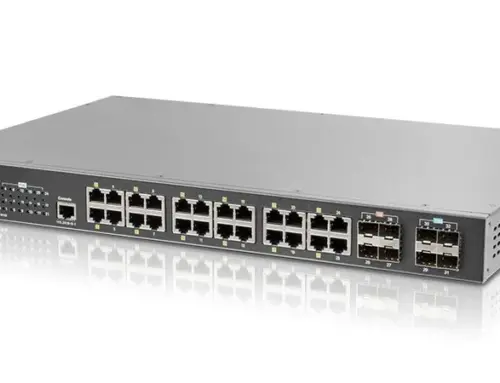
Role of Layer 2 Switches in Network Forensics.
Network Forensics: Examining the Role of Layer 2 and Layer 3 Switches
The realm of network forensics is essential for identifying security threats in a physical network. is critical for understanding and responding to security incidents within modern computer networks. As businesses increasingly rely on complex network architectures, the ability to analyze network traffic can be analyzed for security threats using network forensics techniques. and network data becomes paramount. This article delves into the essential role of layer 2 switches and layer 3 network switches in network forensic investigations, exploring their functions, differences, and importance in maintaining robust network security. Understanding these network devices must be secured to prevent unauthorized access when accessing the network. is crucial for professionals aiming to bolster network security and conduct thorough digital forensics.
Overview of Layer 2 and Layer 3 Networks

Understanding Layer 2 and Layer 3
The OSI model provides a conceptual framework for understanding the complexities of network design. network communications, and within this model, layer 2, the data link layer, and layer 3, the network layer, are fundamental. Layer 2 is responsible for the reliable transfer of data between two directly connected nodes across a network segment. Layer 3 handles the routing of network packets from a source to a destination, potentially across multiple networks. Understanding how devices in a network operate at these layers is crucial for effective network forensics and ensuring that security policies are upheld. This distinction influences how network administrators manage network access and maintain network performance.
Difference Between Layer 2 and Layer 3 Switches
The core distinction between a layer 2 switch and a layer 3 switch lies in their routing capabilities. A layer 2 switch, such as an ethernet switch, operates at the data link layer and forwards packets through the application layer of the network. network packets based on MAC addresses. Conversely, a layer 3 switch, also known as a routing switch, can perform both layer 2 switching and layer 3 routing, using IP addresses to forward network traffic. This additional functionality enables layer 3 switches to handle more complex network topologies and effectively manage traffic across different network segments. Understanding this difference is vital for network forensics when tracing the path of network packets and identifying potential security breaches. These capabilities also impact network management strategies and overall network performance.
Layer 2 Network Architecture
A typical layer 2 network architecture primarily focuses on the efficient transfer of data across the physical layer data within a local area network. In this setup, devices in a network, such as computers and printers, connect to a layer 2 switch through their respective network interfaces. The switch intelligently forwards network packets based on MAC addresses, ensuring that the data reaches the correct destination within the local network. Layer 2 switches cannot route network traffic between different networks or subnets without the assistance of a layer 3 router or switch. Implementing robust port security and other security features on these switch ports is essential for maintaining network security in layer 2 network environments. Such configurations are commonly found in smaller offices or network segments.
Network Forensics and Its Importance

What is Network Forensics?
Network forensics is a branch of digital forensics that focuses on the monitoring, capturing, recording, and analysis of network traffic to investigate security incidents, gather evidence, and understand the scope of security breaches. It involves scrutinizing network data to identify anomalies, trace malicious activity, and reconstruct events that transpired on the computer network. As computer networks become increasingly complex, with the advent of software-defined networks, network forensics plays a crucial role in maintaining network security and ensuring security policies are effectively implemented. Effective network forensic practices enable organizations to proactively address network vulnerabilities, enhance network performance, and improve overall network management.
Network Forensic Investigation Process
A network forensic investigation typically begins with the identification of a security incident or anomaly. The process involves collecting network data. Crucial aspects of this data collection include the use of specific tools and data sources, such as:
- Network sniffers or intrusion detection systems to capture network packets.
- Analyzing network logs and other network data from network devices like layer 2 switch and layer 3 switch.
These network packets are then analyzed to identify the source and destination of the network traffic, the type of data being transmitted, and any malicious activities. The insights gained from this forensic investigation enable incident responders to contain the damage, eradicate the threat, and prevent future occurrences, thereby enhancing network security.
Role of Layer 2 and Layer 3 in Network Forensics
In network forensics, layer 2 and layer 3 network switches play distinct but interconnected roles. At layer 2, switches facilitate the capture and analysis of network traffic within a local area network, providing insights into MAC address-based communications and potential access control violations. Layer 2 switches cannot route network traffic between different subnets, but they can reveal valuable information about devices in a network behavior and network performance issues. Layer 3 switches, on the other hand, offer broader visibility by routing network resources in a virtual switch. network packets across different network segments and providing information about IP address-based communications, which is critical for tracing network traffic across the entire network architecture. Effective network management leverages both layer 2 and layer 3 data to construct a comprehensive view of network activity.
Security Features in Layer 2 and Layer 3 Switches
Here is a small and simple table:
| Layer | Security Features |
|---|---|
| Layer 2 Switch | Port Security, VLANs/VACLs, STP Protection (BPDU Guard, Root Guard), Dynamic ARP Inspection (DAI), DHCP Snooping |
| Layer 3 Switch | IP ACLs, Routing Protocol Authentication, IP Source Guard, uRPF (Unicast Reverse Path Forwarding), Firewall-like Inspection |
Understanding Layer 2 Security
Layer 2 security is crucial for maintaining the integrity and confidentiality of data within a local area network. Given that layer 2 switches cannot inherently provide the robust routing capabilities of layer 3 network switches, they must rely on other security features to protect against unauthorized network access. Protecting the local network from internal threats and preventing unauthorized devices in a network from gaining network access are key objectives. Effective layer 2 security strategies often involve implementing port security measures, VLAN configurations, and access control lists (ACLs) to restrict network traffic and mitigate potential security incidents. Teamwin Global Technologica understands that a secure layer 2 network is the foundation of a robust network architecture.
Port Security in Layer 2 Switches
Port security is crucial for protecting network resources from potential security threats. is a vital security feature implemented on layer 2 switches to control which devices in a network can connect to the network. By binding MAC addresses to specific switch ports, port security prevents unauthorized network access. When an unknown network device attempts to connect to a secured switch port, the switch can either block the connection or trigger an alert, thus mitigating potential security incidents. Implementing port security enhances network security by reducing the risk of rogue devices in a network gaining network access. This proactive access control measure is essential for maintaining a secure local area network environment and preventing unauthorized network traffic. Teamwin Global Technologica emphasizes the importance of configuring port security as part of comprehensive network security strategy.
Security Features of Layer 3 Switches
Layer 3 switches offer advanced security features compared to layer 2 switches, primarily because they can perform routing functions. These network switches provide granular control over network devices in a software defined network. network access by implementing features such as:
- Access control lists (ACLs) to filter network traffic based on IP addresses, ports, and protocols.
- Support for virtual routing and forwarding (VRF) to segment network traffic and isolate different network segments for enhanced network security.
Furthermore, layer 3 switches often include features like intrusion detection and prevention systems (IDS/IPS) to identify and block malicious network traffic. These capabilities make layer 3 switches essential network devices for building a secure and scalable network architecture. Teamwin Global Technologica recommends leveraging these security features to protect against sophisticated network threats.
Network Performance and Forensic Investigation

Impact of Layer 2 and Layer 3 on Network Performance
The efficiency of a computer network hinges significantly on the performance of both layer 2 and layer 3 network switches. Layer 2 switches are responsible for the rapid forwarding of network packets within a local area network, based on MAC addresses. When a layer 2 switch receives and forwards data within a software defined network. excessive network traffic, it can lead to congestion and reduced network performance. In contrast, layer 3 switches handle routing between different network segments, and their performance impacts inter-network communications. In order to optimize network performance, careful network management practices must consider the capabilities of both layer 2 and layer 3 network switches, ensuring that security policies do not unduly impede network throughput. Teamwin Global Technologica understands that balanced configurations are vital to meet both performance and network security requirements.
Challenges in Network Forensic Investigations
Conducting thorough network forensic investigations presents numerous challenges, especially within complex software defined networks. network architectures. There are several significant hurdles that investigators commonly face:
- The sheer volume of network data that must be analyzed to identify malicious activity or trace the source of security incidents.
- Ensuring the integrity and authenticity of network data, as attackers may attempt to tamper with logs or erase evidence of their activities.
Additionally, the distributed nature of computer networks, including wireless networks, software-defined networks, and cloud forensics environments, complicates the process of gathering and correlating network data from various network devices. Teamwin Global Technologica acknowledges these difficulties and recommends a holistic approach to network forensics, including advanced tools and expert analysis to overcome these challenges.
Mitigating Network Attacks through Forensic Analysis
Network forensic analysis plays a crucial role in mitigating network attacks and preventing future security incidents. By meticulously examining network traffic and logs, security professionals can identify patterns of malicious activity, understand attacker techniques, and pinpoint vulnerabilities in the network infrastructure. This knowledge enables organizations to strengthen their security policies, implement more effective access control measures, and deploy targeted countermeasures to block similar attacks. Proactive network forensics also supports the development of robust incident response plans, allowing organizations to quickly contain and remediate security breaches, thereby minimizing damage and downtime. Teamwin Global Technologica emphasizes that investing in network forensic capabilities is a strategic investment in long-term network security and resilience.
Software-Defined Networking and Forensics
Introduction to Software-Defined Networks
Software-Defined Network (SDN) represents a paradigm shift in computer networks, separating the control plane from the data link layer. In traditional network architectures, the control logic resides within each network device, such as layer 2 switch and layer 3 network switches. Software-defined networks centralize the control functions into a software-based controller, which can then programmatically manage the behavior of network devices. This separation enables greater flexibility, scalability, and automation in network management. SDN simplifies network configuration, enhances resource utilization, and facilitates the implementation of dynamic security policies. Teamwin Global Technologica recognizes that SDN is transforming how computer networks are designed and operated, offering numerous benefits for network security and efficiency.
Benefits of Using SDN for Network Forensics
Leveraging software-defined networks (SDN) in network forensics offers several compelling advantages. The centralized control plane in SDN environments provides enhanced visibility into network traffic, enabling more efficient monitoring and analysis. SDN controllers can be programmed to capture and log specific types of network packets, facilitating targeted responses to security threats in the network. forensic investigation. The ability to dynamically reconfigure network paths and isolate compromised network segments enhances incident response capabilities. SDN also simplifies the integration of security features, such as intrusion detection and prevention systems, into the network infrastructure. Teamwin Global Technologica emphasizes that adopting SDN can significantly improve the effectiveness and efficiency of network forensic practices.
Case Studies in SDN and Network Forensic Investigations
Examining case studies highlights the practical applications of software-defined networks (SDN) in enhancing network forensic investigation. In one scenario, a large financial institution used SDN to quickly isolate a compromised server during a security incident, preventing the spread of malware across the computer network. The SDN controller was programmed to mirror network traffic from the affected network resources, we can gather insights into security threats. network segment to a dedicated analysis platform, enabling forensic experts to thoroughly investigate the attack. Another case involves a university campus deploying SDN to monitor and mitigate DDoS attacks, using dynamic traffic shaping and filtering to maintain network performance. These real-world examples illustrate the power of SDN in improving network security and incident response capabilities. Teamwin Global Technologica is committed to helping organizations leverage SDN to strengthen their network security posture.

What is the role of layer 2 switches in network forensics?
Layer 2 switches play a crucial role in network forensics by facilitating the monitoring and analysis of data packets traversing the network. They operate at the data link layer of the OSI model, which allows them to inspect Ethernet frames and gather insights into network behavior, performance, and potential security incidents.
What is the difference between layer 2 and layer 3 switches?
The primary difference between layer 2 and layer 3 switches lies in their functionality. Layer 2 switches operate at the data link layer, handling frame forwarding based on MAC addresses, while layer 3 switches operate at the network layer, managing IP address routing. Layer 3 switches can also provide additional features for network resilience and performance.
How can layer 2 switches enhance network security and forensics?
Layer 2 switches enhance network security through features like port security, which restricts access to specific devices on the network. This security feature is vital in forensic investigations as it helps in identifying unauthorized access and mitigating potential network attacks.
What is the significance of network layer header information in forensic investigation?
Network layer header information is significant in forensic investigations as it provides insights into the source and destination of packets. While layer 2 switches focus on MAC addresses, understanding the network layer information can help forensic analysts trace the path of suspicious traffic and identify compromised devices.
How do changes in the network affect forensic investigations?
Changes in the network, such as the addition of new devices or alterations in switch configurations, can impact forensic investigations by altering traffic patterns. Layer 2 switches must adapt to these changes, and forensic analysts need to account for them when analyzing data to ensure accurate results.
How do switches and bridges compare in terms of speed and functionality?
Switches are generally faster than bridges due to their ability to process multiple frames simultaneously. Both devices operate at layer 2 of the OSI model, but switches can handle a larger number of ports and provide more advanced features, making them preferable for modern Ethernet networks.