
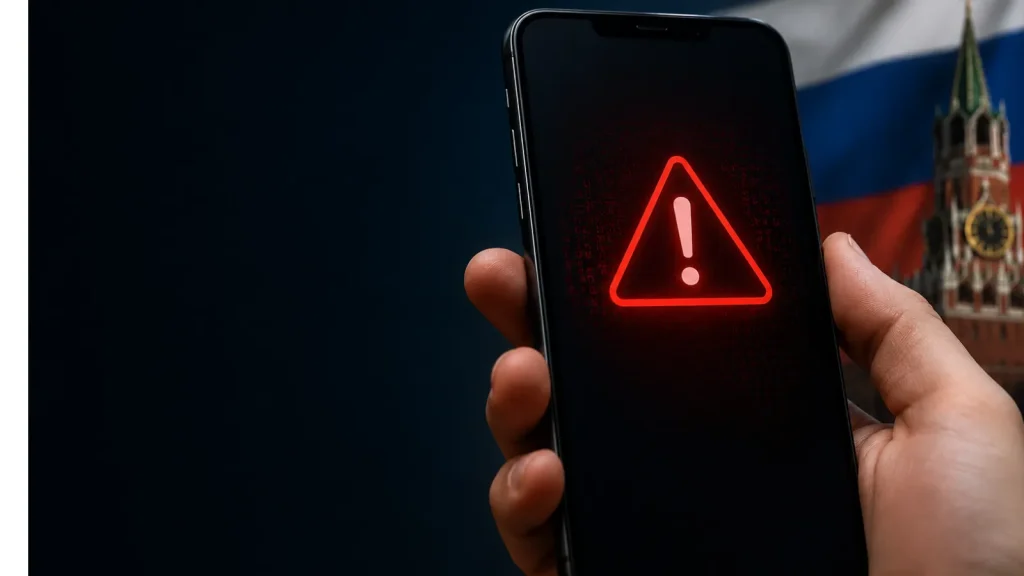
Russia Says Foreign Spyware Found on High-Ranking Officials’ Mobile Phones
The digital shadows are deepening, and the battlefield is increasingly shifting to our pockets. In a recent and alarming development, Russia’s Federal Security Service (FSB) has claimed to have uncovered a sophisticated cyber-espionage campaign targeting the mobile devices of high-ranking government officials. This incident highlights the relentless and pervasive threat of advanced persistent threats (APTs) and the critical need for robust mobile security protocols, especially for individuals holding sensitive positions. The alleged operation, attributed to unidentified foreign intelligence services, underscores the constant digital warfare waged in the geopolitical arena.
The Anatomy of the Alleged Cyber-Espionage Operation
According to the FSB, this large-scale operation involved the deployment of advanced foreign spyware on the mobile devices of prominent Russian government figures. The objective? Covert surveillance and comprehensive data exfiltration. This isn’t merely about monitoring communications; it involves a deep dive into the digital lives of targets, seeking out classified information, strategic insights, and potentially compromising data. Such operations are typically characterized by their stealth, persistence, and the use of zero-day exploits or highly sophisticated social engineering tactics to gain initial access.
The nature of “advanced spyware” in this context often implies capabilities far beyond typical malware. These include, but are not limited to, microphone activation, camera control, GPS tracking, access to encrypted messaging applications, and even manipulation of device functions. The FSB’s claim suggests a well-resourced and state-sponsored actor, given the high-value targets and the technical sophistication required for such an endeavor. While specific details on the spyware’s technical characteristics or the methods of deployment have not been fully disclosed, such operations frequently leverage supply chain attacks, phishing campaigns, or network-level intrusions.
The Global Implications of Mobile Device Targeting
This incident serves as a stark reminder of the escalating threat landscape surrounding mobile device security. Government officials, due to their access to sensitive information and their roles in national security, diplomacy, and economy, are prime targets for state-sponsored espionage. The compromise of a single mobile device can lead to significant intelligence losses, undermine national security, and create diplomatic crises.
The implications extend beyond Russia. Any nation state, corporation, or high-value individual is susceptible to similar attacks. The pervasive nature of mobile technology, combined with the often-less-rigorous security practices on personal devices compared to enterprise networks, creates fertile ground for exploitation. The ease with which foreign intelligence services can potentially access crucial communications and data through compromised mobile phones represents a critical vulnerability in the digital age.
Remediation Actions and Enhanced Mobile Security Strategies
Protecting high-ranking officials and sensitive data from such advanced threats requires a multi-layered and proactive approach. While specific vulnerabilities for the alleged spyware have not been publicly detailed, general best practices for mobile device security are paramount:
- Implement Mobile Device Management (MDM): Centralized management of mobile devices to enforce security policies, distribute updates, and monitor device health.
- Regular Software Updates: Ensure all operating systems and applications are consistently updated to patch known vulnerabilities. For example, staying current with Android security patches or iOS updates mitigates risks related to vulnerabilities like CVE-2023-38831 (potentially exploited in some mobile attacks).
- Strong Authentication: Employ multi-factor authentication (MFA) for all accounts and device access.
- Network Security: Avoid connecting to untrusted Wi-Fi networks and utilize VPNs for secure communication.
- Application Whitelisting: Restrict installation of applications to trusted sources only.
- Employee Training: Educate officials on phishing tactics, social engineering, and the dangers of suspicious links or attachments.
- Regular Security Audits: Conduct frequent penetration testing and security audits of mobile devices and associated networks.
- Incident Response Plan: Develop and regularly exercise a robust incident response plan specifically for mobile device compromises.
Tools for Mobile Security Detection and Mitigation
A range of tools can assist organizations in bolstering their mobile security posture and detecting potential compromises:
| Tool Name | Purpose | Link |
|---|---|---|
| Mobile Device Management (MDM) Solutions | Enforcing security policies, managing app distribution, remote wiping, and monitoring device compliance. | Various vendors (e.g., VMware Workspace ONE, Microsoft Intune) |
| Mobile Threat Defense (MTD) Solutions | Detecting and preventing sophisticated mobile threats, including malware, phishing, and network attacks. | Various vendors (e.g., Lookout, Zimperium) |
| Endpoint Detection and Response (EDR) for Mobile | Advanced threat hunting, real-time monitoring, and incident response capabilities for mobile devices. | Various vendors (e.g., CrowdStrike Falcon for Mobile) |
| Packet Sniffers/Network Analyzers | Analyzing network traffic from mobile devices to detect unusual or malicious communication patterns. | Wireshark |
Key Takeaways from the FSB’s Allegations
The claims made by the FSB regarding foreign spyware on the mobile phones of high-ranking Russian officials underscore several critical points. Firstly, mobile devices are increasingly becoming primary targets for sophisticated cyber-espionage operations due to their pervasive use and the sensitive data they contain. Secondly, state-sponsored actors possess significant capabilities and resources to develop and deploy advanced spyware, often leveraging unknown vulnerabilities or zero-day exploits. Lastly, this incident is a critical reminder for all organizations, particularly those with high-value targets, to continually elevate their mobile security strategies, invest in robust defenses, and prioritize ongoing cybersecurity education and awareness. Vigilance and proactive measures are no longer optional but essential in safeguarding against these persistent global threats.




