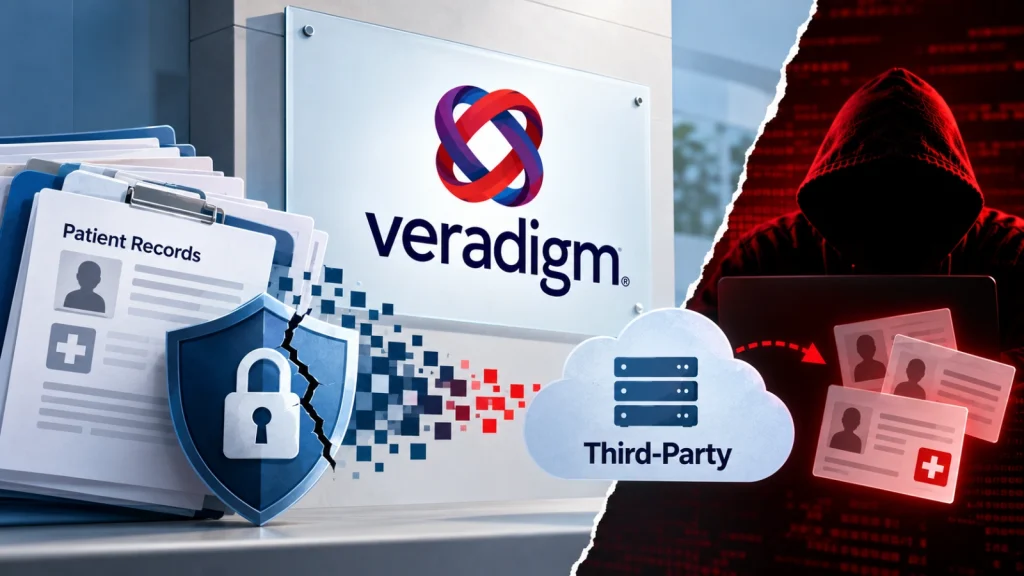
Veradigm Confirms Patient Data Exposed in Third-Party Data Breach
Veradigm Confirms Patient Data Exposed in Third-Party Data Breach: A Deep Dive into Supply Chain Risk
The intricate web of modern healthcare technology relies heavily on interconnected systems and third-party vendors. When a link in this chain falters, the repercussions can be severe, especially when sensitive patient data is at stake. Veradigm Inc., a prominent healthcare technology company, recently confirmed precisely such an incident: a cybersecurity breach at one of its third-party vendors exposed sensitive patient information, including Social Security numbers, affecting a subset of its customers. This event, disclosed in an SEC filing on September 8, 2026, serves as a stark reminder of the pervasive risks within the cybersecurity supply chain.
The Breach Details: What We Know
Veradigm’s disclosure, while limited in granular detail at this stage, confirms a critical data exposure. The incident originated not within Veradigm’s direct infrastructure but with an external vendor. This highlights a growing trend where organizations, despite robust internal security postures, remain vulnerable through their extended enterprise. The exposed data specifically includes Social Security numbers, a highly sensitive piece of personal information that, in the wrong hands, can lead to severe identity theft and financial fraud.
- Affected Entity: Veradigm Inc., a healthcare technology company.
- Source of Breach: A third-party vendor providing services to Veradigm.
- Date of Disclosure: September 8, 2026 (via SEC filing).
- Compromised Data: Sensitive patient data, including Social Security numbers.
- Scope: A “limited group” of Veradigm’s customers.
The lack of a specific CVE number for this incident is typical for third-party breaches, as the vulnerability likely resides within the vendor’s proprietary systems or processes rather than a publicly identified software flaw.
Understanding Third-Party Risk in Healthcare
The healthcare sector is a prime target for cyber attackers due to the immense value and sensitivity of patient data. When healthcare providers or technology companies like Veradigm engage third-party vendors for services ranging from billing and data analytics to cloud hosting, they inherit those vendors’ security risks. This creates a complex attack surface. A robust cybersecurity framework must extend beyond an organization’s perimeter to encompass every vendor, partner, and subcontractor with access to sensitive systems or data.
Key aspects of managing third-party risk include:
- Due Diligence: Thoroughly vetting prospective vendors’ security practices, certifications, and incident response capabilities before engagement.
- Contractual Obligations: Implementing strong data security clauses, audit rights, and liability provisions in all vendor contracts.
- Continuous Monitoring: Regularly assessing and monitoring vendors’ security posture, compliance, and adherence to agreed-upon security standards.
- Incident Response Planning: Ensuring that vendor incident response plans integrate seamlessly with the organization’s own, allowing for rapid and coordinated action.
- Data Minimization: Limiting the scope of data shared with vendors to only what is absolutely necessary for their service provision.
Remediation Actions for Affected Individuals and Organizations
While Veradigm and its vendor address the technical and operational aspects of this breach, both affected individuals and organizations must take proactive steps to mitigate potential harm.
For Affected Individuals:
- Monitor Credit Reports: Regularly obtain and review credit reports from all three major bureaus (Experian, Equifax, TransUnion) for any suspicious activity. Many services offer free annual reports.
- Enable Credit Freezes/Fraud Alerts: Consider placing a credit freeze on your credit files, which prevents new credit from being opened in your name. Alternatively, a fraud alert notifies creditors to verify your identity before extending credit.
- Review Financial Statements: Scrutinize bank and credit card statements for unauthorized transactions.
- Change Passwords: Especially for accounts linked to healthcare providers or personal identifiable information. Use strong, unique passwords and enable multi-factor authentication (MFA) wherever possible.
- Be Wary of Phishing: Attackers often leverage data breach notifications to launch sophisticated phishing campaigns. Be skeptical of unsolicited emails, calls, or texts requesting personal information.
- Report Suspicious Activity: Immediately report any signs of identity theft or fraud to law enforcement and relevant financial institutions.
For Organizations Using Veradigm or Similar Services:
- Verify Exposure: If you are a Veradigm customer, actively engage with the company to ascertain if your patient data was part of the “limited group” affected.
- Review Vendor Contracts: Re-evaluate existing contracts with all third-party vendors, paying close attention to data security clauses, incident notification requirements, and audit rights.
- Strengthen Vendor Risk Management: Implement or enhance a comprehensive vendor risk management program that includes regular security assessments, penetration testing requirements, and continuous monitoring.
- Conduct Internal Audits: Perform internal audits of data sharing practices and access controls to ensure sensitive patient data is only accessible on a need-to-know basis, even within your own organization.
- Update Incident Response Plans: Ensure your incident response plan specifically addresses third-party breaches, outlining clear communication protocols, responsibilities, and legal obligations.
The Imperative of Supply Chain Security
The Veradigm incident is a powerful illustration of the critical need for robust supply chain cybersecurity. No organization is an island; the security posture of partners directly impacts the security of the primary entity. As digital ecosystems become more interconnected, the attack surface expands, making comprehensive vendor risk management not just a best practice, but a business imperative. Organizations must move beyond checkbox compliance and adopt a proactive, continuous assessment approach to secure their extended digital perimeters.