
W3LL Phishing Kit Takedown Hits Global Credential Theft and MFA Bypass Operation
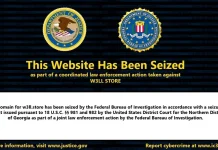
In a significant blow to cybercrime operations worldwide, law enforcement agencies have achieved a landmark victory, dismantling a sophisticated global phishing network. This coordinated effort, spearheaded by the FBI Atlanta Field Office in partnership with Indonesian authorities, has successfully targeted and neutralized the notorious W3LL phishing kit. This advanced toolkit enabled threat actors to bypass multi-factor authentication (MFA) and orchestrate over $20 million in attempted financial fraud. This article delves into the implications of this takedown and what it means for digital security.
The Anatomy of the W3LL Phishing Kit
The W3LL phishing kit was not just another off-the-shelf credential-harvesting tool; it represented a substantial leap in phishing sophistication. Unlike simpler phishing campaigns that rely on basic credential input, W3LL was engineered to overcome one of the most effective security measures available today: multi-factor authentication. By deploying advanced techniques, W3LL allowed cybercriminals to intercept and manipulate session cookies, effectively bypassing the second factor of authentication even when users correctly provided it.
This capability made W3LL a formidable weapon for attackers, granting them unauthorized access to critical online accounts, including banking, corporate network access, and email services. The kit’s widespread use underscores the evolving landscape of cyber threats, where attackers are constantly refining their methods to circumvent defensive technologies.
Global Collaboration: A New Era in Cybercrime Combat
The success of the W3LL phishing kit takedown marks a historic moment in international cybercrime enforcement. This joint operation between the FBI Atlanta Field Office and Indonesian law enforcement agencies demonstrates the critical need for global collaboration in confronting borderless digital threats. The interconnected nature of cybercrime necessitates a equally interconnected response from law enforcement, intelligence agencies, and cybersecurity professionals across different nations.
This case is particularly notable as it signifies the first of its kind in terms of the scale and international cooperation involved in dismantling such a sophisticated phishing infrastructure. It sends a strong message to cybercriminals that international borders will not serve as a sanctuary for their illicit activities.
Impact on Credential Theft and MFA Bypass
The W3LL phishing kit’s primary function was to facilitate massive credential theft and subsequent MFA bypass. Attackers would use the kit to create highly convincing phishing pages, mirroring legitimate login portals. Once a user entered their credentials, the kit would relay them to the attackers and, crucially, capture the session token generated after a successful MFA challenge. This allowed the attackers to hijack the legitimate user session, effectively circumventing the MFA protection without needing to know the one-time code or biometric verification.
This method of attack has been a significant concern for security professionals, as it undermines the perceived invulnerability of MFA. The takedown disrupts a major pipeline for these sophisticated bypass techniques, significantly hindering ongoing and future large-scale credential theft operations.
Remediation Actions and Best Practices
While the W3LL kit has been dismantled, the underlying principles of its attack vectors remain a threat. Organizations and individuals must continue to adopt robust security practices to protect against similar sophisticated phishing attempts. Here are critical remediation actions:
- Implement Strong MFA: Even with MFA bypass kits, well-implemented MFA, especially hardware-based FIDO2 security keys, offers the strongest protection. Regularly review and enforce MFA policies.
- Security Awareness Training: Educate employees and users about the latest phishing techniques, including those designed for MFA bypass. Emphasize vigilance against unusual login prompts, suspicious links, and unexpected requests for credentials.
- Phishing-Resistant MFA: Prioritize the deployment of phishing-resistant MFA methods such as FIDO2/WebAuthn, which cryptographically bind authentication to specific domains, making session hijacking significantly more difficult.
- Monitor for Anomalous Activity: Implement robust logging and monitoring solutions to detect unusual login locations, access times, or data egress patterns that could indicate a compromised account.
- Regular Software Updates: Ensure all operating systems, browsers, and security software are kept up-to-date to patch known vulnerabilities that attackers might exploit as part of their initial reconnaissance or attack chain.
- Principle of Least Privilege: Limit user permissions to only what is necessary for their job functions. This minimizes the damage an attacker can do even if they manage to compromise an account.
Conclusion
The successful takedown of the W3LL phishing kit is a testament to the growing effectiveness of international law enforcement cooperation in the fight against cybercrime. It significantly disrupts a major source of sophisticated credential theft and MFA bypass capabilities, protecting countless individuals and organizations from financial fraud and data breaches. However, the vigilance of cybersecurity professionals and the implementation of strong, layered security measures remain paramount. The threat landscape continuously evolves, and proactive defense, coupled with rapid response and collaboration, is essential to staying ahead of threat actors.




