
Cybersecurity in Automotive Systems
Automotive Cybersecurity: Securing in Automotive Systems
In today’s increasingly connected world, the automotive industry faces unprecedented challenges in safeguarding vehicle systems against evolving cyber threats. As vehicles become more reliant on electronic control units and connectivity, ensuring automotive cybersecurity is paramount. This article explores the critical aspects of automotive cybersecurity, highlighting its importance and the measures necessary to protect modern vehicles.
Understanding Automotive Cybersecurity
Definition and Importance
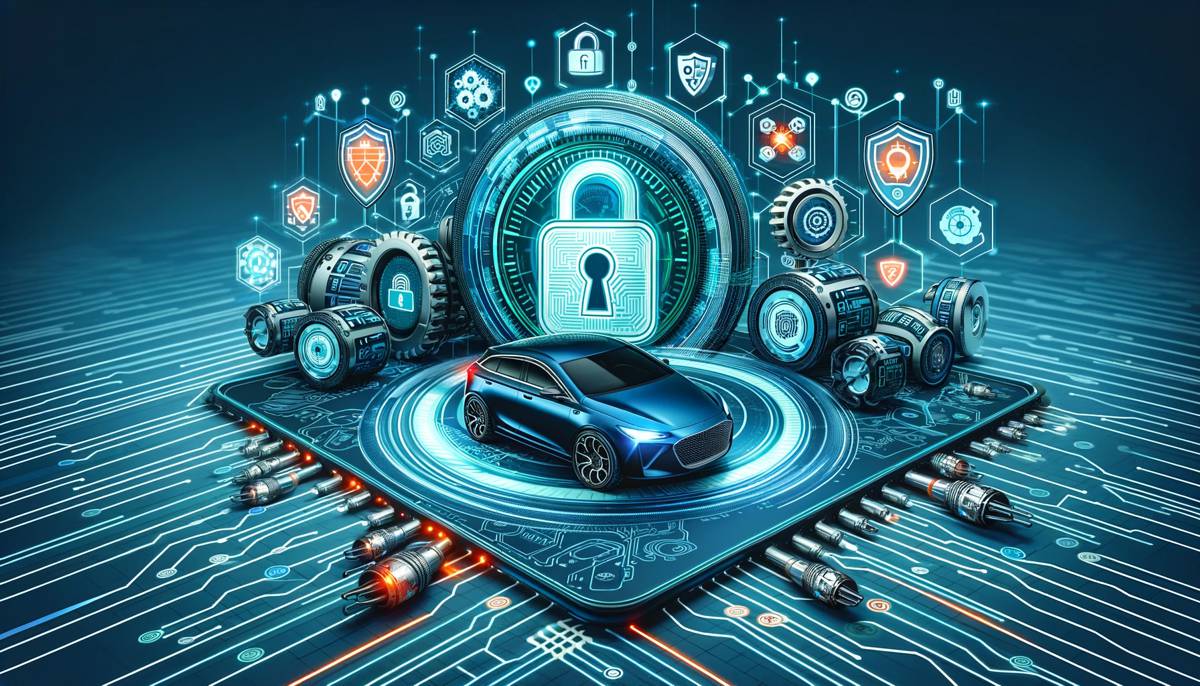
Automotive cybersecurity refers to the protection of automotive systems from cyberattacks. As vehicles evolve into connected and autonomous entities, the importance of robust cybersecurity measures cannot be overstated, particularly in automotive cyber security. Automotive cybersecurity is crucial for maintaining the safety and security of vehicle occupants, preventing unauthorized access, and protecting sensitive data. Without adequate automotive cybersecurity, vehicles become vulnerable to various cyber threats, potentially leading to severe consequences.
Overview of Automotive Systems
Modern vehicle systems are complex networks of electronic systems, including electronic control units (ECUs), infotainment systems, and communication modules. These automotive systems rely heavily on automotive software and connectivity, making them potential attack vectors for malicious actors. Understanding the architecture and functionality of these systems is essential for identifying vulnerabilities and implementing effective cybersecurity measures. The rise of electric vehicles and autonomous driving further amplifies the complexity and cybersecurity risks.
Role of Cybersecurity in Automotive
Cybersecurity in automotive plays a vital role in ensuring both safety and security. Effective cybersecurity management involves implementing security mechanisms to protect vehicle systems from cyber attacks and vulnerabilities. This includes employing intrusion detection systems, conducting regular cybersecurity risk assessments, and adhering to automotive cybersecurity standards such as ISO 26262. The goal is to establish a cybersecurity management system that covers the entire lifecycle of the vehicle, ensuring functional safety and cybersecurity.
Current Cybersecurity Threats in the Automotive Industry

Types of Cyber Threats
The automotive industry faces a wide array of cyber threats, each posing unique challenges to automotive cybersecurity. Common attack vectors include malware infections, ransomware attacks, and denial-of-service attacks targeting automotive systems, which require comprehensive security testing. Furthermore, vulnerabilities in automotive software and electronic control units (ECUs) can be exploited by malicious actors to gain unauthorized access. Addressing these cybersecurity threats requires a comprehensive and proactive cybersecurity management approach.
Recent Cyber Attacks on Automotive Companies
Recent years have witnessed a surge in cyber attacks targeting automotive companies, highlighting the increasing risks within the automotive sector. These attacks have resulted in significant financial losses, reputational damage, and disruptions to automotive systems and production, highlighting the security risks involved. High-profile incidents serve as a stark reminder of the There is a need for robust cybersecurity measures and constant vigilance to mitigate emerging security risks. in the face of evolving cybersecurity threats. These incidents have further cemented the importance of cybersecurity in automotive.
Impact of Vulnerabilities on Automotive Systems
Vulnerabilities within automotive systems can have far-reaching and severe consequences, underscoring the importance of automotive security.. Exploitation of these vulnerabilities can lead to unauthorized control of vehicle functions, theft of sensitive data, and compromise of passenger safety. In connected vehicle environments, the impact can extend beyond individual vehicles, potentially affecting entire fleets or transportation networks. Effective cybersecurity engineering is crucial for identifying and mitigating these vulnerabilities, ensuring the safety and security of vehicle occupants and infrastructure.
Connected Vehicles and Cybersecurity Challenges
Introduction to Connected Vehicles
Connected vehicles represent a paradigm shift in the automotive industry, offering enhanced convenience, entertainment, and safety features through seamless connectivity. However, this highlights the need for effective risk management in automotive cybersecurity. Increased connectivity also introduces new cybersecurity risks and challenges that must be addressed through effective threat analysis and risk assessment.. Connected vehicles rely on a complex network of sensors, communication modules, and automotive software, creating multiple attack vectors that malicious actors can exploit, necessitating robust vehicle cybersecurity. Securing connected vehicles requires a multi-layered approach that addresses both internal and external threats.
Unique Cybersecurity Risks
Connected vehicles face unique cybersecurity risks that differ from traditional automotive systems. These include vulnerabilities in telematics systems, infotainment units, and over-the-air (OTA) update mechanisms. The interconnected nature of connected vehicles also means that a single compromised vehicle can potentially be used as a gateway to attack other vehicles or backend systems. Robust cybersecurity measures, including intrusion detection systems and secure communication protocols, are essential for mitigating these risks and ensuring functional safety and cybersecurity.
Strategies for Securing Connected Vehicles
Securing connected vehicles requires a holistic and proactive approach, encompassing cybersecurity risk assessments, secure software development practices, and continuous monitoring. Implementing robust authentication and authorization mechanisms is crucial for preventing unauthorized access to vehicle systems. Additionally, adhering to automotive cybersecurity standards such as ISO 26262 and establishing a robust cybersecurity management system are essential for managing cybersecurity threats throughout the vehicle’s lifecycle. By prioritizing safety and security, the automotive industry can unlock the full potential of connected vehicles while minimizing the associated risks.
Automotive Cybersecurity Strategies and Measures

Implementing Comprehensive Security Measures
Implementing comprehensive cybersecurity measures is crucial for protecting automotive systems from evolving cyber threats. This involves adopting a multi-layered approach that encompasses hardware and automotive software security, network segmentation, and intrusion detection systems. Robust cybersecurity measures should also include regular cybersecurity risk assessments and penetration testing to identify and address potential vulnerabilities in embedded systems. The goal is to create a resilient and secure automotive cyber environment.
Functional Safety and Cybersecurity Standards (ISO)
Functional safety and cybersecurity standards, such as ISO 26262, play a vital role in ensuring the safety and security of automotive systems. These standards provide guidelines for developing and implementing automotive cybersecurity management systems that mitigate cybersecurity risks and ensure functional safety throughout the vehicle’s lifecycle. Adhering to these standards is essential for automotive manufacturers and suppliers to demonstrate compliance with industry best practices and regulatory requirements, reinforcing automotive security.
Best Practices for Automotive Software Security
Adhering to best practices for automotive software security is paramount for minimizing vulnerabilities and preventing cyber attacks. This includes employing secure coding practices, conducting thorough code reviews, and implementing robust testing procedures. Additionally, incorporating threat modeling and security architecture reviews into the software development lifecycle can help identify and mitigate potential cybersecurity threats early on. Prioritizing automotive software security enhances the overall resilience of automotive systems and contributes to the cybersecurity market.
The Future of Cybersecurity in the Automotive Market
Trends in Automotive Cybersecurity
Several key trends are shaping the future of cybersecurity in the automotive industry. The increasing connectivity of vehicles, driven by the rise of connected vehicle technologies and autonomous driving, is expanding the attack surface and introducing new cybersecurity risks. Furthermore, the growing complexity of automotive systems and the increasing reliance on automotive software are creating additional vulnerabilities that malicious actors can exploit. Addressing these trends requires proactive cybersecurity management and continuous innovation.
Emerging Technologies and Solutions
Emerging technologies and solutions are playing a crucial role in enhancing automotive cybersecurity. Artificial intelligence (AI) and machine learning (ML) are being used to develop advanced intrusion detection systems and threat intelligence platforms that can detect and respond to cyber attacks in real-time. Blockchain technology is also being explored for securing vehicle communications and over-the-air (OTA) updates. Embracing these innovative solutions is essential for staying ahead of evolving cybersecurity threats.
Preparing for Future Cybersecurity Challenges
Preparing for future cybersecurity challenges requires a proactive and holistic approach. Automotive companies must invest in cybersecurity engineering expertise and establish robust cybersecurity management systems that cover the entire vehicle lifecycle. Collaboration and information sharing among industry stakeholders are also crucial for staying ahead of emerging cybersecurity threats. By prioritizing safety and security, the automotive sector can mitigate risks and unlock the full potential of connected and autonomous vehicles.

What is automotive cyber and why is it critical for vehicle security?
Automotive cyber refers to the set of practices, technologies and policies aimed at protecting vehicles from digital threats. It is critical because modern vehicles rely on interconnected electronic control units, connected systems and driver assistance systems that, if compromised, can affect critical systems and passenger safety. Implementing appropriate cybersecurity measures throughout the vehicle lifecycle — including hardware security, software updates and network security — reduces potential cyber threats and protects the automotive value chain.
How does cyber security differ from traditional safety in automotive systems?
Cyber security focuses on protecting information, software and communication channels from intentional malicious actions, while traditional safety addresses accidental failures and physical hazards. In vehicles, safety and security must be integrated: security vulnerabilities can lead to safety incidents in critical systems or driver assistance systems. Requirements for cybersecurity now demand coordinated cybersecurity activities and cybersecurity risk management alongside safety engineering to ensure vehicles are secure and safe throughout automotive development.
What are common security gaps in automotive electronic and electrical systems?
Common security gaps include insecure network interfaces, outdated security modules, lack of encryption, poor access control and insufficient security updates. Electrical and electronic subsystems and automotive electronic components are often connected via in-vehicle networks that lack segmentation, enabling attackers to pivot to critical systems. Addressing these security gaps requires security controls, hardware security enhancements and continuous cybersecurity activities throughout the vehicle lifecycle.
Which cybersecurity solutions are effective for protecting connected systems and vehicle security?
Effective cybersecurity solutions combine secure automotive design, intrusion detection systems, secure boot and hardware security modules, secure communication protocols, regular security updates and lifecycle vulnerability management. Network security measures, secure automotive gateways and security functions embedded by automotive OEMs help protect connected systems and critical systems. Collaboration with security experts and following new standards ensures comprehensive coverage across the automotive value chain.
How should automotive OEMs implement cybersecurity throughout automotive development?
Automotive OEMs should integrate cybersecurity from concept through decommissioning: define requirements for cybersecurity, perform threat analysis and risk assessment, adopt secure-by-design principles, validate security functions, and maintain security incident response and patch management processes. Implementation of cybersecurity demands coordination between software, hardware and system teams, continuous cybersecurity awareness training and documentation to ensure vehicles are resilient to evolving threats.
What role do security updates and cybersecurity risk management play in preventing security incidents?
Security updates are crucial for patching security vulnerabilities discovered after vehicles are deployed. Cybersecurity risk management prioritizes which vulnerabilities and attack vectors to address based on potential impact to critical systems and users. Together they reduce the window of exposure, limit the impact of security incidents and ensure vehicles from cyber threats remain secure through regular monitoring, vulnerability disclosure processes and incident response plans.
Can hardware security and security modules stop potential cyber threats in vehicles?
Yes, hardware security components like secure elements, Trusted Platform Modules and dedicated security modules provide root-of-trust, secure key storage and tamper resistance that make attacks more difficult. When combined with software controls, network segmentation and secure communication, hardware security significantly raises the bar for attackers targeting automotive technology and connected systems, protecting critical systems and sensitive data.
How does the global cybersecurity market influence automotive security features and standards?
The cybersecurity market drives innovation in tools, services and standards that automotive OEMs and suppliers adopt to meet regulatory and consumer expectations. Growth in cybersecurity solutions incentivizes investment in security controls, security experts and new standard compliance across the global automotive industry. As a result, buyers see improved vehicle security features and stronger requirements for cybersecurity throughout the automotive value chain.
What practical steps can drivers and fleet operators take to improve vehicle cybersecurity?
Drivers and fleet operators should ensure security updates are applied promptly, change default passwords, limit the use of untrusted third-party devices, and use secure connectivity options. For fleets, implement centralized cybersecurity risk management, monitor for security incidents, and work with OEMs and suppliers to verify security functions. Increasing cybersecurity awareness among staff and drivers reduces human-driven vulnerabilities and strengthens overall vehicle security.