
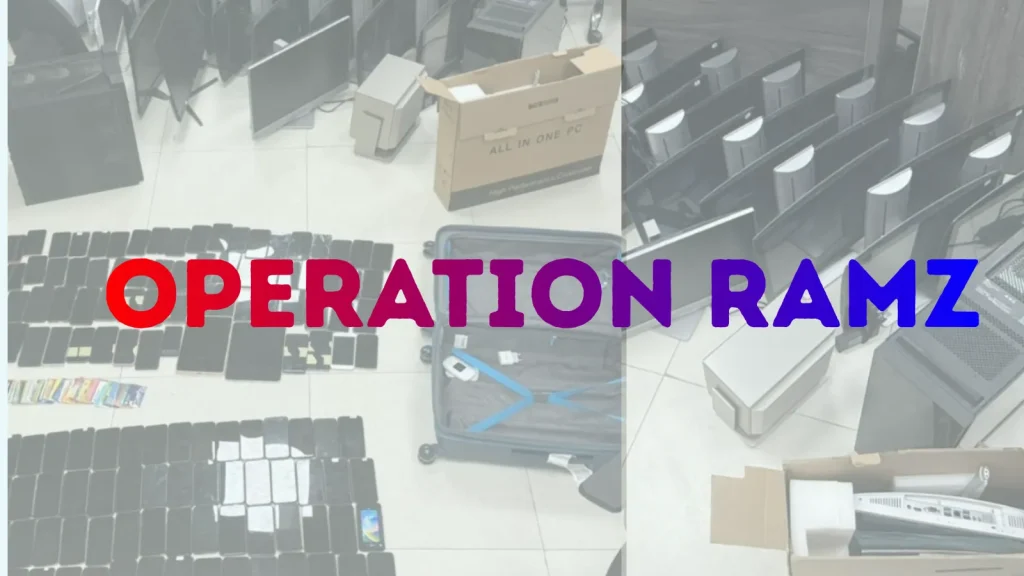
Operation Ramz Seizes 53 Servers Linked to Cyber Scams and Malware Threats
In a powerful demonstration of international cooperation against cybercrime, law enforcement agencies across the Middle East and North Africa (MENA) region recently dismantled a sprawling network of cyber scams and malware threats. This large-scale operation, dubbed Operation Ramz, spearheaded by INTERPOL, resulted in the seizure of 53 illicit servers, the arrest of 201 individuals, and the identification of 382 additional suspects. This unprecedented initiative underscores the growing global commitment to combating sophisticated cyber threats that plague individuals and organizations worldwide.
Operation Ramz: A Coordinated Strike Against Cybercrime
Operation Ramz, running from October 2025 to February 2026, marks a significant milestone as the first cybercrime initiative of its kind in the MENA region. The sheer scale of the operation highlights the pervasive nature of cyber threats, ranging from intricate phishing schemes to potent malware deployments. The seizure of 53 servers is particularly impactful, effectively disrupting the digital infrastructure that criminals rely on to facilitate their illicit activities. This action severely cripples their ability to launch further attacks, underscoring the importance of targeting the foundational elements of cybercrime operations.
Disrupting the Digital Underworld: Servers and Suspects
The success of Operation Ramz extends beyond merely taking servers offline. The arrest of 201 individuals directly involved in these cybercriminal enterprises sends a strong message: anonymity in the digital realm is rapidly diminishing. Furthermore, the identification of 382 additional suspects indicates a continued investigative process, suggesting that the long-term impact of this operation will be substantial. These actions collectively aim to dismantle organized cybercrime syndicates, thereby protecting countless potential victims from financial loss and data breaches.
Regional Cooperation: A New Paradigm for Cybersecurity
INTERPOL’s leadership in Operation Ramz showcases the critical role of international collaboration in cybersecurity. Cybercrime transcends national borders, making coordinated, cross-jurisdictional responses absolutely essential. This operation sets a precedent for future joint efforts, fostering greater intelligence sharing and strategic execution among law enforcement agencies. The focus on the MENA region, an area witnessing rapid digital transformation, is particularly strategic, addressing a crucial geographical hub for evolving cyber threats.
Understanding the Threats: Scams and Malware
While the specific types of cyber scams and malware employed by the seized networks were not fully detailed in the initial reports, similar operations frequently uncover a broad spectrum of threats. These can include:
- Phishing Campaigns: Deceptive emails or messages designed to trick users into revealing sensitive information.
- Ransomware: Malicious software that encrypts a victim’s files and demands payment for their release.
- Banking Trojans: Malware designed to steal financial credentials and perform unauthorized transactions.
- Business Email Compromise (BEC): Sophisticated scams targeting businesses to defraud them through fraudulent wire transfers.
The seizure of servers involved in such activities directly mitigates the risk posed by these pervasive threats, protecting both individuals and enterprises.
Remediation Actions for Individuals and Organizations
Although Operation Ramz has disrupted many cybercriminal operations, the threat landscape remains dynamic. Proactive measures are paramount for effective cyber defense. Here are key remediation actions:
- Patch Management: Regularly update all software, operating systems, and applications to their latest versions. This addresses known vulnerabilities like CVE-2023-38831, which could be exploited by attackers.
- Strong Authentication: Implement multi-factor authentication (MFA) on all accounts, especially for critical systems and online services. MFA significantly reduces the risk of account compromise.
- Employee Training: Conduct regular cybersecurity awareness training for all employees. Educate them on identifying phishing attempts, social engineering tactics, and the importance of secure online behavior.
- Network Segmentation: Isolate critical network segments to limit the lateral movement of attackers in case of a breach.
- Endpoint Protection: Deploy robust antivirus and endpoint detection and response (EDR) solutions across all devices.
- Regular Backups: Maintain consistent, isolated backups of critical data to ensure business continuity in the event of a ransomware attack or data loss.
- Incident Response Plan: Develop and regularly test a comprehensive incident response plan. Knowing how to react effectively minimizes damage during a cyber incident.
The Ongoing Battle Against Cybercrime
Operation Ramz stands as a potent reminder of the relentless efforts required to secure the digital domain. The success of this international crackdown demonstrates that with persistent effort, intelligence sharing, and coordinated action, law enforcement can significantly disrupt cybercriminal networks. While the landscape of cyber threats continues to evolve, operations like Ramz offer a beacon of hope, safeguarding our digital interactions and fostering a more secure online environment for everyone.




