
Browser Security: The New Endpoint Attack Surface
Browser Security Best Practices: The New Endpoint Attack Surface
In an era where digital interactions form the cornerstone of enterprise operations, the web browser has transitioned from a mere utility into a critical endpoint, becoming a primary target for sophisticated cyber threats. This article delves into the indispensable best practices for browser security, offering a comprehensive guide to safeguarding your organization against the evolving landscape of cyber attacks.
Understanding the Browser as an Endpoint

The Role of the Browser in Cybersecurity
The browser’s role in cybersecurity has fundamentally shifted, positioning it as a pivotal endpoint that demands robust protection within any enterprise security architecture. With nearly all cloud and SaaS applications being accessed through a web browser, it inherently becomes a primary attack vector for malicious actors seeking unauthorized access to sensitive data or systems. Traditional security measures, while vital, often overlook the unique vulnerabilities presented by browser-based activities, leaving significant gaps in an organization’s security posture. Effective browser security is no longer an ancillary concern but a foundational element of a comprehensive enterprise security strategy, requiring dedicated attention from security teams to prevent breaches.
Identifying the Attack Surface of Browsers
The attack surface of browsers is expansive and constantly evolving, encompassing various elements that an attacker can exploit. This includes vulnerabilities within the browser itself, often stemming from outdated versions or misconfigurations, as well as the myriad browser extensions that users frequently install. Malicious browser extensions, in particular, pose a significant threat, capable of hijacking sessions, stealing credentials, or injecting malware into legitimate web traffic. Moreover, the dynamic nature of web content and the increasing reliance on untrusted external resources further amplify the potential for phishing attacks, cross-site scripting, and other web-based exploits. Gaining complete visibility and control over this attack surface is paramount for any security solution aiming to safeguard enterprise assets.
How Browsers Serve as Attack Vectors
Browsers serve as highly effective attack vectors due to their direct interface with both internal enterprise applications and the broader internet, making them an attractive target for cyber threats. Attackers leverage browser vulnerabilities to deliver ransomware, deploy keyloggers, or execute sophisticated phishing campaigns designed to trick users into divulging sensitive information. The execution of malicious code within the browser’s runtime environment can bypass traditional endpoint security controls, allowing unauthorized access or data exfiltration. Without proper browser security, an attacker can exploit seemingly innocuous browser activity to initiate a breach, underscoring the critical need for advanced browser security solutions that offer real-time protection and policy enforcement to safeguard sensitive data and maintain a strong security posture.
Browser Security Solutions
Traditional Security Measures vs. Modern Solutions
The evolution of cyber threats necessitates a re-evaluation of traditional security measures, particularly concerning browser security. While firewalls, antivirus software, and intrusion detection systems remain integral components of an enterprise’s security architecture, they often fall short in addressing the sophisticated, browser-based attacks prevalent today. Traditional endpoint security solutions typically focus on signature-based detection and network perimeter defense, which can be easily bypassed by polymorphic malware or advanced phishing attacks executed within the browser’s runtime environment. Modern browser security solutions, in contrast, offer real-time visibility and control over browser activity, applying granular security policies and isolating untrusted web content to safeguard sensitive data and maintain a robust security posture against evolving cyber threats. Modern solutions pivot from reactive defense to proactive threat mitigation, offering comprehensive protection against browser-based vulnerabilities and exploits. An enterprise browser, for instance, centralizes management and enforces security policies across all user sessions, providing an unparalleled level of control compared to relying on individual user configurations. These advanced security platforms are designed to detect and neutralize malicious browser extensions, prevent credential theft, and block unauthorized access attempts by continuously monitoring browser activity and applying behavioural analytics. This integrated approach not only enhances an organization’s security posture but also significantly reduces the attack surface by ensuring that all browser interactions adhere to stringent security policies, thereby safeguarding enterprise applications and sensitive data from sophisticated cyber threats and breaches.
Implementing Effective Browser Security Solutions
Implementing effective browser security solutions requires a strategic approach that integrates advanced technologies with comprehensive security policies and user education. The deployment of an enterprise browser is a foundational step, as it allows security teams to centralize management, enforce uniform security controls, and gain complete visibility into all browser-based activity. This centralization is crucial for identifying and mitigating potential threats, such as malicious browser extensions or attempts to exploit browser vulnerabilities, before they can compromise enterprise assets. Furthermore, integrating the browser security solution with existing security stacks enhances its efficacy, enabling seamless data sharing and coordinated response to cyber threats, thereby strengthening the overall security posture of the enterprise. To effectively safeguard the browser, organizations must prioritize solutions that offer robust runtime security and real-time threat detection. This involves deploying technologies capable of isolating untrusted websites, preventing the execution of malicious code within the browser, and providing continuous authentication mechanisms to protect against credential theft. Regular audits of browser configurations and immediate patching of identified vulnerabilities are also critical components of a proactive security strategy. By ensuring that proper browser security measures are in place, security teams can significantly reduce the attack surface, mitigate the risk of phishing attacks and malware infections, and protect sensitive data from unauthorized access, ultimately enhancing the enterprise’s resilience against a wide array of cyber threats.
Best Practices for Securing the Browser
Securing the browser effectively involves a multi-faceted approach that combines advanced technology with rigorous security policies and user awareness. One of the best practices is to adopt an agentic browser or an enterprise browser, which provides security teams with centralized visibility and control over all browser activity. This allows for the enforcement of granular security policies, such as preventing the installation of untrusted browser extensions, blocking access to malicious websites, and isolating sensitive enterprise applications. Regular updates to the browser and its extensions are paramount to patch known vulnerabilities, thereby reducing the attack surface and mitigating the risk of exploits that attackers often leverage to gain unauthorized access or deploy malware. Another critical best practice is to implement robust authentication mechanisms and continuously monitor for suspicious browser activity to prevent credential theft and session hijacking. Deploying advanced threat detection capabilities that can identify and block phishing attacks in real-time is essential, as these attacks frequently use the browser as their primary attack vector. Furthermore, educating users on the dangers of clicking on untrusted links, downloading unauthorized content, and recognizing social engineering tactics significantly strengthens the organization’s overall security posture. By combining a comprehensive security solution with continuous vigilance and user education, enterprises can effectively safeguard their sensitive data and maintain a strong defense against the ever-evolving landscape of cyber threats.
The Importance of Browser Extensions

Evaluating Browser Extensions for Security
Evaluating browser extensions for security is a critical component of maintaining a robust security posture within any enterprise architecture. While many extensions enhance productivity and user experience, they also introduce potential vulnerabilities and expand the attack surface, making them attractive targets for malicious actors. Security teams must implement stringent policies and employ advanced browser security solutions to assess each extension’s permissions, code integrity, and reputation before allowing its deployment across the enterprise. Without proper scrutiny, a seemingly innocuous browser extension can become a potent attack vector, facilitating credential theft, data exfiltration, or the injection of malware, thereby compromising sensitive data and undermining the overall security controls. The process of evaluating browser extensions should involve a multi-layered approach that leverages real-time threat intelligence and behavioral analytics. This includes verifying the developer’s credibility, reviewing user feedback, and, most importantly, scrutinizing the permissions an extension requests. An extension demanding excessive permissions—such as access to all website data or the ability to modify web content—should raise immediate red flags. An effective browser security solution, particularly an enterprise browser, can provide the necessary visibility and control to centralize this evaluation process, enforcing security policies that prevent the installation of untrusted or high-risk browser extensions. This proactive stance is crucial for safeguarding the browser and securing the endpoint against sophisticated cyber threats.
Common Risks Associated with Extensions
Browser extensions, while offering enhanced functionality, are inherently associated with several common risks that can severely impact enterprise security. One primary risk is the potential for data exfiltration; a malicious browser extension can be designed to capture sensitive data, including login credentials, financial information, or proprietary business data, and transmit it to an attacker. Another significant threat involves session hijacking, where an extension exploits vulnerabilities to take over a user’s authenticated session, granting unauthorized access to enterprise applications and resources. Furthermore, extensions can introduce malware or adware, leading to system degradation, persistent annoying advertisements, or even ransomware attacks that cripple operations. The lack of robust security controls and visibility into browser activity exacerbates these risks, making it difficult for security teams to detect and mitigate threats in real-time. Malicious browser extensions can operate stealthily within the browser’s runtime environment, bypassing traditional security measures and exploiting vulnerabilities without user awareness. This expands the attack surface significantly, making it easier for an attacker to launch phishing attacks, deploy keyloggers, or manipulate web content for deceptive purposes. Therefore, securing the browser by actively managing and monitoring extensions through an enterprise browser security platform is paramount to safeguard against these pervasive cyber threats and maintain a strong security posture.
Best Practices for Safe Extension Usage
Implementing best practices for safe extension usage is fundamental to mitigating the risks posed by browser extensions and fortifying the enterprise’s security posture. First and foremost, security teams should establish and enforce clear security policies regarding extension installation, ideally limiting users to a pre-approved list of extensions that have undergone rigorous security vetting. An enterprise browser or an agentic browser can centralize this control, providing granular visibility and control over all browser activity and preventing the deployment of untrusted extensions. This proactive policy enforcement is vital for reducing the attack surface and protecting sensitive data from potential breaches. Furthermore, it is crucial to regularly audit installed extensions, ensuring they remain up-to-date and have not been compromised or acquired by malicious entities. Users should be educated on the importance of granting minimal necessary permissions to extensions and understanding the potential implications of each permission request. Deploying a comprehensive browser security solution that offers real-time threat detection and runtime security can further safeguard the browser by identifying and blocking malicious browser extensions or behaviours. By adopting these best practices, organizations can effectively centralize control, enhance their security controls, and protect against the evolving landscape of browser-based cyber threats, ensuring the integrity of their enterprise applications and sensitive data.
Phishing Attacks and Browser Security

Understanding Phishing Attacks in the Browser Context
Phishing attacks represent a pervasive and sophisticated cyber threat, frequently leveraging the web browser as their primary attack vector to compromise enterprise security. These malicious campaigns are meticulously crafted to deceive users, often impersonating trusted entities to trick individuals into divulging sensitive data such as login credentials, financial information, or proprietary business data. Within the browser context, an attacker can exploit vulnerabilities in websites or utilize malicious browser extensions to inject deceptive content, redirect users to fake login pages, or trigger the download of malware. Understanding these browser-based tactics is paramount for security teams to develop robust security policies and deploy effective browser security solutions that safeguard sensitive data and maintain a strong security posture against credential theft and other cyber threats. The insidious nature of phishing attacks lies in their ability to bypass traditional security controls by manipulating user trust and exploiting human psychology. Attackers leverage sophisticated social engineering techniques, often through email or instant messaging, to initiate the attack, but the final stage of data exfiltration frequently occurs within the browser’s runtime environment. This makes securing the browser a critical priority, as even a highly trained user can fall victim to a well-executed phishing attempt. Therefore, a comprehensive browser security solution must provide real-time threat detection, advanced authentication mechanisms, and granular visibility and control over browser activity to effectively combat these pervasive cyber threats and protect enterprise applications from unauthorized access and data breaches.
Strategies to Mitigate Phishing Risks
Mitigating phishing risks demands a multi-faceted approach that integrates advanced browser security solutions with robust security policies and continuous user education. A foundational strategy involves deploying an enterprise browser that offers centralized visibility and control over all browser activity, enabling security teams to enforce stringent security policies and prevent access to untrusted or malicious websites. This proactive policy enforcement is crucial for reducing the attack surface and safeguarding sensitive data from phishing attempts that often exploit browser vulnerabilities or leverage malicious browser extensions. Implementing real-time threat detection capabilities within the browser is also essential to identify and block phishing attacks before they can compromise user credentials or inject malware into the enterprise network. Furthermore, strengthening authentication mechanisms, such as multi-factor authentication (MFA), can significantly reduce the impact of successful phishing attacks by preventing an attacker from gaining unauthorized access even if credentials are stolen. Regular security awareness training for all employees is equally vital, teaching them to recognize the hallmarks of phishing attempts, report suspicious emails, and understand the dangers of clicking on untrusted links. By combining advanced browser security solutions with robust security controls and a culture of vigilance, organizations can significantly enhance their security posture, protect enterprise applications, and effectively mitigate the persistent threat of phishing attacks and other browser-based cyber threats.
Posture Management Against Phishing Attacks
Effective posture management against phishing attacks is critical for maintaining a resilient security posture and safeguarding sensitive data within the enterprise. This involves a continuous process of monitoring, assessing, and improving security controls specifically tailored to browser-based threats. Deploying an enterprise browser security solution that provides granular visibility into browser activity and runtime security is a key component, allowing security teams to enforce security policies, manage browser extensions, and detect unusual behavior that may indicate a phishing attempt. This proactive approach helps to centralize control over the attack surface and mitigate vulnerabilities that an attacker could exploit to launch malicious campaigns. Regular vulnerability assessments and penetration testing focused on the browser and its interactions with enterprise applications are also essential for identifying potential weaknesses before they can be exploited. Furthermore, integrating threat intelligence feeds into the security platform enables real-time threat detection and rapid response to emerging phishing tactics. By continuously refining security policies, updating browser configurations, and ensuring that all users adhere to best practices for safe browsing, organizations can effectively strengthen their security posture against phishing attacks, protect against credential theft, and ensure the integrity of their enterprise data and intellectual property against persistent cyber threats.
Enterprise Security Considerations
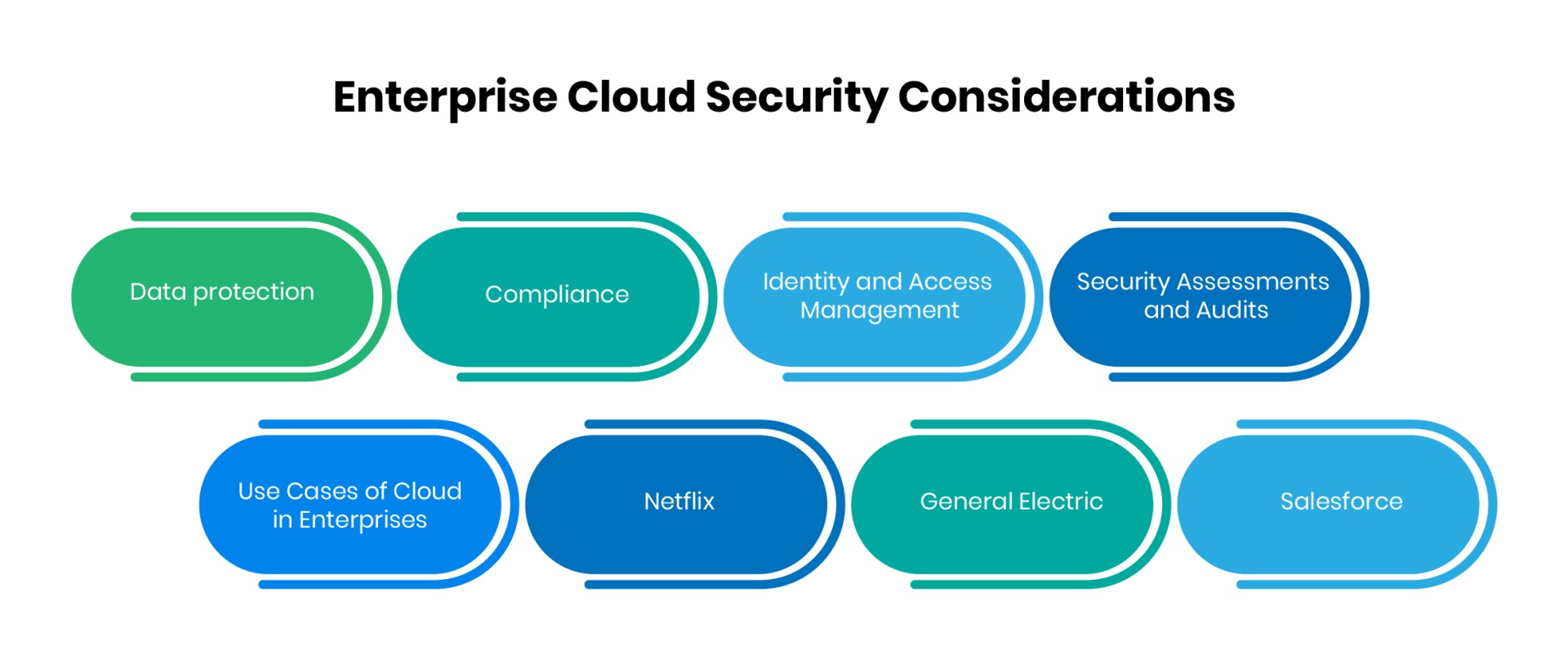
Securing the Browser in Enterprise Environments
Securing the browser within enterprise environments is paramount for safeguarding sensitive data and intellectual property against a wide array of cyber threats. Teamwin Global Technologica offers a comprehensive suite of IT security solutions tailored to this challenge, recognizing the browser as a critical endpoint attack surface. Our approach integrates advanced firewalls, robust endpoint security, and privileged access management (PAM) to create a formidable defense. We emphasize Endpoint Protection Management (EPM) and an Endpoint Privilege Tool like AdminbyRequest, which manages local admin privileges to prevent an attacker from exploiting browser vulnerabilities or malicious browser extensions for unauthorized access. By providing cutting-edge solutions like SentinelOne and Crowdstrike for robust endpoint security, we ensure that the web browser, a primary vector for phishing attacks and malware, is meticulously protected, thereby enhancing the overall security posture and ensuring reliable IT operations. Our commitment to enterprise security extends beyond traditional measures, incorporating enterprise CCTV and biometric systems to ensure physical security complements digital safeguards. Teamwin Global Technologica’s expertise in cloud security and regulatory assurance also addresses compliance needs, which are often overlooked in browser security discussions. We deliver enterprise AI-driven next-generation firewalls and advanced cybersecurity services, including proactive threat detection and managed security services, to continuously monitor and protect against evolving browser-based threats. Our tailored security compliance frameworks ensure that all browser activities adhere to stringent security policies, providing comprehensive access security and preventing data breaches, ultimately securing the entire enterprise architecture against persistent cyber threats and maintaining a strong security posture.
Integrating Browser Security in Overall Enterprise Strategy
Integrating browser security into an overall enterprise strategy is a critical undertaking for safeguarding enterprise data and intellectual property, a core mission for Teamwin Global Technologica. We empower our clients with a comprehensive suite of IT security solutions, including robust endpoint security, privileged access management (PAM), and endpoint protection management (EPM), all designed to fortify the browser as a key endpoint. Our approach emphasizes a custom-tailored strategy, ensuring that browser security solutions, such as enterprise browsers with centralized visibility and control, seamlessly fit into the existing IT infrastructure, offering the best value for money and reliable, efficient protection against cyber threats. We believe in educating our clients to make informed decisions, ensuring they understand how proper browser security enhances their overall security posture and reduces the attack surface for malicious actors. Teamwin Global Technologica’s comprehensive suite of end-to-end IT infrastructure and security services is built to protect businesses of all sizes, with browser security as a foundational component. We provide both passive and active networking capabilities, along with 24/7 support and monitoring, ensuring immediate assistance and reliable solutions for any browser-related security incident. Our commitment to delivering high-quality solutions means we help centralize the management of security policies, prevent malicious browser extensions, and safeguard enterprise applications from unauthorized access. By integrating advanced browser security solutions into the broader enterprise security architecture, we ensure that sensitive data remains protected, minimizing the risk of a breach and reinforcing the enterprise’s resilience against the ever-evolving landscape of cyber threats.
Monitoring and Responding to Cybercriminal Threats
Effective monitoring and rapid response to cybercriminal threats are paramount for safeguarding enterprise data and intellectual property, a primary purpose for Teamwin Global Technologica. Our advanced security technologies are designed to provide continuous real-time Dark Web monitoring, offering proactive threat management services that focus on vigilantly monitoring for cyber threats and implementing rapid responses to prevent and mitigate attacks, particularly those targeting the browser as a critical endpoint. Our tech teams are continuously trained on the latest IT and ITES technologies, ensuring they are equipped to detect and neutralize sophisticated browser-based exploits, phishing attacks, and malware in real-time. We offer 24/7 support and monitoring, ensuring immediate assistance and reliable solutions to maintain a strong security posture. An Expert Network Security Assessment conducted by Teamwin Global Technologica identifies security vulnerabilities within the browser and across the network, enabling us to plan comprehensive solutions. Our focus on the IT Security Manager / Security Analyst persona ensures that threat detection, incident response, and endpoint/network protection are seamlessly integrated, providing granular visibility and control over all browser activity. This allows us to rapidly identify and respond to malicious browser extensions, credential theft attempts, or any unauthorized access, thereby securing the browser and preventing a breach. By providing continuous authentication and policy enforcement, we effectively centralize control over the attack surface, ensuring that sensitive data and enterprise applications are protected against evolving cyber threats.