BTMob Fraud-as-a-Service Platform Uses 1,400 Live Servers to Power Android Device Takeovers
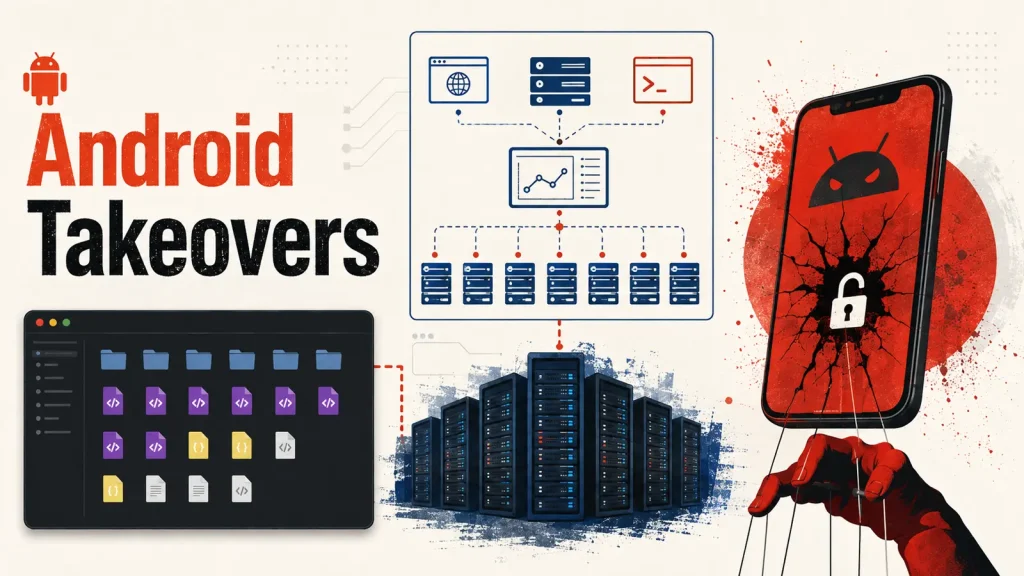
The digital landscape, while offering unparalleled convenience, harbors increasingly sophisticated threats. Among these, mobile malware, particularly those targeting Android devices, poses a significant risk to personal and financial security. A recent alarming development spotlights BTMob, a sophisticated Fraud-as-a-Service (FaaS) platform leveraging an extensive network of 1,400 live servers to orchestrate widespread Android device takeovers. This operation underscores the evolving nature of cybercrime, where illicit services are commoditized and made accessible to a broader range of malicious actors.
Understanding the BTMob Threat
BTMob is not merely a piece of malware; it’s a comprehensive platform designed to transform compromised Android smartphones into powerful tools for financial fraud. Operating as a FaaS model, it democratizes access to advanced cybercrime capabilities, allowing even less technically proficient individuals to launch sophisticated attacks. Its primary objective is to gain unauthorized access to banking applications and sensitive personal data on victim devices, facilitating direct financial theft.
Infection Vectors and Initial Compromise
The ingenuity of BTMob lies in its deceptive distribution methods. Attackers employ various tactics to ensnare unsuspecting users:
- Fake Applications: Malicious actors create and distribute counterfeit Android applications that mimic legitimate software. These fake apps often appear on unofficial app stores, third-party download sites, or even through compromised legitimate channels. Once installed, they surreptitiously deploy the BTMob malware.
- Cloned Download Pages: Sophisticated phishing campaigns involve creating exact replicas of legitimate application download pages. Users are lured to these fake pages through deceptive links in emails, SMS messages, or social media, believing they are downloading a trusted app. Instead, they are downloading the BTMob payload.
- Customer Support Impersonation: A particularly insidious method involves impersonating customer support from banks or other service providers. Victims receive messages (SMS, email, or instant messaging) that appear to be routine customer service communications, often prompting them to download an “update” or a “security fix” which is, in reality, the BTMob malware.
Post-Compromise Capabilities and Data Exfiltration
Once BTMob successfully infiltrates an Android device, it grants the attackers a disturbing array of capabilities, effectively turning the user’s phone into a remote-controlled fraud instrument:
- Screen Monitoring: The malware can remotely monitor the device’s screen, allowing criminals to observe everything the user does, including typing passwords, navigating banking apps, and viewing sensitive information.
- Information Theft: BTMob is engineered to steal a wide range of personal and financial data. This includes banking credentials, credit card numbers, one-time passwords (OTPs), contact lists, and potentially even data from other installed applications.
- Interference with Banking Activity: Beyond mere data theft, BTMob can actively interfere with legitimate banking transactions. This could involve intercepting SMS messages containing OTPs, initiating unauthorized transfers, or manipulating app interfaces to trick users into approving fraudulent activities.
The extensive server infrastructure, comprising 1,400 live servers, is crucial for BTMob’s operation. These servers likely function as command-and-control (C2) centers, distributing malware, receiving exfiltrated data, and issuing commands to compromised devices. This distributed network enhances the platform’s resilience and makes it harder to dismantle.
Remediation Actions
Protecting against advanced Android banking malware like BTMob requires a multi-layered approach to cybersecurity. Individuals and organizations must adopt robust practices to minimize their risk exposure.
- Strict Application Sourcing: Always download applications exclusively from official and trusted sources, such as the Google Play Store. Avoid third-party app stores, direct downloads from websites, or links in unsolicited messages.
- Verify Sender Identity: Be extremely cautious of unsolicited messages (emails, SMS, chat apps) that prompt you to download software, click links, or provide personal information. Always verify the sender’s identity through an independent channel (e.g., calling the official customer service number) before taking any action.
- Scrutinize App Permissions: Before installing any application, carefully review the permissions it requests. If an app requests permissions that seem excessive or unrelated to its core functionality (e.g., a calculator app requesting SMS access), it’s a significant red flag.
- Maintain Software Updates: Keep your Android operating system and all installed applications updated. Software updates frequently include security patches that address known vulnerabilities.
- Utilize Mobile Security Solutions: Install a reputable mobile antivirus or anti-malware solution on your Android device. These tools can help detect and block malicious applications before they can cause harm.
- Enable Multi-Factor Authentication (MFA): Implement MFA wherever possible, especially for banking and other critical online accounts. Even if credentials are stolen, MFA adds an additional layer of security.
- Regularly Back Up Data: Periodically back up important data on your device to a secure location. This can mitigate the impact of data loss in case of a successful compromise.
- Be Wary of Phishing: Educate yourself on the signs of phishing attempts. Look for inconsistencies in URLs, grammatical errors, and suspicious requests for information.
The Ongoing Battle Against Mobile Malware
The emergence of platforms like BTMob signifies a worrying trend: the professionalization and scaling of cybercrime through the FaaS model. This makes it easier for a wider range of criminals to launch sophisticated attacks. The sheer scale of BTMob’s infrastructure, utilizing 1,400 live servers, highlights the significant resources and organization behind these malicious operations.
For IT professionals and security analysts, understanding these evolving threats is paramount. Organizations must implement robust mobile device management (MDM) policies, provide security awareness training to employees, and deploy advanced threat detection systems capable of identifying and mitigating mobile-specific risks.
In conclusion, BTMob represents a formidable threat to Android users, demonstrating the sophistication and scale of modern mobile malware operations. By understanding its mechanisms and adopting proactive security measures, individuals and enterprises can significantly reduce their vulnerability to such pervasive fraud platforms.