CISA Warns Medusa Ransomware Hackers Steal Data, Kill Security Tools, and Encrypt Entire Networks
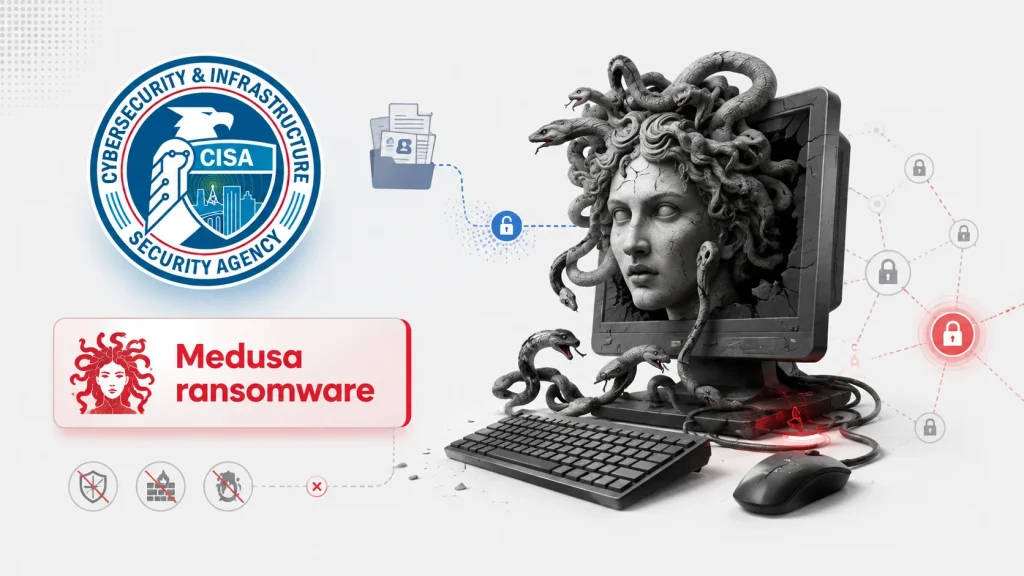
The digital landscape is under constant siege, and a new warning from top U.S. cybersecurity agencies underscores the persistent and evolving threat. The Cybersecurity and Infrastructure Security Agency (CISA), in collaboration with the Federal Bureau of Investigation (FBI) and the U.S. Department of Health and Human Services (HHS), has issued an urgent advisory regarding the Medusa ransomware gang. This updated alert, AA25-071A, details a sophisticated and aggressive modus operandi: Medusa actors are actively infiltrating enterprise networks, systematically disabling security tools, exfiltrating sensitive data, and encrypting entire systems. This post delves into the specifics of this threat, providing critical insights for organizations to bolster their defenses.
Understanding the Medusa Ransomware Threat
Medusa ransomware is not new, but its recent activity highlights a significant escalation in its tactics. The advisory from CISA, FBI, and HHS confirms that these threat actors are not merely opportunistic; they are strategic. Their attacks are characterized by a multi-pronged approach that targets the very foundations of an organization’s cybersecurity posture. The goal is clear: maximize disruption and financial gain by holding critical data and operational continuity hostage.
A key differentiator of Medusa’s recent campaigns is their focus on pre-encryption data exfiltration. This means that even if an organization manages to restore its systems from backups, the sensitive data stolen during the breach could still be leveraged for extortion, sale on dark web markets, or future attacks. This double-extortion tactic significantly increases the stakes for victims.
Medusa’s Attack Vector and Tactics
While the initial compromise vectors can vary, Medusa ransomware operations frequently leverage common vulnerabilities and misconfigurations to gain initial access. Once inside a network, their actions are methodical:
- Disabling Security Tools: A critical step in their playbook is to neutralize an organization’s defenses. This includes endpoint detection and response (EDR) solutions, antivirus software, and other security agents. By blinding security teams, Medusa actors can operate with greater stealth and efficiency.
- Lateral Movement: After gaining initial access, the attackers employ various techniques to move laterally across the network, identifying and compromising additional systems. This often involves exploiting weak credentials, unpatched vulnerabilities, or misconfigured services.
- Data Exfiltration: Before encryption, Medusa operators meticulously identify and exfiltrate sensitive data. This can include intellectual property, customer data, financial records, and personally identifiable information (PII).
- Network-Wide Encryption: The final stage involves deploying the Medusa ransomware payload to encrypt as many systems as possible, rendering them inaccessible and causing significant operational paralysis.
Remediation Actions and Proactive Defenses
Defending against sophisticated threats like Medusa ransomware requires a comprehensive and proactive approach. Organizations must assume they are targets and implement robust security measures. CISA, FBI, and HHS recommend several critical actions:
- Implement Multi-Factor Authentication (MFA): Mandate MFA for all services, especially for remote access, privileged accounts, and cloud services. This significantly reduces the risk of credential compromise.
- Regularly Back Up Data: Maintain regular, isolated, and tested backups of all critical data. Ensure these backups are stored offline or in immutable storage to prevent their compromise during an attack.
- Patch and Update Systems: Prioritize patching known vulnerabilities, especially those frequently exploited by ransomware gangs. This includes operating systems, applications, and network devices.
- Network Segmentation: Implement strong network segmentation to limit lateral movement. This can restrict the impact of a breach to a smaller segment of the network.
- Endpoint Detection and Response (EDR): Deploy and properly configure EDR solutions to detect and respond to suspicious activity on endpoints. Ensure these tools are actively monitored.
- Security Awareness Training: Educate employees about phishing, social engineering, and other common attack vectors. A well-informed workforce is a critical line of defense.
- Incident Response Plan: Develop, test, and regularly update an incident response plan. Knowing how to react quickly and effectively can minimize damage.
- Disable Unnecessary Services: Reduce the attack surface by disabling any unused ports, services, and protocols.
Tools for Detection and Mitigation
Leveraging appropriate cybersecurity tools is essential for effective defense against Medusa ransomware. Here’s a table outlining key tool categories and their purpose:
| Tool Category | Purpose | Examples / Link |
|---|---|---|
| Endpoint Detection & Response (EDR) | Detects and responds to malicious activities on endpoints, often including ransomware. | Gartner Peer Insights EDR Category |
| Vulnerability Scanners | Identifies weaknesses and misconfigurations in networks and applications. | Tenable Nessus, Rapid7 InsightVM |
| Security Information and Event Management (SIEM) | Aggregates and analyzes security logs for threat detection and incident response. | Splunk Enterprise Security, Elastic SIEM |
| Intrusion Detection/Prevention Systems (IDS/IPS) | Monitors network traffic for suspicious activity and can block attacks. | Snort, Palo Alto Networks NGFW |
| Cloud Access Security Brokers (CASB) | Provides visibility and control over data and users in cloud environments. | Netskope, Microsoft Defender for Cloud Apps |
Staying Vigilant: A Continuous Effort
The updated advisory on Medusa ransomware from CISA, FBI, and HHS serves as a stark reminder that cyber threats are constantly evolving. Organizations must move beyond static defenses and embrace a dynamic security posture. This involves continuous monitoring, regular vulnerability assessments, and an unwavering commitment to employee training and incident preparedness. By understanding the tactics of groups like Medusa and implementing the recommended remediation actions, businesses can significantly reduce their risk profile and safeguard their operations against these destructive attacks.