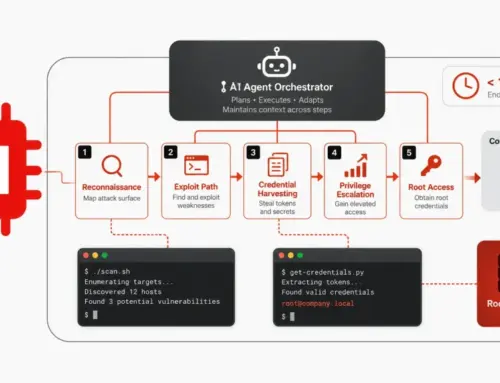
ASUS Control Center Flaw Allows Attackers to Gain Full Admin Control of the System
Urgent Alert: Critical ASUS Control Center Flaw Puts Systems at Full Risk
A severe security vulnerability has been uncovered in ASUS Control Center Enterprise (ACC), posing an immediate and significant threat to organizations utilizing the platform. This critical flaw, identified by researchers, grants remote attackers complete administrative control over the ACC platform and all managed devices without requiring authentication or user interaction. The implications are profound, demanding immediate attention from IT professionals and cybersecurity teams.
ASUS has acted swiftly, releasing an urgent security update to address this maximum-severity issue. Understanding the nature of this vulnerability and implementing the provided patch is paramount to safeguarding your infrastructure.
Understanding CVE-2026-75754: The Maximum-Severity Threat
The vulnerability, officially tracked as CVE-2026-75754, has been assigned a CVSS 4.0 score of 10.0 – the highest possible rating. This perfect score underscores the extreme danger posed by the flaw. Such a rating indicates that the vulnerability is easily exploitable, requires no special privileges, and can lead to a complete compromise of the affected system’s confidentiality, integrity, and availability.
In this specific case, remote attackers can leverage CVE-2026-75754 to gain full administrative control. This means an unauthorized actor could potentially:
- Execute arbitrary code on the ACC server.
- Manipulate or delete data on all managed devices.
- Deploy malware across the entire network.
- Exfiltrate sensitive organizational data.
- Disrupt critical business operations.
The absence of any authentication requirement makes this flaw particularly dangerous, enabling opportunistic attacks that do not rely on credential compromise or social engineering.
Impact on ASUS Control Center Enterprise Users
Organizations relying on ASUS Control Center Enterprise for centralized management of their ASUS devices are directly exposed to this threat. ACC is designed to streamline IT administration, offering features like remote monitoring, software deployment, and system updates. While these features enhance operational efficiency, a compromise of the ACC server effectively turns this central management tool into a weapon against the very infrastructure it is meant to protect.
The scope of impact extends to every endpoint managed by the vulnerable ACC instance, potentially granting attackers unfettered access to a wide array of devices within an enterprise network, from workstations and servers to specialized equipment.
Remediation Actions: Securing Your Infrastructure
Given the critical nature of CVE-2026-75754, immediate action is imperative. ASUS has released a security update to address this flaw. The primary remediation step is to apply this update without delay.
- Update ASUS Control Center Enterprise: Access the official ASUS support channels or your ACC administrative interface to download and install the latest security patch. Ensure your ACC version is updated to the one that mitigates CVE-2026-75754.
- Review Network Segmentation: While applying the patch is crucial, robust network segmentation can limit the lateral movement of an attacker even if an initial compromise occurs. Ensure your ACC server is isolated from less-trusted network segments.
- Implement Strong Access Controls: Regularly audit user accounts and permissions within ACC. Adhere to the principle of least privilege.
- Monitor for Suspicious Activity: Enhance monitoring on your ACC server and managed endpoints for any unusual network traffic, unauthorized process execution, or configuration changes.
- Backup Critical Data: Maintain up-to-date backups of all critical data and system configurations to facilitate recovery in the event of a compromise.
Recommended Tools for Detection and Mitigation
While the primary defense is the vendor patch, several cybersecurity tools can assist in monitoring and reinforcing your posture.
| Tool Name | Purpose | Link |
|---|---|---|
| Vulnerability Scanners (e.g., Nessus, OpenVAS) | Identify unpatched software and known vulnerabilities on your network. | Nessus / OpenVAS |
| Network Intrusion Detection/Prevention Systems (NIDS/NIPS) | Detect and potentially block malicious network traffic patterns. | Snort / Suricata |
| Endpoint Detection and Response (EDR) Solutions | Monitor endpoint activity for suspicious behavior and respond to threats. | (Vendor Specific – e.g., CrowdStrike, SentinelOne) |
| Security Information and Event Management (SIEM) | Aggregate and analyze security logs from various sources for threat detection. | (Vendor Specific – e.g., Splunk, Elastic SIEM) |
Protecting Your Enterprise from Critical Vulnerabilities
The discovery of CVE-2026-75754 serves as a stark reminder of the continuous need for vigilance in cybersecurity. Critical vulnerabilities, especially those with maximum severity scores, demand immediate and decisive action. Organizations must prioritize patch management, maintain robust security postures, and stay informed about emerging threats.
By promptly applying the ASUS security update and reinforcing existing security measures, enterprises can significantly reduce their attack surface and protect their critical assets from potential exploitation.