
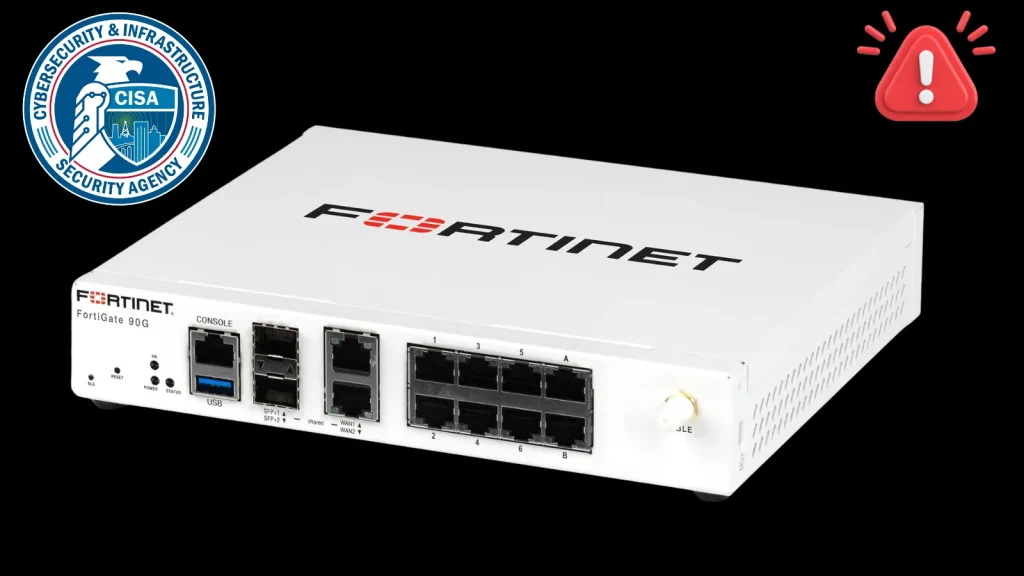
CISA Urges Hardening Fortinet Devices Following FortiBleed Attack
CISA Sounds the Alarm: Urgent Hardening of Fortinet Devices Critical After “FortiBleed” Credential Exposure
The digital landscape is under constant siege, and even the most robust security infrastructures can become targets. A recent, urgent advisory from the Cybersecurity and Infrastructure Security Agency (CISA) has sent ripples through the IT security community, specifically targeting organizations relying on Fortinet devices. The warning mandates immediate action to harden these systems following a widespread credential exposure campaign dubbed “FortiBleed.” This alert underscores the persistent threat of compromised credentials and the critical need for proactive security measures.
Understanding the “FortiBleed” Threat
“FortiBleed” isn’t a new vulnerability in the traditional sense, but rather a coordinated campaign leveraging previously compromised credentials. CISA’s advisory highlights that threat actors have been exploiting credentials linked to tens of thousands of internet-facing Fortinet systems across the globe. This large-scale operation has allowed unauthorized access, posing a significant risk to organizational data and network integrity.
The core of the FortiBleed activity involves leaked credentials. These aren’t necessarily obtained through a zero-day exploit on Fortinet devices themselves but likely through other means, such as phishing, malware, or breaches of third-party services where users might have reused passwords. Once these credentials are in the hands of malicious actors, they are then used to gain unauthorized access to vulnerable Fortinet systems, transforming them into access points for further malicious activity.
CISA’s Urgent Advisory: What Organizations Need to Know
CISA’s advisory serves as a stark reminder of the importance of diligent security practices. The agency is urging all organizations utilizing Fortinet devices to implement immediate hardening measures. This isn’t a recommendation; it’s a critical directive to mitigate ongoing risks. The scale of the exposure, affecting “tens of thousands” of systems, indicates a widespread attack surface that adversaries are actively probing and exploiting.
The key takeaway from CISA’s alert is the necessity of assuming compromised credentials and taking steps to invalidate them and prevent future exploitation. This proactive stance is crucial in preventing lateral movement within networks and safeguarding sensitive data.
Remediation Actions and Best Practices
Organizations running Fortinet devices must act swiftly and decisively. Here’s a breakdown of essential remediation actions and recommended best practices:
- Immediate Password Resets: Mandate a comprehensive password reset for all accounts associated with Fortinet devices, including administrative, user, and service accounts. Prioritize complex, unique passwords.
- Multi-Factor Authentication (MFA) Enforcement: If not already implemented, immediately enable and enforce MFA for all Fortinet device access. This adds a critical layer of security, even if credentials are compromised.
- Audit Access Logs: Thoroughly review Fortinet device access logs for any suspicious activity, unusual login attempts, or unauthorized configuration changes. Look for access from unfamiliar IP addresses or at unusual times.
- Network Segmentation: Implement or strengthen network segmentation to limit the blast radius of any potential compromise. Isolate Fortinet management interfaces from publicly accessible networks.
- Patch Management: Ensure all Fortinet devices are running the latest firmware and security patches. While FortiBleed itself leverages leaked credentials, keeping systems updated is fundamental to overall security.
- Principle of Least Privilege: Review and enforce the principle of least privilege for all user accounts. Grant only the minimum necessary permissions required for users to perform their duties.
- Regular Security Audits: Conduct regular security audits and penetration tests of your Fortinet environment to identify and address potential weaknesses proactively.
- Incident Response Plan Review: Review and update your incident response plan to specifically address credential compromise scenarios and unauthorized access to network infrastructure devices.
Monitoring and Detection Tools
Proactive monitoring and the use of appropriate tools are vital for detecting and responding to credential-based attacks. Here are some tools that can aid in this effort:
| Tool Name | Purpose | Link |
|---|---|---|
| FortiAnalyzer | Centralized logging, analysis, and reporting for Fortinet devices. Critical for monitoring suspicious activity. | https://www.fortinet.com/products/security-operations/fortianalyzer |
| SIEM Solutions (e.g., Splunk, IBM QRadar, Microsoft Sentinel) | Security Information and Event Management systems for aggregating and analyzing logs from various sources, including Fortinet devices. | https://www.splunk.com/ |
| Vulnerability Scanners (e.g., Nessus, Qualys, OpenVAS) | Scans for known vulnerabilities and misconfigurations that could be exploited to gain initial access or escalate privileges. | https://www.tenable.com/products/nessus |
| Identity and Access Management (IAM) Solutions | Manages user identities and control access to resources, enhancing MFA and least privilege enforcement. | (Various vendors, e.g., Okta, Azure AD, CyberArk) |
Looking Ahead: Securing Our Digital Perimeter
The “FortiBleed” incident serves as a critical reminder that even best-in-class security hardware is only as secure as the credentials protecting it and the practices governing its use. CISA’s advisory emphasizes that organizations must adopt a proactive, layered security approach, treating every potential entry point as a vulnerable access point. Strong authentication, vigilant monitoring, and continuous adherence to best practices are not just recommendations; they are non-negotiable requirements in today’s threat landscape.




