
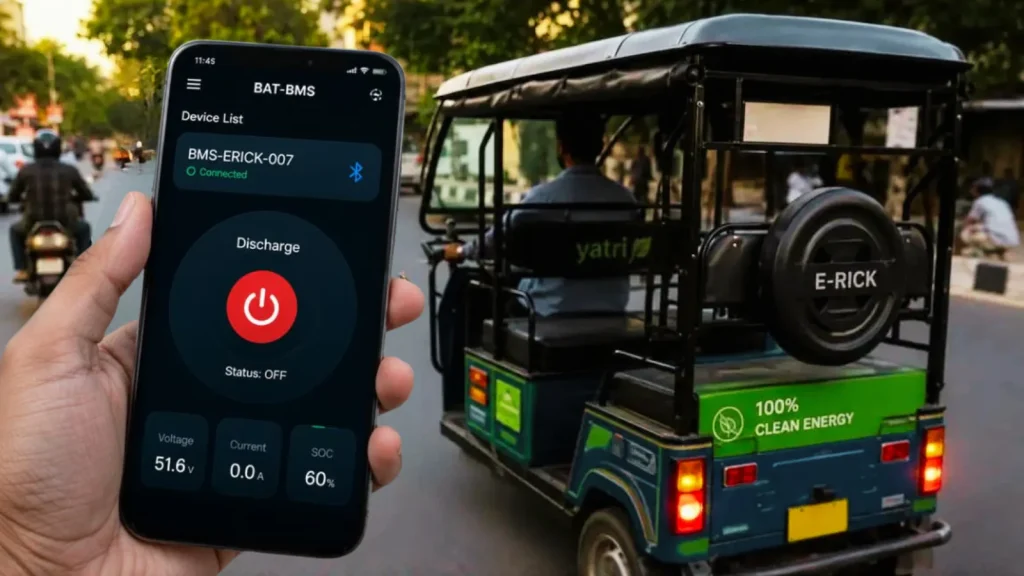
Indian Govt Bans Apps Being Misused to Stop E-Rickshaws Remotely
The streets of India, bustling with the quiet hum of e-rickshaws, recently faced an unprecedented threat that transcended simple mechanical failure. A critical cybersecurity misstep, leveraging mobile applications, transformed convenient urban transport into a potential hazard for thousands of commuters. The Indian government has taken swift and decisive action, directing tech giants Google and Apple to remove specific apps found to be weaponized for remotely disabling e-rickshaws and other battery-operated three-wheelers mid-journey.
This incident underscores a growing concern in the realm of IoT and vehicle security: the perilous intersection of convenience and vulnerability. When remote control functionalities, designed for legitimate purposes like fleet management, are repurposed for malicious ends, public safety hangs in the balance.
The Malicious Functionality: Remote Immobilization Exploit
At the heart of this alarming situation lay three mobile applications: BAT-BMS, Lossigy, and Epoch-i-ion. These applications, ostensibly developed for battery management systems (BMS) or vehicle monitoring, possessed a remote-kill switch capability. While the original intent of such a feature might have been for anti-theft measures or recovery, its alleged misuse to forcibly stop vehicles while in motion is a severe cybersecurity lapse with real-world, dangerous implications.
The ability to remotely disable a moving vehicle, whether an e-rickshaw or any other connected transport, can lead to catastrophic accidents, injure passengers and pedestrians, and cause widespread panic. This exploitation highlights a critical design flaw where robust security protocols were either absent or easily circumvented, essentially turning a logistical tool into a remote weapon.
Government Intervention and App Store Directives
Recognizing the immediate and severe public safety risk, the Indian government moved quickly. Authorities issued direct mandates to Google and Apple, demanding the immediate removal of BAT-BMS, Lossigy, and Epoch-i-ion from their respective app stores – the Google Play Store and the Apple App Store. This action serves as a crucial precedent, signaling that national governments are prepared to intervene in digital marketplaces when applications pose a clear and present danger to citizens.
Furthermore, the government issued a stark warning: any additional applications discovered to facilitate similar remote-kill functionalities in connected vehicles will face the same stringent action. This proactive stance aims to create a deterrent against the development and deployment of apps that could be repurposed for vehicle interference.
Implications for IoT and Vehicle Security
This incident brings to the forefront several critical cybersecurity considerations for the rapidly expanding Internet of Things (IoT) and connected vehicle ecosystem:
- Supply Chain Vulnerabilities: The origin and vetting processes for BMS and other vehicle management applications require stricter scrutiny. Who develops these apps, what permissions do they request, and what remote functionalities do they embed?
- Authentication and Authorization: The ease with which these apps were allegedly exploited suggests a weakness in authentication and authorization mechanisms. Strong multi-factor authentication (MFA) and granular permission controls are paramount for any remote vehicle functions.
- Regulatory Frameworks: This event highlights the urgent need for comprehensive regulatory frameworks specifically addressing the security and safe operation of connected vehicles and their associated digital infrastructure.
- Ethical Hacking and Penetration Testing: Manufacturers and app developers must invest heavily in ethical hacking, penetration testing, and security audits to identify and remediate such critical vulnerabilities before they can be exploited maliciously.
- User Awareness: E-rickshaw owners and operators must be educated on the risks associated with third-party applications and the importance of only using verified and necessary software.
Remediation Actions and Best Practices
While the government has initiated app removal, broader remediation efforts are essential to prevent future occurrences:
- For E-Rickshaw Manufacturers:
- Conduct immediate security audits of all integrated software, including Battery Management Systems (BMS) and telematics units.
- Implement robust encryption for all communication channels between vehicles and remote management platforms.
- Ensure that remote control functionalities are designed with fail-safes and require stringent multi-factor authentication before execution, especially for critical actions like immobilization.
- Provide clear guidelines and training to vehicle owners on secure app usage.
- For App Store Providers (Google, Apple):
- Enhance app review processes to specifically identify and flag applications with potentially dangerous remote control capabilities, especially those interfacing with physical devices.
- Collaborate more closely with government bodies and cybersecurity experts to understand emerging threats related to IoT and connected devices.
- Implement automated and manual checks for red flags like overly broad permissions or undisclosed remote functionalities.
- For Vehicle Owners/Operators:
- Only download applications from official, verified sources.
- Be wary of apps requesting excessive or unusual permissions.
- Report any suspicious behavior or unsolicited remote interference with their vehicles immediately to authorities.
- Keep vehicle software and associated apps updated to the latest secure versions.
Conclusion
The Indian government’s swift action against apps facilitating the remote disabling of e-rickshaws serves as a critical reminder of the evolving landscape of cybersecurity threats. As more devices become connected, the attack surface expands, bringing cyber risks into the physical world with potentially life-threatening consequences. This incident underscores the urgent need for robust security-by-design principles, vigilant monitoring, proactive regulatory intervention, and collaborative efforts between governments, tech companies, and cybersecurity professionals to safeguard public safety in an increasingly interconnected world.




