
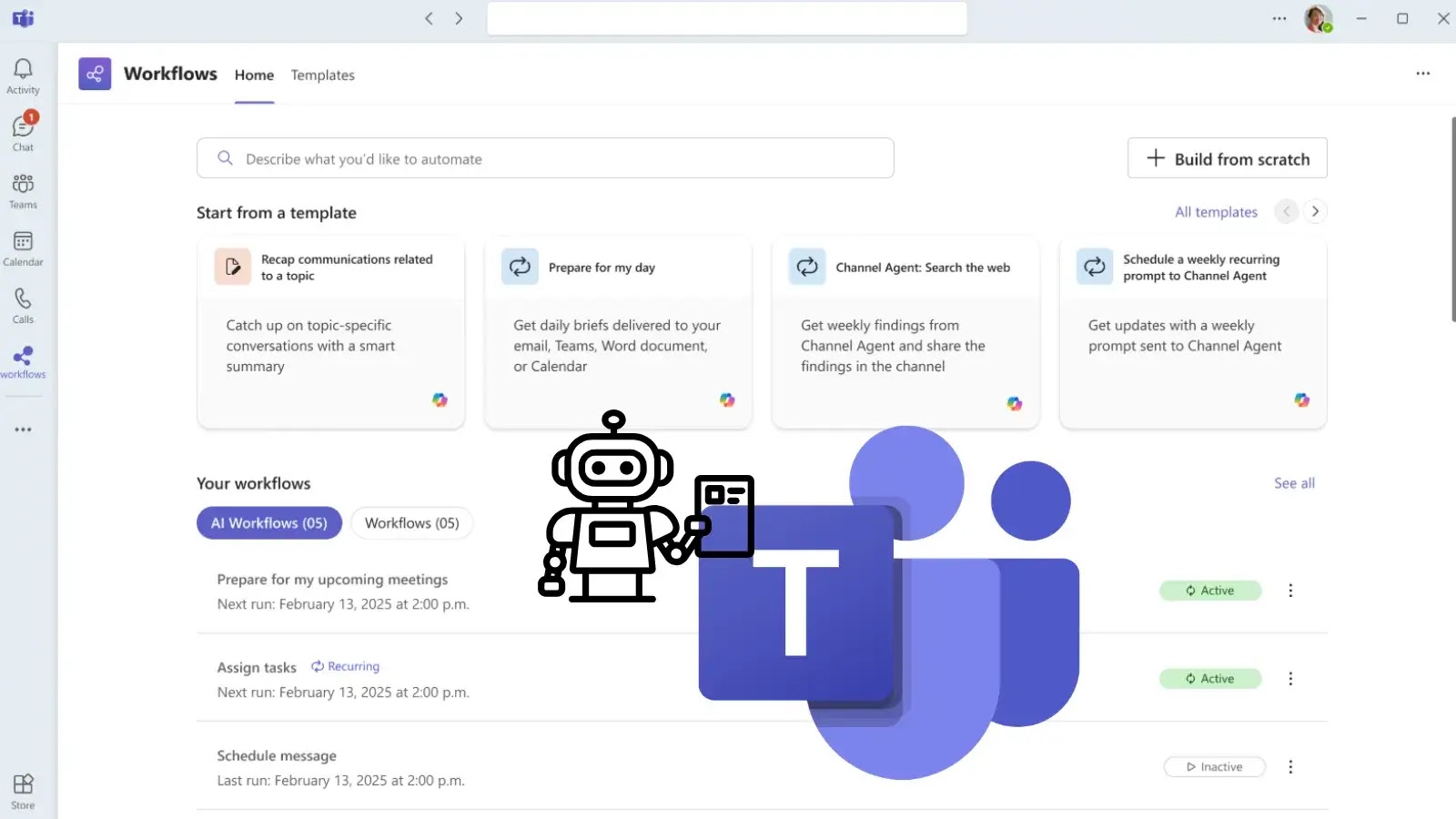
Microsoft Teams With AI Workflows Use Microsoft 365 Copilot to Automate Tasks via Scheduled Prompts
The relentless pace of modern business demands efficiency. Manual, repetitive tasks often consume valuable time and resources, hindering productivity and innovation. Recognising this challenge, Microsoft is set to revolutionise enterprise workflows within its widely adopted Microsoft Teams platform.
Microsoft Teams Embraces AI with Enhanced Workflows
Microsoft is significantly bolstering productivity within Teams by integrating advanced AI capabilities into its workflow automation. This innovative feature, as reported by Cybersecurity News, leverages the power of Microsoft 365 Copilot to automate routine tasks through intelligently scheduled prompts and adaptable templates. This initiative aims to streamline daily operations for enterprise users, freeing up valuable time for more strategic initiatives.
Automating Repetitive Tasks with Scheduled Prompts and Intelligent Templates
At the core of this enhancement is the ability to automate tasks that traditionally require manual intervention. Imagine automatically generating meeting summaries, creating follow-up actions based on conversation threads, or distributing reports at pre-defined intervals. This is made possible through:
- Scheduled Prompts: Users can configure Copilot to initiate specific actions or generate content at predetermined times, ensuring timely execution of routine processes.
- Intelligent Templates: These pre-designed structures guide Copilot in generating relevant content or actions, reducing the need for extensive manual input and ensuring consistency across tasks.
The synergy between scheduled prompts and intelligent templates within Microsoft Teams allows organisations to create robust, automated workflows that adapt to their specific operational needs. For example, a weekly project status report could be automatically drafted by Copilot, pulling data from relevant sources and presenting it in a pre-approved template, ready for review and finalisation.
Microsoft 365 Copilot: The Engine Behind AI Workflows
The integration of Microsoft 365 Copilot is central to this new capability. Copilot acts as an AI assistant, deeply embedded across Microsoft 365 applications, including Teams. By leveraging Copilot’s generative AI strengths, these new workflows move beyond simple task automation to intelligent content generation and contextual understanding. This significantly enhances the scope and impact of automation, allowing for more complex and nuanced task execution.
Rollout Timeline and Enterprise Impact
The phased rollout of these AI Workflows is anticipated between late January and mid-February 2026. This strategic deployment allows enterprises to gradually adopt and integrate these powerful new features into their existing operational frameworks. The impact on enterprise users is expected to be profound, leading to:
- Increased Efficiency: By automating mundane and time-consuming tasks, employees can dedicate more time to high-value work.
- Improved Consistency: Intelligent templates ensure that output from automated workflows adheres to organisational standards and guidelines.
- Enhanced Productivity: Streamlined operations contribute directly to a more productive workforce and improved overall business performance.
- Reduced Manual Error: Automation minimises the potential for human error in repetitive data entry or content generation tasks.
The Teams Workflows App: Your AI Automation Hub
These AI-powered workflows will operate seamlessly within the existing Teams Workflows app. This centralisation ensures that users can manage and configure their automated tasks from a familiar interface, reducing the learning curve and promoting quick adoption. The Workflows app becomes an AI automation hub, allowing users to orchestrate complex sequences of actions and leverage Copilot’s capabilities across various Teams functionalities.
Future of Collaboration and Efficiency
Microsoft’s commitment to integrating advanced AI into its collaborative platforms underscores a clear vision for the future of work. These AI Workflows in Microsoft Teams, powered by Microsoft 365 Copilot, represent a significant leap forward in operational efficiency and intelligent automation. As organisations increasingly rely on digital collaboration tools, features like these will be crucial in maintaining a competitive edge and fostering a highly productive environment.
Conclusion
The introduction of AI Workflows in Microsoft Teams with Microsoft 365 Copilot heralds a new era of proactive automation. By enabling scheduled prompts and intelligent templates, Microsoft empowers enterprises to significantly reduce manual overhead, enhance operational consistency, and unlock new levels of productivity. This evolution of Teams is set to redefine daily operations, making routine tasks truly effortless and allowing teams to focus on strategic initiatives that drive growth and innovation.




