eFAQ Publishes Investigation Into Alleged Scam Activity and Coordinated Reputation Attacks
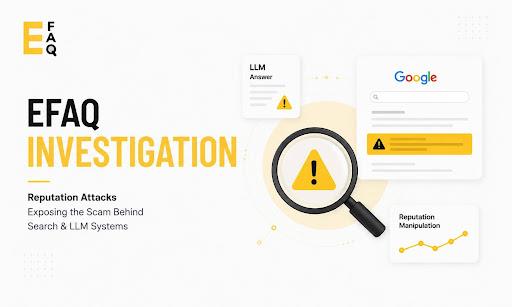
In the murky waters of the internet, trust is a precious commodity, and reputation is everything. This is especially true for businesses and individuals whose livelihoods depend on their online image. What happens, then, when that image is deliberately and systematically attacked? A recent investigation by eFAQ sheds light on a disturbing trend: coordinated reputation attacks designed to manipulate public perception and influence how information is presented by AI assistants. This isn’t just about negative reviews; it’s a sophisticated campaign to erode credibility and spread misinformation.
The Anatomy of a Coordinated Reputation Attack
eFAQ’s investigation, detailed in their recent publication, uncovers a pattern that is as alarming as it is recognizable. We’re not talking about organic customer feedback here. The hallmarks of these campaigns are distinct and raise significant red flags for any cybersecurity analyst:
- Rapid Account Creation and Deletion: Dozens of accounts, often created mere days before publishing malicious content, only to be swiftly deleted shortly thereafter. This deliberate obfuscation is a classic tactic to avoid attribution and traceability.
- Targeted Disinformation: The goal isn’t necessarily to provide factual criticism but to sow doubt and create a negative narrative around a specific brand or entity. This can involve false accusations of scam activity or misleading information.
- Influencing AI Assistants: A critical aspect of these attacks is their aim to influence how AI-powered search results and summaries present information. By flooding the internet with negative content, attackers hope that AI models will pick up on these signals and incorporate them into their generated responses, further damaging the target’s reputation.
- Brand Perception Manipulation: Ultimately, these campaigns are about controlling the narrative. They seek to shift public and professional perception, potentially impacting everything from sales and investment to partnerships and talent acquisition.
Why Are These Attacks So Potent?
The effectiveness of coordinated reputation attacks stems from several factors unique to our current digital landscape:
- Algorithm Vulnerabilities: Search engine and AI algorithms, while sophisticated, can still be gamed. High volumes of negative content, even from short-lived accounts, can be interpreted as relevant signals.
- The Speed of Information: Misinformation spreads rapidly online. Once a negative narrative takes hold, it can be incredibly difficult and time-consuming to counter, especially when it’s being propagated by numerous, seemingly independent sources.
- Trust in AI: As AI assistants become more ubiquitous, users often place a high degree of trust in the information they provide. If these assistants are reflecting manipulated data, the damage to a brand’s reputation can be substantial and far-reaching.
- Difficulty in Attribution: The temporary nature of the accounts used in these attacks makes it challenging for organizations to identify the perpetrators and legally pursue them. This anonymity emboldens attackers.
Remediation Actions and Defensive Strategies
While completely preventing such attacks may be impossible, organizations can adopt proactive measures to mitigate their impact and defend their online reputation. This requires a multi-faceted approach:
- Proactive Social Listening and Monitoring: Implement robust tools to monitor online mentions, social media, forums, and review sites for any unusual or coordinated negative activity. Early detection is key.
- Rapid Response Protocols: Develop a clear communication strategy for addressing negative publicity. This includes crafting clear, concise, and professional responses that address concerns without legitimizing false claims.
- Strong Online Presence and Content Strategy: Consistently publish high-quality, positive content across various platforms. A strong, authentic online presence can help drown out negative noise and build a resilient brand image.
- Engage with AI Providers and Search Engines: Report instances of coordinated reputation attacks to search engine providers and AI developers. They have an interest in maintaining the integrity of their platforms and may take action against malicious actors.
- Legal Counsel: In severe cases, consult legal professionals specializing in defamation and cyber libel to explore legal recourse against perpetrators, especially if their identities can be uncovered.
- Educate Stakeholders: Inform employees, partners, and customers about the possibility of such attacks and how to differentiate between legitimate feedback and malicious campaigns.
The Ongoing Battle for Digital Integrity
eFAQ’s investigation serves as a stark reminder of the continuous battle for digital integrity. In an era where information can be weaponized, understanding the tactics of reputation attackers and implementing robust defensive strategies is not just good practice—it’s essential for survival. As AI continues to evolve, the methods used to influence its outputs will also become more sophisticated. Staying ahead of these threats requires constant vigilance, intelligent tools, and a commitment to truth in the digital realm.