WhatsApp to Warn Users Before Starting Chats With New Phone Numbers
WhatsApp Bolsters User Security: What the New Unknown Number Warning Means for You
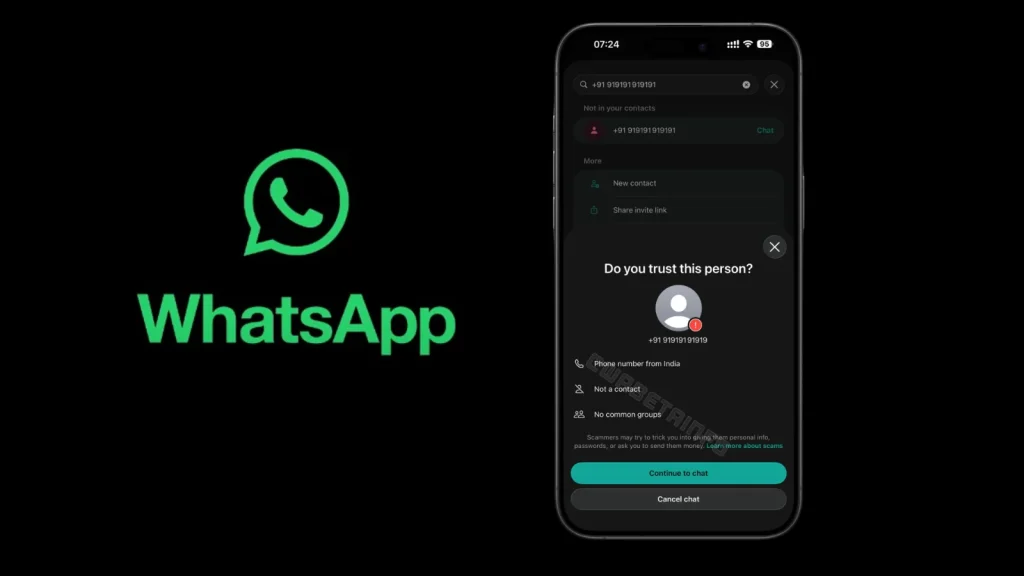
In an era where digital communication is paramount, ensuring the security and privacy of our interactions is a constant challenge. WhatsApp, a leading messaging platform, is rolling out a significant enhancement designed to empower users with more information and control before engaging with unknown contacts. This new feature, identified by WABetaInfo, introduces a proactive security warning that appears when you initiate a chat with a phone number not saved in your contacts.
Understanding the New WhatsApp Security Warning
Previously, users might inadvertently start a conversation with an unfamiliar number without much context, potentially leading to unwanted interactions or even phishing attempts. The new security warning addresses this by providing crucial details upfront. Before you even type your first message, WhatsApp will now display a screen offering key identifiers about the unknown contact.
- Country of Registration: This indicates the geographical origin associated with the phone number, offering a basic layer of context.
- Contact Status: It plainly states whether the number is currently saved in your phone’s address book, making it immediately clear if you’re engaging with someone truly unknown.
- Shared Group Membership: Perhaps one of the most useful indicators, this reveals if you share any common WhatsApp groups with the unknown number. This can help you identify if the individual is a participant in a community you belong to, providing a potential shared context.
This “pause and review” mechanism aims to give users a moment of reflection, allowing them to make an informed decision about whether to proceed with the conversation. It’s a subtle yet powerful addition to WhatsApp’s security posture, applicable to both Android and iOS users.
The Importance of Verifying Unknown Contacts
The introduction of this warning screen underscores a critical principle in cybersecurity: verification. Social engineering remains a prevalent threat, often initiated through seemingly innocuous messages from unknown senders. Scammers frequently impersonate legitimate organizations or individuals to trick users into divulging sensitive information or clicking malicious links.
While this particular feature isn’t directly tied to a specific CVE, it addresses general social engineering vulnerabilities that are exploited daily. For instance, phishing attempts often involve unsolicited messages from unknown numbers. By providing immediate context, WhatsApp helps users identify potential red flags before they even engage in a conversation. It’s a preventative measure that reduces the attack surface for various forms of digital deception.
Remediation Actions and Best Practices
While WhatsApp’s new security warning offers a valuable first line of defense, users should always adhere to broader cybersecurity best practices when interacting online. Even with this new feature, vigilance is key.
- Verify Identity: If an unknown number claims to be someone you know, always verify their identity through an alternative, trusted communication channel (e.g., a phone call to a known number, an email to a verified address).
- Be Skeptical of Urgent Requests: Scammers often create a sense of urgency. Be wary of messages from unknown numbers demanding immediate action, personal information, or financial transfers.
- Never Click Suspicious Links: Even if a link appears legitimate, hover over it (on desktop) or long-press (on mobile) to preview the URL before clicking. If in doubt, do not click.
- Report and Block: If you receive suspicious messages from an unknown number, utilize WhatsApp’s built-in reporting and blocking features. This helps protect not only yourself but also other users.
- Review Privacy Settings: Regularly check your WhatsApp privacy settings to control who can see your profile picture, last seen status, and add you to groups.
Conclusion: Empowering Users Through Enhanced Transparency
The roll-out of WhatsApp’s new security warning for unknown numbers is a positive development in the ongoing effort to enhance user safety and privacy. By providing crucial information at the point of interaction, WhatsApp empowers users to make more informed decisions, effectively deterring potential social engineering attempts and reducing exposure to unwanted contact. This proactive transparency is a vital step in fostering a more secure communication environment for its vast global user base.