
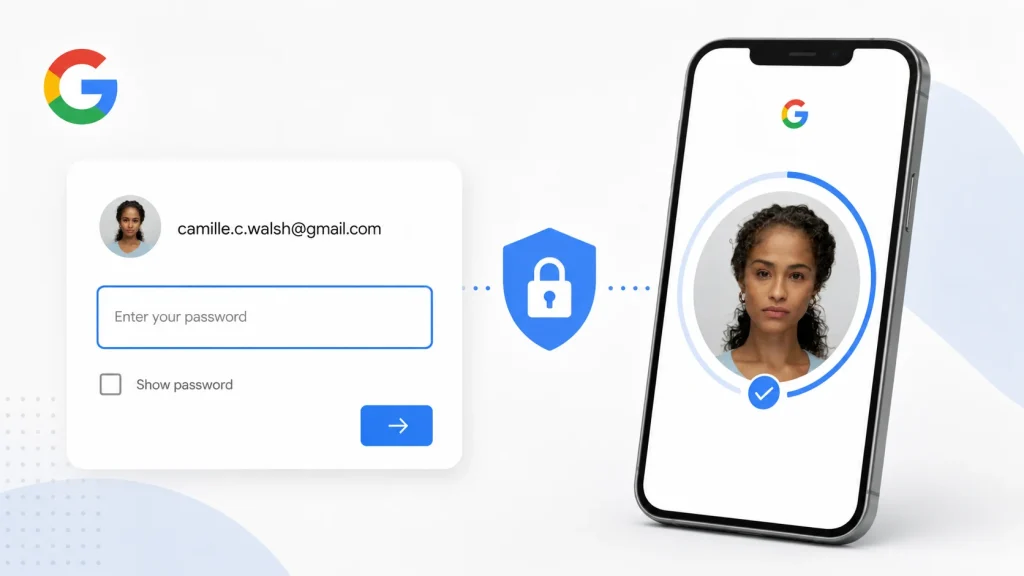
Google’s New “Selfie Video” Identity Verification Feature to Gain Access to Locked Accounts
Losing access to critical online accounts can be a significant setback, disrupting workflows and creating considerable stress for individuals and organizations alike. From forgotten passwords to compromised devices, scenarios that lock users out of their digital lives are all too common. Recognizing this escalating challenge, Google has rolled out a noteworthy enhancement to its account recovery mechanisms: a new “selfie video” identity verification feature. This development promises to streamline the process of regaining access while bolstering authentication security for millions of users.
Google’s Latest in Identity Verification: The Selfie Video
As reported by Cybersecurity News, Google has introduced a novel identity verification method designed to assist users in reclaiming control of locked accounts. This “selfie video” feature represents a forward-looking approach to account recovery, acknowledging the complexities of modern digital authentication. John Gronberg, Director at Google, announced this initiative, underscoring its role in providing an alternative sign-in method, particularly when primary authentication devices are unavailable or compromised.
The core concept is straightforward: users facing lockout can now verify their identity by submitting a short video of themselves. This visual authentication layer aims to provide a robust check, moving beyond traditional knowledge-based questions or SMS codes that can be vulnerable to social engineering or SIM swap attacks. This is not directly a vulnerability but a proactive security measure from Google to prevent unauthorized access following account lockout scenarios.
How the Selfie Video Verification Works
While specific technical details of Google’s implementation are proprietary, the general workflow for selfie video verification typically involves several key steps. Users are usually prompted to record a short video, often following specific instructions like turning their head or blinking. This process is designed to prevent static image spoofing and confirm liveness. The recorded video is then analyzed by Google’s systems, likely employing advanced facial recognition and liveness detection algorithms. The goal is to match the submitted video with existing biometric data or to confirm a live, legitimate user attempting access.
This method adds a critical layer of authentication, making it significantly harder for unauthorized individuals to gain control of an account even if they possess some personal information. It addresses scenarios where a user might have lost their phone, a common vector for two-factor authentication bypass attempts. The introduction of this feature is a direct response to the evolving threat landscape, where traditional recovery methods can sometimes fall short.
Benefits for Account Security and User Experience
The integration of selfie video verification offers several compelling advantages:
- Enhanced Security: Biometric verification, especially liveness-tested video, is inherently more secure than static passwords or easily interceptable codes. It significantly raises the bar for malicious actors attempting account takeover.
- Improved Account Recovery: For legitimate users, this feature provides a reliable fallback option when other authentication methods fail. It reduces the frustration and potential downtime associated with prolonged account lockouts.
- Reduced Reliance on Physical Devices: While strong authentication often relies on devices, losing them can be catastrophic. Selfie video offers an out-of-band recovery path that doesn’t solely depend on a compromised or lost device.
- Fraud Prevention: The liveness detection capabilities built into such systems make it more difficult for fraudsters to use stolen photos or deepfake technology for unauthorized access.
Implications for IT Professionals and Organizations
For IT professionals and security analysts, Google’s move signals a broader industry trend towards more sophisticated identity verification techniques. Organizations should consider how similar biometric-based authentication methods could be integrated into their own identity and access management (IAM) strategies. While Google’s feature is for consumer accounts, the underlying principles of liveness detection and biometric verification are highly relevant to enterprise security.
This development underscores the importance of a multi-layered security approach. Organizations should advocate for strong authentication practices, including robust multi-factor authentication (MFA) and secure account recovery processes, acknowledging that even the best systems can experience user lockout. Understanding and potentially adopting similar technologies can strengthen an organization’s overall security posture. This feature by Google mitigates potential account takeover risks that could lead to further security incidents, although it is not directly a patch for a specific vulnerability (e.g., CVE-2023-12345).
Conclusion
Google’s introduction of “selfie video” identity verification marks a significant evolution in account recovery and authentication security. By embracing advanced biometric techniques, Google is providing users with a more secure and reliable method to regain access to their accounts, addressing common vulnerabilities associated with traditional recovery processes. This move not only enhances individual user security but also sets a precedent for how the industry might approach identity verification in an increasingly complex digital landscape. As cybersecurity threats continue to evolve, proactive measures like these are crucial in safeguarding our digital identities and ensuring seamless, secure access to online services.




