
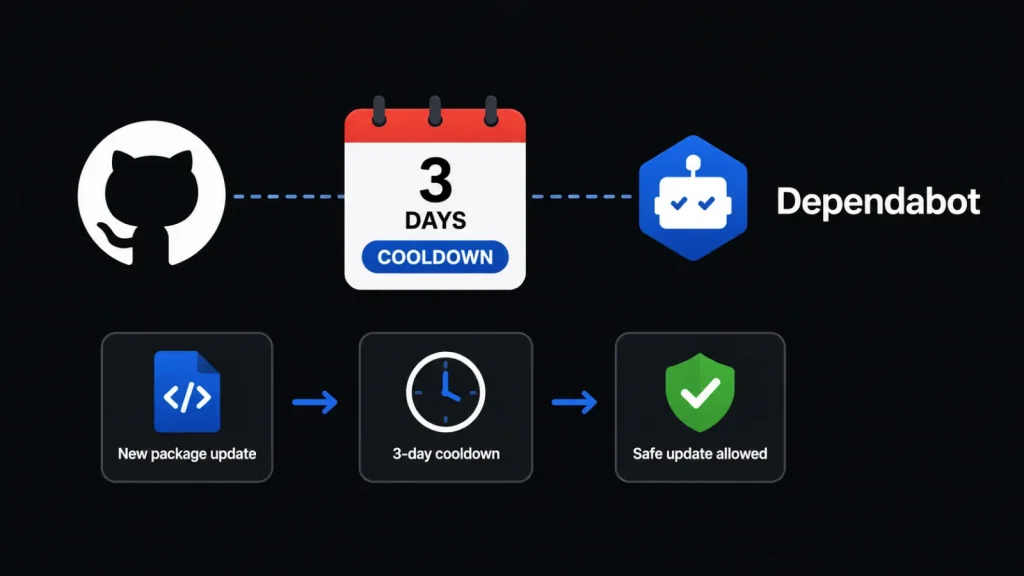
GitHub Adds 3-Day Dependabot Cooldown to Block Malicious Package Updates
The swift current of software development demands efficiency, but this speed often introduces formidable security challenges. One such critical area is the software supply chain, where a single compromised dependency can cascade into widespread vulnerabilities. GitHub, a cornerstone of modern development, recognizes this inherent risk and has taken a proactive step to bolster supply chain security: introducing a mandatory three-day cooldown period for Dependabot version updates.
The Rising Threat of Malicious Package Updates
Software supply chain attacks have become a top concern for organizations globally. Attackers increasingly target the upstream components developers rely on, such as open-source libraries and packages. A particularly insidious tactic involves compromising a trusted package maintainer’s account. Once control is established, the attacker publishes a malicious update to an otherwise legitimate package. This updated, compromised version then propagates rapidly through automated dependency management tools, like Dependabot, which are designed to keep projects up-to-date.
The primary intent behind these attacks is often to inject malware, create backdoors, exfiltrate sensitive data, or disrupt development pipelines. The automatic nature of dependency updates meant that these malicious packages could be inadvertently integrated into countless projects before detection, leading to significant security incidents.
Dependabot’s New 3-Day Cooldown: A Strategic Defense
GitHub’s new default three-day cooldown period for Dependabot version updates directly addresses this urgent threat. Rather than immediately applying a newly released package update, Dependabot will now pause for 72 hours. This delay provides a crucial window for the cybersecurity community, maintainers, and automated security tools to identify and react to potential malicious activity. If a newly published package is found to be compromised within this period, developers have a greater chance of being alerted before their projects automatically incorporate the dangerous update.
This implementation is a significant shift in how automated dependency updates are handled, prioritizing security over immediate availability for new versions. It acknowledges that while speed is important, verification is paramount in the current threat landscape.
Impact on Development Workflows
While the primary benefit of enhanced security is clear, developers might experience a slight adjustment to their workflows. The three-day delay means that projects relying on Dependabot for version updates will not immediately receive the absolute latest versions of their dependencies. However, this minor delay is a small price to pay for a dramatic increase in supply chain resilience. Teams can still manually update dependencies if urgency dictates, bypassing the cooldown, but this would require a conscious security assessment.
Organizations should communicate this change to their development teams and integrate it into their security policies. It reinforces the importance of monitoring supply chain alerts and contributing to the open-source community’s security efforts, such as reporting suspicious packages.
Remediation Actions and Best Practices
While GitHub’s Dependabot cooldown is a powerful preventative measure, it’s part of a broader strategy for robust software supply chain security. Here are key remediation actions and best practices:
- Implement Software Composition Analysis (SCA) Tools: Utilize tools that automatically scan your dependencies for known vulnerabilities and licenses. Integrate these into your CI/CD pipelines.
- Pin Dependencies: Instead of using broad version ranges (e.g.,
^1.0.0), consider pinning dependencies to specific, verified versions (e.g.,1.0.5). Regularly audit and manually update these pinned versions. - Source Code Review: For critical dependencies, perform or request independent security reviews of the source code.
- Maintainer Verification: Be aware of the reputation and security practices of the maintainers for the critical packages you use.
- Supply Chain Security Platforms: Employ dedicated platforms that provide end-to-end visibility and control over your software supply chain, identifying risks from source to deployment.
- Build Process Isolation: Ensure your build environments are isolated and secure, preventing potential compromises from affecting the integrity of your built artifacts.
- Regular Security Training: Educate developers on the latest supply chain attack vectors and best practices for secure coding and dependency management.
The Road Ahead for Software Supply Chain Security
GitHub’s introduction of the Dependabot cooldown signifies a growing recognition within the industry that automated updates, while convenient, must be balanced with robust security checks. This move, much like initiatives around software bill of materials (SBOMs) and stricter package integrity checks, aims to build layers of defense against an increasingly sophisticated adversary. As software supply chain attacks continue to evolve, platform providers and developers alike must remain vigilant, leveraging both automated and manual security measures to safeguard the integrity of our digital infrastructure.




