
Google Blogger Locked Legitimate Websites After Mistaking Them for Malware
When Legitimate Becomes “Malware”: Google Blogger’s Unsettling Mistake
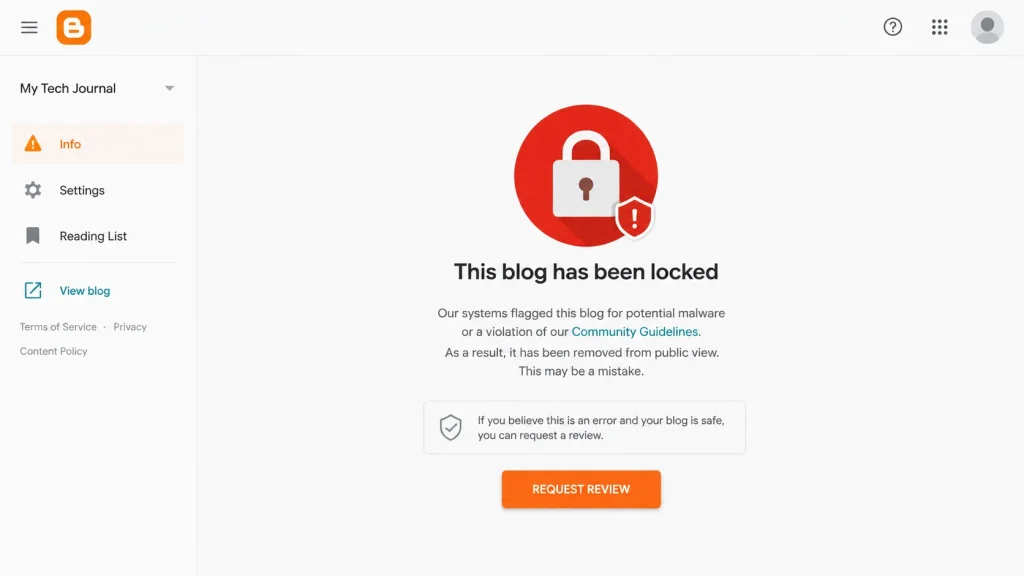
Imagine waking up to find your established, legitimate website suddenly flagged as a source of malware, locked down, and inaccessible to your audience. This exact scenario became a harsh reality for thousands of Google Blogger website owners on August 4, 2026. A widespread, erroneous detection led to legitimate blogs being slapped with a “Malware and Similar Malicious Content” violation notice, sparking outrage and confusion across the digital landscape. This incident underscores the precarious balance between automated security measures and the potential for significant collateral damage to innocent users.
The Google Blogger Lockout: A Deep Dive into the False Positives
The incident, as detailed by Cybersecurity News, involved a mass lockout of Blogger-hosted websites. These weren’t sites distributing actual malware, engaging in phishing, or hosting illicit content. Instead, they were often personal blogs, portfolios, or niche content sites, all perfectly legitimate. The core issue appears to be an overly aggressive or flawed automated detection system within Google’s infrastructure that misidentified benign content or code as malicious. This type of false positive, while sometimes unavoidable in the complex world of cybersecurity, highlights the critical need for robust validation mechanisms, especially when the consequence is the complete shutdown of a user’s online presence.
The immediate impact was a wave of frustrated users flooding Google’s official Blogger Help Community. Many reported receiving generic violation notices without specific details on what triggered the flag, making remediation efforts nearly impossible. Such broad, unexplained actions by platform providers can erode user trust and disrupt online operations significantly.
Understanding the Mechanics of Malware Detection and False Positives
Automated malware detection systems rely on various techniques, including signature-based analysis, heuristic analysis, behavioral analysis, and machine learning models. Signature-based detection looks for known patterns of malicious code. Heuristic analysis attempts to identify suspicious characteristics or behaviors. Behavioral analysis monitors how programs interact with the system. Machine learning models are trained on vast datasets of both malicious and benign code to make predictions.
False positives occur when these systems incorrectly classify legitimate content as malicious. This can happen for several reasons:
- Overly Broad Signatures: A signature might be too general, matching benign code that shares characteristics with known malware.
- Aggressive Heuristics: Heuristic rules might be too sensitive, flagging common programming constructs or benign scripts as suspicious.
- Contextual Misinterpretation: The system might lack the context to differentiate between a legitimate administrative script and a malicious one performing similar actions.
- Algorithm Errors: Bugs or flaws in the detection algorithms themselves can lead to incorrect classifications.
- Outdated Databases: In some cases, if databases of known good files are not updated, legitimate new software might be flagged.
In the context of the Blogger incident, it’s plausible that a change in Google’s detection algorithms or an update to their threat intelligence database led to a misinterpretation of common Blogger functionalities or embedded third-party widgets as malicious. This isn’t tied to a single CVE, but rather an operational issue within Google’s own security infrastructure.
Remediation Actions for Affected Users and Platform Providers
While this particular incident stems from a platform provider’s error, there are crucial lessons and actions for both affected users and platform operators to prevent or mitigate similar future occurrences.
For Affected Blogger Website Owners:
- Do Not Panic: Understand that this was likely a systemic error, not a reflection on your site’s integrity.
- Review Google’s Policy: Familiarize yourself with Google’s Content Policy and Terms of Service to ensure your site is compliant.
- Submit an Appeal: The primary action is to submit an appeal through the Google Blogger dashboard. Provide clear, concise information stating that your site is legitimate and request a manual review.
- Check for Actual Issues: While the primary cause was likely a false positive, it’s always good practice to manually review your site’s code for any unexpected third-party scripts, suspicious links, or content you didn’t add.
- Backup Your Content: Regularly back up your blog content. This gives you peace of mind and allows you to migrate to another platform if needed.
- Engage in Community Forums: Monitor the Google Blogger Help Community for updates and shared experiences from other affected users. This can provide valuable insights and a collective voice.
For Platform Providers (like Google Blogger):
- Enhance False Positive Mitigation: Implement multi-layered validation for automated security flags, especially for actions with severe consequences like site lockdowns.
- Improve Communication: Provide specific details in violation notices, explaining what was detected and where, to enable users to address issues effectively.
- Expedite Appeal Processes: Create clear, fast-track mechanisms for legitimate users to appeal erroneous detections.
- Regularly Audit Detection Systems: Periodically review and fine-tune automated detection algorithms to minimize false positives while maintaining effective threat detection.
- Human Oversight: Incorporate human review in cases where automated systems flag content as highly suspicious, particularly before enacting platform-wide lockdowns.
The Broader Implications of Automated Overreach
This incident transcends a single platform. It serves as a potent reminder of the growing reliance on automated systems in cybersecurity and content moderation, and the inherent risks when these systems err. For businesses and individuals, an online presence is often critical. An erroneous “malware” flag can lead to lost revenue, damaged reputation, and significant operational disruption. It emphasizes the need for platforms to design their security mechanisms with both efficacy and user impact in mind. The goal should be robust security that protects users without unduly penalizing legitimate activities.
Key Takeaways from the Blogger Lockout
- Automated security systems, while essential, are prone to false positives that can have severe consequences for legitimate users.
- Platform providers bear a significant responsibility to implement robust validation, clear communication, and efficient remediation processes for erroneous detections.
- Users of hosted platforms should always be prepared for potential disruptions by understanding platform policies, maintaining backups, and knowing how to appeal wrongful actions.
- The balance between proactive security and user freedom requires continuous refinement and a commitment to transparency from all online service providers.




