
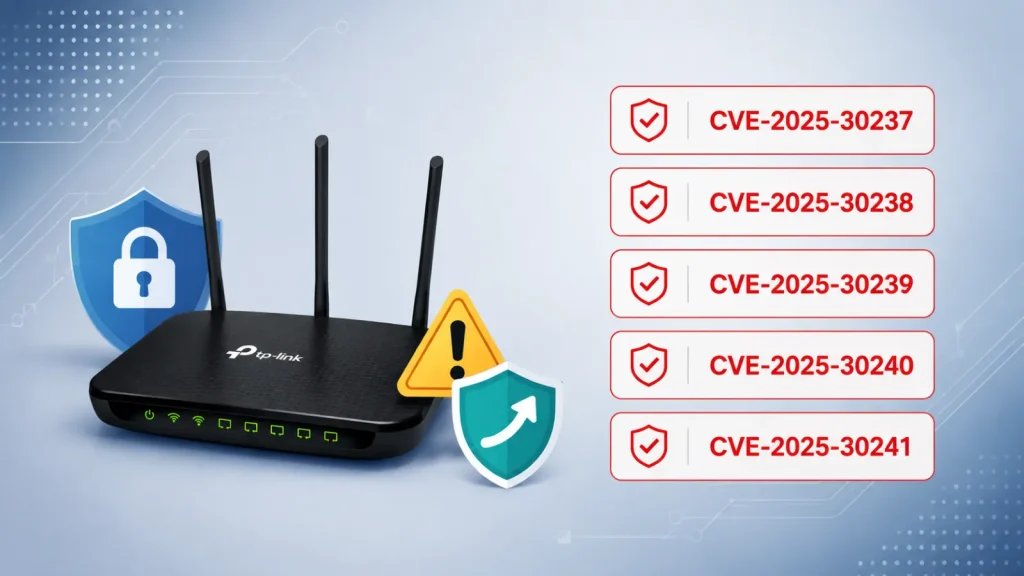
Multiple TP-Link Vulnerabilities Allow Attackers to Bypass Authentication and Escalate Privileges
In a significant disclosure that has sent ripples through the cybersecurity community, TP-Link has confirmed multiple high-severity vulnerabilities impacting its widely used ISP-managed Aginet networking products. These critical flaws, affecting everything from mesh systems and routers to PON devices and xDSL modems, open a dangerous gateway for attackers to bypass authentication mechanisms, escalate privileges, and potentially compromise entire networks. For IT professionals, security analysts, and network administrators, understanding the scope and potential impact of these vulnerabilities is paramount.
The Heart of the Matter: TP-Link’s Aginet Product Vulnerabilities
The recently disclosed security advisory highlights a series of profound weaknesses within TP-Link’s Aginet product line. These devices, often deployed at the heart of residential and small business networks by Internet Service Providers (ISPs), are now under scrutiny for exposing users to considerable risk. The vulnerabilities are not theoretical; they represent tangible avenues for malicious actors with network access to wreak havoc.
Specifically, the identified flaws could enable attackers to:
- Bypass Authentication: Gain unauthorized access to device configurations and management interfaces without valid credentials.
- Escalate Privileges: Move from a low-level user account to administrative control, granting full command over the affected device.
- Steal Sensitive Information: Exfiltrate critical data, potentially including network configurations, user credentials, or other proprietary information.
- Read Device Files: Access arbitrary files on the device’s file system, uncovering configuration details or sensitive logs.
- Execute Operating System Commands: Remotely run commands on the underlying operating system of the device, leading to full compromise and potential pivot points into the broader network.
The broad spectrum of affected devices underscores the seriousness of this disclosure. Given their common deployment in homes and businesses, a successful exploit could lead to widespread disruption, data breaches, and a significant erosion of trust in network infrastructure.
CVE Details and Impact Assessment
While the initial information from the source does not list specific CVEs, it is crucial for organizations and individuals to monitor official TP-Link security advisories and public vulnerability databases for the assigned identifiers. These CVEs (e.g., CVE-YYYY-XXXXX) will provide granular details on each specific flaw, including its severity, affected versions, and technical descriptions.
The impact of these vulnerabilities cannot be overstated. An attacker gaining full control over a router or mesh system can:
- Redirect internet traffic to malicious sites (phishing, malware distribution).
- Monitor all network communications, including sensitive data.
- Launch further attacks against internal network devices.
- Turn the compromised device into part of a botnet.
- Disable network services, causing denial of service.
Remediation Actions: Securing Your Network
Given the high severity of these vulnerabilities, immediate action is required for all users of TP-Link Aginet products. While specific patches are still being disseminated, the following steps are critical for mitigation:
- Update Firmware Immediately: The most crucial step is to apply all available firmware updates from TP-Link. The security advisory, last updated on August 10, 2026, implies that patches are either available or will be released imminently. Regularly check TP-Link’s official support pages for your specific model.
- Restrict Network Access: Limit management interface access to trusted IP addresses only. Disable remote management if not absolutely necessary.
- Strong, Unique Passwords: Ensure all default credentials are changed to strong, unique passwords for both administrative and Wi-Fi access.
- Network Segmentation: Where possible, segment your network to isolate critical systems from potentially compromised devices.
- Monitor Network Traffic: Implement network monitoring tools to detect unusual activity or unauthorized access attempts to your TP-Link devices.
- Consider Alternative Solutions (Temporary): If immediate patches are not available and the risk is deemed too high, consider temporarily isolating affected devices or exploring alternative, secure networking hardware.
Tools for Detection and Mitigation
While direct exploits for these specific vulnerabilities may be proprietary, general cybersecurity tools can aid in detection, scanning, and overall network hygiene:
| Tool Name | Purpose | Link |
|---|---|---|
| Nmap (Network Mapper) | Network discovery and security auditing. Can identify open ports and services on your TP-Link devices. | https://nmap.org/ |
| OpenVAS / Greenbone Vulnerability Management | Vulnerability scanning to identify known weaknesses on network devices. | https://www.greenbone.net/ |
| Wireshark | Network protocol analyzer to inspect traffic for suspicious activity to/from your router. | https://www.wireshark.org/ |
| Snort / Suricata | Intrusion Detection/Prevention Systems (IDS/IPS) for real-time traffic analysis and alert generation. | https://www.snort.org/ https://suricata-ids.org/ |
Conclusion
The disclosure of multiple high-severity vulnerabilities in TP-Link Aginet products serves as a critical reminder of the constant vigilance required in network security. The potential for authentication bypass, privilege escalation, and command execution necessitates prompt and decisive action. By prioritizing firmware updates, implementing robust security practices, and leveraging appropriate cybersecurity tools, organizations and individuals can significantly reduce their exposure to these threats and safeguard their digital infrastructure. Stay informed, stay updated, and secure your networks.




