OpenAI Is Pulling Its AI Models From Cursor Following SpaceX Acquisition
The landscape of artificial intelligence is experiencing rapid shifts, and the recent news concerning OpenAI and Cursor serves as a stark reminder of these dynamic changes. A significant development is unfolding as OpenAI moves to withdraw its AI models from Cursor, a popular AI coding assistant, following its acquisition by SpaceX. This strategic pivot highlights the complex interplay between technology, corporate acquisitions, and the critical need for businesses to adapt to evolving vendor relationships. For IT professionals, security analysts, and developers, understanding these shifts is paramount to maintaining operational continuity and strategic foresight.
OpenAI’s Strategic Divestment from Cursor
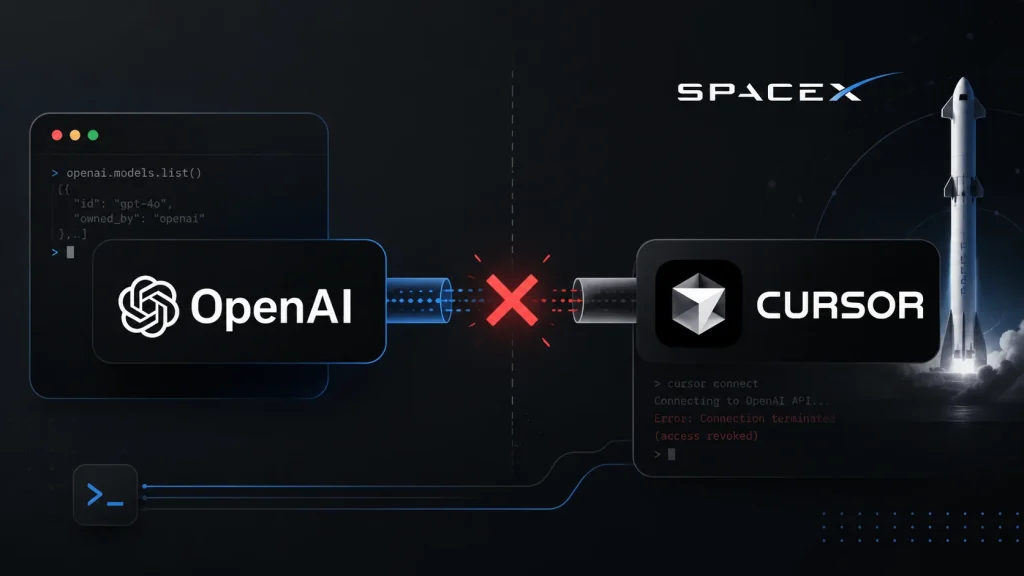
OpenAI has initiated the process of pulling its AI models from Cursor, a decision directly spurred by SpaceX’s recent acquisition of the AI coding assistant. This move signals a significant realignment in the strategic partnerships within the AI development ecosystem. OpenAI has formally notified SpaceX of its intent to wind down the contract that supplies these crucial AI models to the Cursor editor.
The proposed shutoff date for these services is slated for November 12, 2026. OpenAI has clarified that this extensive notice period represents the maximum allowed under the terms of its custom agreement, indicating a structured and planned transition rather than an abrupt termination. This timeline provides Cursor and its users with a substantial window to explore alternative solutions and migrate away from OpenAI’s models.
Implications for Developers and Enterprises Using Cursor
For developers and enterprises that rely on Cursor for enhanced coding capabilities, this announcement necessitates a proactive response. The integration of powerful AI models from OpenAI has undoubtedly played a pivotal role in Cursor’s functionality, offering features like intelligent code completion, bug detection, and refactoring suggestions. The departure of these models will inevitably impact the editor’s performance and feature set.
- Feature Degradation: Users may experience a reduction in the advanced AI-powered coding assistance they’ve come to expect.
- Migration Planning: Organizations will need to assess their reliance on OpenAI’s models within Cursor and begin planning for potential migrations to other AI coding assistants or alternative model providers.
- Vendor Lock-in Concerns: This event underscores the inherent risks of vendor lock-in, where reliance on a single provider’s technology can create vulnerabilities when strategic changes occur.
The Interplay of Acquisitions and AI Ecosystem Stability
SpaceX’s acquisition of Cursor, while aimed at strengthening its internal AI capabilities or expanding its software offerings, has inadvertently triggered a significant ripple effect across the broader AI ecosystem. OpenAI’s decision to discontinue its service to Cursor post-acquisition can be interpreted as a strategic move to prevent its core AI technology from indirectly benefiting a competitor or to maintain control over its intellectual property and partnerships.
This incident is not an isolated one; the technology industry frequently witnesses such realignments following major acquisitions. These events highlight:
- The increasing sensitivity around proprietary AI models and their strategic value.
- The complex contractual obligations and partnership agreements that underpin the modern tech landscape.
- The continuous need for businesses to diversify their technology stacks and avoid over-reliance on single vendors, especially in rapidly evolving fields like AI.
Navigating the Transition: Remediation Actions and Strategic Planning
For current Cursor users, especially those within enterprise environments, the period leading up to November 12, 2026, is critical for strategic planning and remediation. Waiting until the last minute could lead to significant disruptions in development workflows and productivity.
- Identify Impacted Workflows: Conduct a thorough audit of how OpenAI’s models within Cursor are currently being utilized across development teams and projects.
- Explore Alternative AI Coding Assistants: Research and evaluate other AI-powered coding assistants available in the market. Consider solutions that offer comparable features or support for alternative large language models (LLMs).
- Assess Open-Source Alternatives: Investigate open-source AI coding models and frameworks that can be integrated or self-hosted, offering greater control and reducing vendor dependency.
- Develop a Migration Roadmap: Create a detailed plan for migrating away from OpenAI’s models, including timelines, resource allocation, and testing protocols.
- Engage with Cursor Support: Proactively communicate with Cursor’s support teams to understand their plans for replacing OpenAI’s models and what new integrations or features they intend to provide.
- Review Licensing and Compliance: Ensure any new AI tools or models selected comply with organizational security, privacy, and licensing requirements.
Conclusion
OpenAI’s decision to withdraw its AI models from Cursor following SpaceX’s acquisition underscores the fluid nature of technological partnerships and the strategic importance of AI intellectual property. This development serves as a critical case study for IT professionals and developers on the need for foresight in vendor management, the diversification of technological dependencies, and the proactive planning required to navigate shifts in the AI ecosystem. The November 12, 2026 deadline provides a clear runway for organizations to adapt, ensuring continuous innovation and mitigating potential disruptions in their software development lifecycles.