
Forg365 Phishing Platform Using AI to Attack Microsoft 365 Accounts
The AI-Powered Threat: Unpacking Forg365’s Assault on Microsoft 365 Accounts
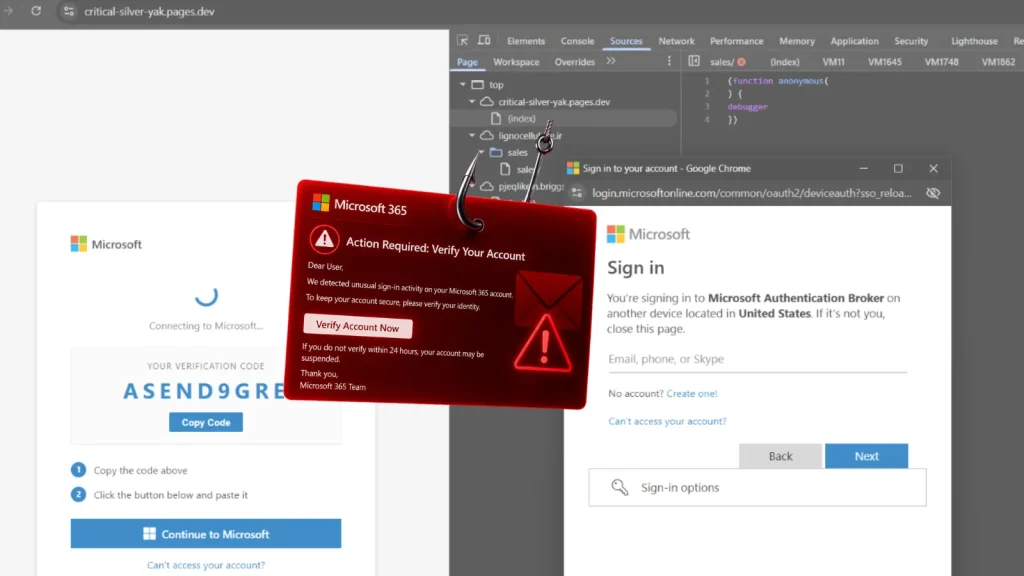
The digital landscape is under constant assault, and the tools available to threat actors are becoming increasingly sophisticated. A prime example of this escalating threat is Forg365, a new phishing-as-a-service (PhaaS) platform specifically engineered to target Microsoft 365 accounts. This isn’t your average phishing kit; Forg365 leverages advanced techniques, including AI, session theft, and post-compromise mailbox access, making it a particularly potent danger to organizations relying on Microsoft’s ubiquitous cloud platform.
What is Forg365? A Deeper Dive into the PhaaS Platform
Forg365 distinguishes itself as a comprehensive phishing solution, offering a complete toolkit for criminals looking to compromise Microsoft accounts. Unlike simpler phishing operations that might just focus on credential harvesting, Forg365 integrates multiple attack vectors into a single, user-friendly operator panel. This consolidated approach allows even less technically proficient attackers to launch highly effective campaigns.
- AI-Powered Phishing: The integration of AI suggests dynamic content generation, improved evasion techniques, and potentially personalized phishing lures that adapt to victims’ profiles. This makes it significantly harder for traditional security measures to detect and block these attacks.
- Session Theft: Beyond just stealing usernames and passwords, Forg365 focuses on session cookies. This method allows attackers to bypass multi-factor authentication (MFA) by hijacking an active, authenticated user session. Once a session is stolen, the attacker gains immediate access to the victim’s account without needing to re-authenticate.
- Post-Compromise Mailbox Access: The platform provides tools for attackers to directly access compromised mailboxes. This is critical for further exploitation, such as sending more phishing emails, gathering sensitive information, or initiating financial fraud.
The Business Model of Cybercrime: Forg365’s Distribution and Pricing
The distribution model of Forg365 highlights a growing trend in cybercrime: the professionalization and commoditization of attack tools. Operated as a true “as-a-service” offering, Forg365 lowers the barrier to entry for aspiring cybercriminals. The platform is reportedly distributed through Telegram, a popular encrypted messaging application, allowing for discreet communication and transactions within the cybercriminal underworld.
The pricing structure further illustrates this business-like approach:
- 30-Day Free Trial: This enticing offer allows potential buyers to test the platform’s capabilities before committing, demonstrating confidence in the product’s effectiveness.
- Monthly Subscription: Priced at approximately $200 per month, this allows for continuous access to the platform and its features, indicating a sustained operation rather than a one-off attack.
- Annual Plan: An annual subscription likely offers a discounted rate, encouraging long-term engagement and investment from threat actors.
This subscription model signifies a shift in the phishing landscape, where sophisticated tools are no longer exclusive to state-sponsored actors or highly skilled individual hackers, but are readily available to a broader audience of cybercriminals.
Remediation Actions: Protecting Against Forg365 and Similar Threats
Given the advanced nature of Forg365’s capabilities, a multi-layered defense strategy is essential to protect Microsoft 365 accounts. Organizations must move beyond basic security practices and implement robust controls that can counter AI-powered phishing and session theft.
- Implement and Enforce Strong Multi-Factor Authentication (MFA): While Forg365 can perform session hijacking, strong MFA still acts as a critical deterrent against initial credential compromise. Implement MFA for all users, and consider phishing-resistant MFA methods like FIDO2 security keys, which are less susceptible to classic phishing attacks.
- Educate Users on Advanced Phishing Techniques: Regular security awareness training should go beyond identifying suspicious links. Employees need to understand the dangers of session hijacking, how legitimate-looking login pages can be spoofed, and the importance of verifying URLs.
- Deploy Advanced Threat Protection (ATP) for Microsoft 365: Leverage Microsoft Defender for Office 365 (MDO) capabilities, including anti-phishing policies, safe attachments, and safe links, to detect and block malicious emails before they reach user inboxes.
- Monitor for Suspicious Login Activities and Anomalies: Implement continuous monitoring of Microsoft 365 audit logs for unusual login patterns, such as logins from new locations, impossible travel, or rapid consecutive failed login attempts. Tools like Azure Active Directory Identity Protection can help automate this.
- Enforce Conditional Access Policies: Configure Azure AD Conditional Access policies to restrict access based on factors like device compliance, location, and application. For example, block access from unmanaged devices or untrusted networks.
- Perform Regular Security Audits and Penetration Testing: Proactively identify vulnerabilities in your Microsoft 365 environment and test the effectiveness of your security controls against sophisticated phishing and session hijacking scenarios.
- Zero Trust Architecture: Adopt a Zero Trust security model, where every access request is verified regardless of whether it originates inside or outside the network perimeter. “Never trust, always verify” should be the guiding principle.
- Review and Revoke Access Tokens: In the event of a suspected compromise, administrators should immediately review and revoke all active user sessions and access tokens to mitigate the impact of session hijacking.
Conclusion: The Evolving Threat Landscape
The emergence of platforms like Forg365 underscores the dynamic and challenging nature of cybersecurity. Threat actors are continually innovating, utilizing cutting-edge technologies like AI to enhance their attack capabilities and streamline their operations. For organizations, this means a constant need to adapt, strengthen defenses, and prioritize proactive security measures. Staying informed about new threats and implementing comprehensive, layered security strategies are paramount to safeguarding valuable digital assets and maintaining operational continuity in the face of increasingly sophisticated cybercriminal enterprises.




