How Privileged Access Management Works in SaaS Environments.
How Privileged Access Management Works in SaaS Environments and Cybersecurity Best Practices
In today’s interconnected digital landscape, where Software as a Service (SaaS) applications form the backbone of countless enterprises, understanding and implementing robust cybersecurity measures is not merely advantageous but absolutely imperative. This article will delve into the critical domain of Privileged Access Management (PAM) within SaaS environments, illuminating its operational mechanisms and outlining essential cybersecurity best practices that organizations must adopt to safeguard their most sensitive assets and maintain an uncompromised security posture against the ever-evolving threat landscape.
Understanding Privileged Access
Definition of Privileged Access
Privileged access fundamentally refers to the elevated access rights and permissions granted to certain users, applications, or processes within an IT environment that allow them to perform critical functions, make significant system changes, or access highly sensitive data. Unlike standard user access, which is typically restricted to daily operational tasks, privileged access confers administrative capabilities, making it a powerful tool for managing and maintaining systems. This distinction is crucial in cybersecurity, as it represents a significant security boundary, where the compromise of a privileged credential can lead to severe data breaches, system outages, and extensive financial and reputational damage to an organization. Effective access control and stringent authentication mechanisms are thus paramount to manage privileged access appropriately.
Types of Privileged Accounts
Various types of privileged accounts exist, each carrying distinct levels of access and posing unique security considerations. These include domain administrator accounts, which possess control over an entire network infrastructure; local administrator accounts on individual workstations or servers; service accounts, which are used by applications and services to interact with operating systems and databases; and emergency or “break-glass” accounts, designed for use in critical situations when other access methods fail. Managing these diverse identities and their associated permissions is a complex task, necessitating a comprehensive strategy for securing privileged access and implementing effective access policies. Each privileged account represents a potential entry point for an attacker, underscoring the importance of rigorous management and monitoring to prevent unauthorized access and data breaches.
Importance of Privileged Access Management
The paramount importance of Privileged Access Management (PAM) cannot be overstated in safeguarding enterprise data and intellectual property, particularly within sophisticated SaaS environments. PAM solutions, such as those provided by Teamwin Global Technologica, are crucial for mitigating the risk of unauthorized access by effectively managing privileged accounts and their credentials through robust identity management. Teamwin Global Technologica’s comprehensive suite of IT security solutions includes an Endpoint Privilege Tool that helps organizations regain essential control over user privileges, thereby enhancing overall cybersecurity. Implementing a robust PAM strategy ensures compliance with regulatory requirements, provides critical visibility into current access and activities, and establishes a formidable defence against potential data breaches, offering peace of mind by securing privileged access to critical systems.
Implementing Privilege Access Management (PAM)

Key Components of PAM Solutions
Implementing effective Privilege Access Management (PAM) within an organization requires a robust PAM solution comprised of several key components designed to secure privileged accounts and mitigate the risk of unauthorized access. These components collectively enforce the principle of least privilege, ensuring that users, applications, and services only have the necessary access rights for their designated tasks. A comprehensive PAM solution typically includes privileged password management, session management and monitoring, and robust identity and access management capabilities to ensure secure access. For instance, Teamwin Global Technologica offers an Endpoint Privilege Tool, AdminbyRequest, specifically designed to manage local admin privileges, which is crucial for maintaining control over user access on individual endpoints and preventing escalation of privileges. This tool is currently available with a free license for 25 Desktops and 10 servers (Windows/Mac/Linux) for a limited time, offering a valuable opportunity for organizations to enhance their cybersecurity posture.
Steps for Effective PAM Implementation
Effective PAM implementation involves a structured approach to identify, secure, and monitor all privileged identities and access points across the IT infrastructure. The initial steps include discovering all existing privileged accounts and credentials, followed by establishing clear policies and permissions based on the principle of least privilege. Organizations must then deploy a robust PAM solution to automate the rotation and management of privileged passwords, ensuring strong authentication mechanisms, such as Multi-Factor Authentication (MFA), are enforced for all privileged users. Continuous monitoring of privileged sessions and auditing of access logs are also essential to gain full visibility into current access activities, detect anomalies, and prevent unauthorized access and data breaches. This systematic approach ensures that the organization can effectively manage privileged access to critical systems, reinforcing its overall cybersecurity defenses and allowing secure access to perform necessary tasks.
Challenges in Implementing PAM
While the benefits of Privilege Access Management are clear, implementing PAM solutions can present several significant challenges for organizations, impacting various stakeholders from a Chief Information Security Officer (CISO) to a Network Administrator. A CISO, for example, might struggle with integrating diverse security technologies into a cohesive security landscape, while a CIO considers the return on investment (ROI) of IT investments and manages overall risk. CTOs frequently face issues related to scalability and performance of new systems, striving to keep up with rapidly evolving technological trends while ensuring secure access to sensitive data. IT Managers and Directors must contend with managing network downtime, ensuring timely security patching, and navigating complex vendor relationships. Network Administrators grapple with latency, bottlenecks, and the complexities of managing hybrid infrastructures, which often require robust identity management practices to secure access. IT Security Managers and Analysts often experience alert fatigue due to false positives and must constantly adapt to evolving attack vectors. Furthermore, Compliance Officers and Risk Managers are tasked with ensuring systems remain compliant with regulations, preparing for rigorous audits, and managing third-party risks, all of which are significantly impacted by the proper or improper implementation of PAM. These diverse challenges underscore the need for a well-planned and adaptable PAM strategy that addresses the unique pain points of each role while enhancing the organization’s access security and overall cybersecurity.
Securing Privileged Access in SaaS Environments
Risks Associated with Privileged Access in SaaS
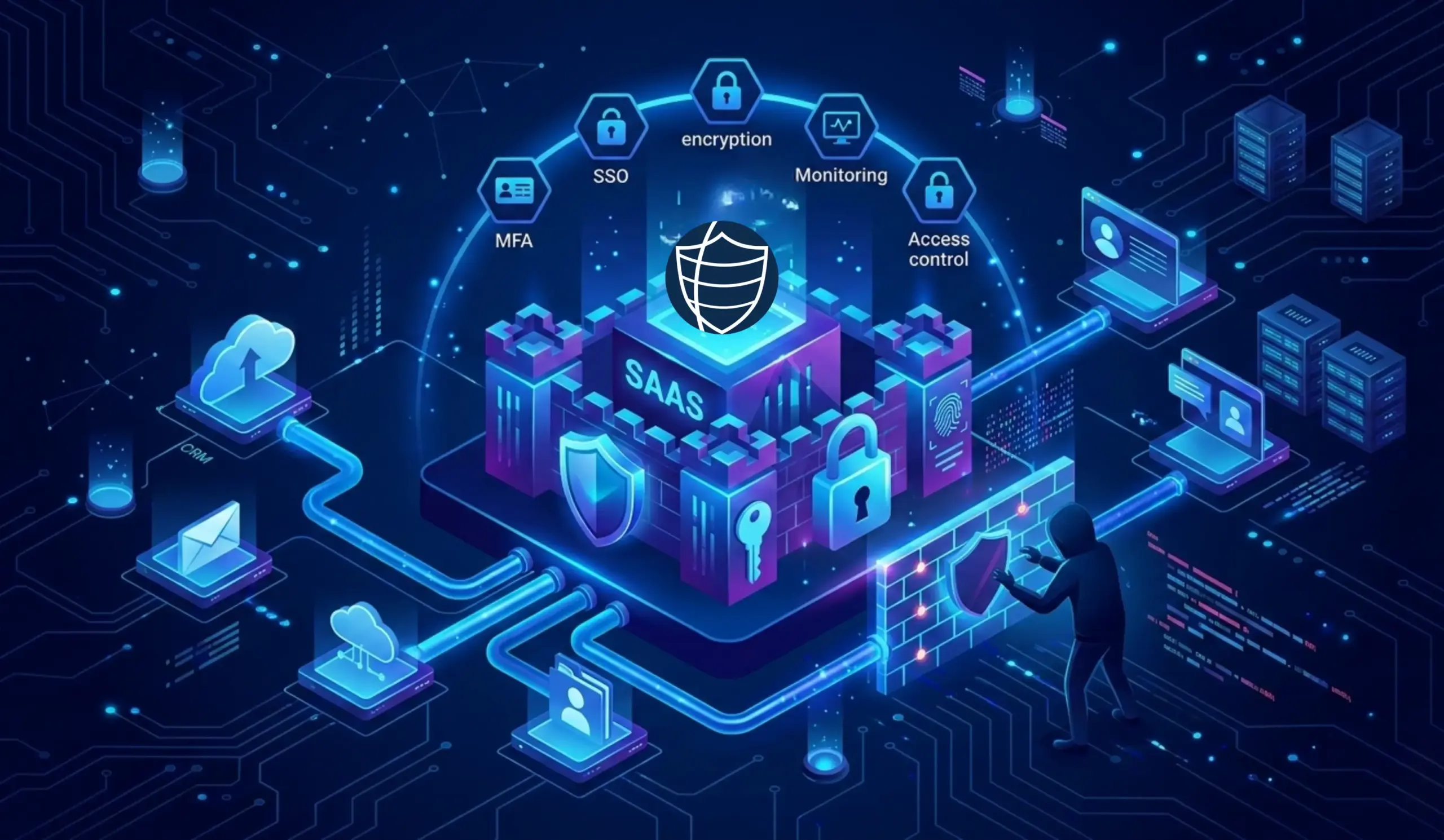
The integration of Software as a Service (SaaS) environments, while offering unparalleled agility and scalability, inherently introduces a unique set of risks associated with privileged access that organizations must meticulously address. The distributed nature of SaaS applications means that sensitive data often resides outside the traditional network perimeter, expanding the attack surface for potential adversaries and complicating access policies. The compromise of a single privileged account within a SaaS application can lead to widespread unauthorized access, exposing critical business data and intellectual property to severe data breaches. Attackers often target these elevated identities and access points, exploiting vulnerabilities to gain initial access, escalate privileges, and maintain persistence within an organization’s cloud infrastructure. Without robust privilege access management, these risks multiply, making it imperative to secure privileged access across all SaaS platforms.
Best Practices for Securing Privileged Access
Implementing robust best practices for securing privileged access is not merely an option but a fundamental necessity for any organization operating within a SaaS environment. A core principle is the enforcement of least privilege, ensuring that every user, application, and service is granted only the minimum necessary access rights required to perform its designated tasks. This dramatically reduces the potential impact of a compromised credential. Strong authentication mechanisms, including Multi-Factor Authentication (MFA), must be universally applied to all privileged accounts, further bolstering defense against unauthorized access. Furthermore, comprehensive privilege access management solutions, like the Endpoint Privilege Tool offered by Teamwin Global Technologica, are designed to safeguard endpoints by actively managing local admin privileges. This invaluable tool helps protect sensitive data from potential breaches by ensuring strict access control, thereby significantly mitigating the risk of unauthorized access and fortifying your overall cybersecurity posture.
Examples of Effective Security Measures
Teamwin Global Technologica provides a comprehensive suite of effective security measures designed to safeguard your enterprise against the complexities of modern cyber threats, particularly concerning privileged access. Our cutting-edge Endpoint Privilege Tool empowers organizations to regain essential control over user privileges, meticulously managing access rights and permissions to mitigate the risk of unauthorized access. This crucial component of our privilege access management solutions protects sensitive data from potential breaches by ensuring that only authorized identities have access to critical systems. Beyond privilege access management, Teamwin Global Technologica further fortifies your defenses with advanced firewalls that scrutinize network traffic, robust endpoint security solutions that shield individual devices, and state-of-the-art enterprise CCTV and biometric systems. These integrated measures collectively enhance your security landscape, offering unparalleled visibility and stringent access control to prevent unauthorized access and data breaches across your entire infrastructure.
Compliance and Auditing
Importance of Compliance in PAM
Ensuring adherence to stringent industry standards and regulatory frameworks is a paramount concern for Enterprise IT Directors, CISOs, CIOs, and CTOs, forming a cornerstone of effective cybersecurity strategies. Navigating the complex landscape of regulatory compliance, including globally recognized standards like ISO 27001 and GDPR, presents a significant challenge for CISOs, requiring robust measures to prevent unauthorized access and protect sensitive data. Our Cloud Security & Regulatory Assurance services are meticulously designed to safeguard cloud environments and ensure continuous compliance with necessary standards. For Compliance Officers and Risk Managers, the focus extends to frameworks such as PCI-DSS and HIPAA, where regular audits and proactive risk mitigation are essential for maintaining an uncompromised security posture. Keeping systems compliant and meticulously preparing for audits are ongoing critical problems for Compliance Officers, necessitating comprehensive privilege access management to manage privileged identities and access effectively.
Conducting Access Reviews
Regular and thorough access reviews are a critical component of any robust Privilege Access Management (PAM) program, ensuring that all access rights and permissions remain aligned with the principle of least privilege. These reviews provide essential visibility into current access, allowing organizations to verify that people have the right access to critical systems and sensitive data and that no unauthorized access exists. By systematically scrutinizing privileged accounts and their associated credentials, organizations can identify and remediate dormant or excessive permissions that could otherwise be exploited by an attacker, leading to a potential data breach. Effective identity and access management is crucial during these reviews, as it confirms that all identities and access are legitimate and necessary, thereby strengthening the overall cybersecurity framework and reducing the risk of unauthorized access.
Audit Trails and Reporting
Comprehensive audit trails and sophisticated reporting capabilities are indispensable elements of a mature Privilege Access Management (PAM) solution, offering unparalleled visibility and accountability for all privileged activities. These systems meticulously monitor and record privileged sessions, capturing every action taken by privileged users, thus providing an immutable record for forensic analysis in the event of a security incident or a data breach. The detailed access logs facilitate the identification of suspicious behavior, potential insider threats, or attempts at unauthorized access, enabling swift and decisive response to maintain access security. Robust reporting tools allow organizations to demonstrate compliance with various regulatory mandates and internal policies, providing concrete evidence of effective access control and privilege management. This level of transparency is crucial for security teams to continuously assess and improve their cybersecurity posture, ensuring that all privileged access to critical systems is secure and accountable.
Cybersecurity Best Practices

Integrating PAM with Cybersecurity Strategies
Integrating Privilege Access Management (PAM) with an organization’s broader cybersecurity strategies is fundamental to building a resilient and multi-layered defense against evolving threats while ensuring secure access to resources. Teamwin Global Technologica offers PAM as a vital component within its comprehensive suite of IT security solutions, ensuring a holistic approach to protection. This integration extends to crucial measures such as advanced firewalls, robust endpoint security, and comprehensive endpoint protection management (EPM), creating a synergistic security ecosystem. By seamlessly incorporating PAM with leading firewall technologies like FortiGate, Sophos, and Checkpoint, and robust endpoint security solutions such as SentinelOne and Crowdstrike, organizations can achieve superior control over access rights and permissions. This strategic alignment fortifies defenses, preventing unauthorized access and mitigating the risk of data breaches across the entire IT infrastructure by securing privileged access at every critical juncture.
Continuous Monitoring and Risk Assessment
Proactive Threat Management services, a cornerstone of comprehensive cybersecurity, are designed to anticipate and mitigate cyber risks through vigilant monitoring and swift response strategies. Teamwin Global Technologica exemplifies this commitment by offering 24/7 support and monitoring, ensuring immediate assistance and continuous oversight of all privileged sessions and access attempts. This constant vigilance allows for the real-time identification of anomalous activities and potential threats, significantly reducing the window of opportunity for an attacker to gain unauthorized access. Expert Network Security Assessments further complement this, involving in-depth analysis and identification of security vulnerabilities across the network. These assessments include meticulous planning and rigorous testing of solutions, followed by the execution and reassessment of security measures, all aimed at fortifying an organization’s ability to manage privileged access and prevent unauthorized access and data breaches.
Training and Awareness Programs
Effective cybersecurity, particularly in the realm of Privilege Access Management (PAM), extends beyond technology to encompass the human element, making robust training and awareness programs indispensable. Teamwin Global Technologica prioritizes educating clients about identity management, empowering them to choose the right solutions and understand the critical importance of safeguarding privileged accounts and sensitive data. We provide comprehensive managed support services, ensuring our clients’ success and growth by fostering a security-conscious culture. Our organization prides itself on highly trained and motivated teams who stay updated on the latest technologies and best practices in securing privileged access. Furthermore, our highly experienced and certified tech teams undergo continuous training on the latest IT and ITES technologies, ensuring they are adept at managing access, identifying potential threats, and maintaining the integrity of all identities and access, thereby significantly reducing the risk of unauthorized access and data breaches.

Examples of privileged access: What privileged identities and direct access look like in SaaS environments
Examples of privileged access in SaaS include administrator consoles with permissions and access to tenant-wide settings, API keys that grant access to an organization’s data, service accounts that perform automation, and superuser roles that can access sensitive data or change access models. Privileged identity management in SaaS ties these identities to policies so users can access only the necessary access to perform tasks, reducing direct access and potential access abuse.
Examples of privileged access: How pam systems and credential management help secure workflows
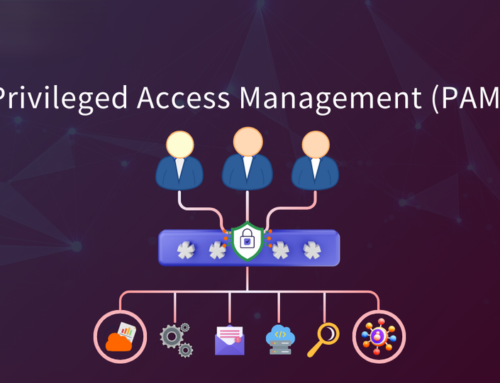
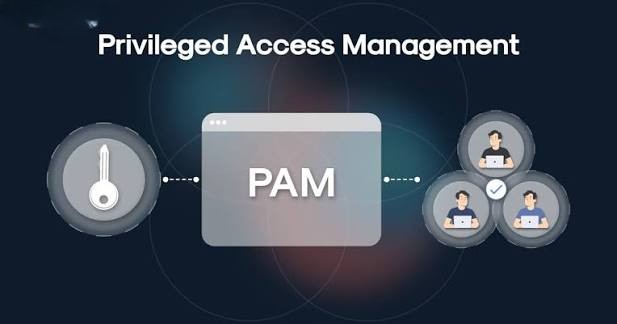
PAM platforms in SaaS implement a pam to centralize credential management, rotation, and vaulting so credentials are not stored in cleartext. PAM solutions often incorporate session brokering, monitoring privileged access, and automated provisioning to make access decisions based on workflow and identity access management. By integrating pam systems with single sign-on and identity providers, pam helps simplify access while ensuring permissions and access are granted only when required.
Examples of privileged access: How to monitor and audit privileged activity and review access
Monitoring privileged access in SaaS requires logging sessions, recording keystrokes or API calls, and maintaining an immutable audit trail so administrators can review access and detect access abuse. PAM makes it feasible to monitor and audit privileged actions across multiple SaaS apps, provides alerting for anomalous behaviour, and supports industry best practices for periodic entitlement reviews and access certification to ensure users can access only what is tied to privileged roles.
Examples of privileged access: What implementation steps for pam can provide and integration of pam solutions
To implement a pam in a SaaS environment, map the access model and privileged identities, deploy a pam platform to protect credentials, and integrate pam solutions with existing identity access management, logging, and ticketing systems. PAM plays multiple roles: pam protects admin interfaces, pam secures service accounts, pam makes approval workflows auditable, and pam can provide temporary elevated rights through just-in-time provisioning. Following these steps aligns with industry best practices and reduces risk from excessive or stale privileged access.