Why Traditional PAM Fails for SaaS Applications.
Why Traditional PAM Fails for SaaS Applications and Privileged Access Management Deployment
In an era defined by dynamic cloud environments and the pervasive adoption of SaaS applications, the efficacy of traditional Privileged Access Management (PAM) solutions is increasingly being scrutinized. While conventional PAM systems have historically served as the cornerstone of enterprise security, their architectural rigidities and operational paradigms often fall short when confronted with the distributed, ephemeral, and API-driven nature of modern cloud services. This article meticulously explores the inherent limitations of traditional PAM in safeguarding sensitive data within SaaS application ecosystems and outlines the critical necessity for an evolved approach to privileged access security.
Understanding PAM and Its Importance

Definition of Privileged Access Management
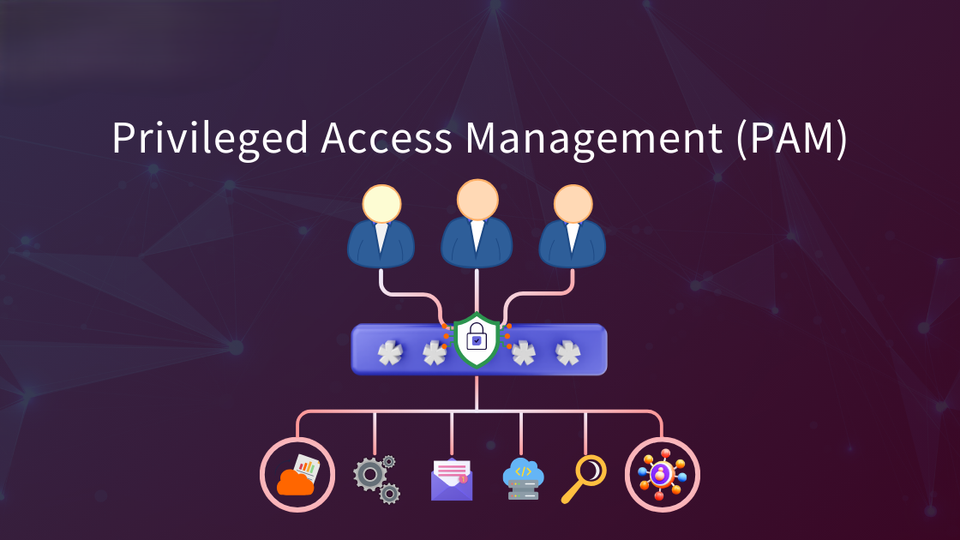
Privileged Access Management (PAM) is a comprehensive cybersecurity solution designed to secure, manage, and monitor all human and non-human privileged identities and their access to critical systems and data. As offered by Teamwin Global Technologica Pvt Ltd, a robust PAM solution establishes stringent access control mechanisms over privileged accounts, which possess elevated access and pose significant risk if compromised. The core objective of PAM is to reduce the risk of unauthorized access and data breaches by meticulously managing credentials, thereby fortifying an organization’s overall security posture against sophisticated cyber threats.
The Role of Privileged Credentials in Security
Privileged credentials, encompassing administrator passwords, service accounts, and application programming interface (API) keys, represent the keys to an organization’s most sensitive data and critical infrastructure. The compromise of even a single privileged account can grant an attacker unfettered access, leading to catastrophic security incidents, particularly if privileged session management is inadequate. To mitigate this profound risk, the Endpoint Privilege Tool (AdminbyRequest) is specifically engineered to safeguard endpoints by meticulously managing local admin privileges. This advanced privilege management tool plays a crucial role in protecting sensitive data from potential breaches and forms an essential layer of defense in any comprehensive cybersecurity strategy, particularly in managing privileged sessions.
Significance of Least Privilege in Modern Environments
The principle of least privilege dictates that every user, program, and process should have only the bare minimum privileges necessary to perform its function. In modern, complex IT environments, adhering to this security best practice is paramount for reducing the attack surface and minimizing the potential impact of a security breach. The Endpoint Privilege Tool (AdminbyRequest) is instrumental in enabling organizations to regain granular control over user privileges, ensuring that elevated access is granted only when and where absolutely necessary. This capability is critical for protecting sensitive data from potential breaches and is a cornerstone of robust identity and access management.
Challenges of Traditional PAM
Limitations of Legacy PAM Solutions
Traditional PAM solutions, often architected for on-premises environments, struggle to adapt to the complexities of modern, hybrid infrastructures. This poses significant challenges for various roles, particularly in managing privileged sessions and ensuring compliance with security policies.
| Role | Challenge with Traditional PAM |
| CISOs, CIOs, and CTOs must collaborate to ensure robust security policies are in place for managing privileged user access. | Managing intricate security landscapes and integrating diverse security technologies is vital for maintaining secure access to sensitive data and managing privileged sessions. |
| IT Managers, IT Directors | Cumbersome vendor management for sophisticated IT solutions, highlighting the need for trusted partners. |
| Network Administrators | Managing privileged access across hybrid infrastructures can create security gaps, leaving organizations vulnerable to sophisticated cyber threats and making it difficult to maintain robust security controls. |
These legacy PAM systems frequently involve complex deployments and extensive manual configurations, leading to operational inefficiencies and increased administrative overhead.
Incompatibility with SaaS Applications
The inherent design of many traditional PAM solutions makes them largely incompatible with the agile and dynamic nature of SaaS applications. These legacy systems were not built to manage privileged access within multi-tenant, cloud-native environments, leading to significant challenges for CISOs, CIOs, and CTOs in managing complex security landscapes. The conventional approach to privilege management, which often relies on network-centric controls and on-premises infrastructure, fails to effectively secure sensitive data within distributed SaaS ecosystems. This incompatibility results in a lack of comprehensive visibility and control over privileged identities and their access to critical SaaS applications, thereby increasing the attack surface and making robust identity and access management difficult to achieve.
Increased Attack Surface in Cloud Environments
The rapid adoption of cloud environments and SaaS applications inevitably expands an organization’s attack surface, a challenge that traditional PAM systems are ill-equipped to address comprehensively. With a growing number of privileged identities and service accounts accessing critical systems and data across various cloud services, the risk of unauthorized access significantly escalates. Compliance Officers and Risk Managers face particular concerns regarding third-party risks associated with these expanded perimeters and the potential impact on security policies. Legacy PAM deployments often lack the necessary security controls and session management capabilities to effectively audit and secure privileged activities in dynamic cloud settings, thereby failing to reduce the risk of advanced cyber threats and posing a substantial threat to sensitive data.
Modern PAM Solutions

Transitioning from Traditional PAM to Modern PAM
Transitioning from traditional PAM to modern PAM is a critical strategic imperative for organizations aiming to fortify their cybersecurity posture against the evolving landscape of cyber threats, particularly within dynamic cloud environments and SaaS applications. While legacy PAM systems were designed for on-premises infrastructures, modern PAM solutions, such as those provided by Teamwin Global Technologica, are architected to seamlessly integrate with cloud services, offering unparalleled flexibility and scalability. This shift involves moving beyond static password vaults and manual workflows to a more dynamic, automated, and context-aware approach to privilege management. Modern PAM deployments emphasize just-in-time access, reducing standing privilege and minimizing the attack surface by ensuring that elevated access is granted only when and where absolutely necessary, thereby enhancing the overall efficacy of identity and access management.
Key Features of Effective PAM Solutions for SaaS
Effective PAM solutions for SaaS applications must possess a robust set of features designed to address the unique challenges of cloud-native environments. The Endpoint Privilege Tool (AdminbyRequest), for example, exemplifies these cutting-edge capabilities by enabling organizations to regain granular control over user privileges and protect sensitive data from potential breaches. Key features include:
- Comprehensive session management, which allows for real-time monitoring and recording of all privileged activities, ensuring meticulous audit trails for compliance.
- Advanced credential management, secure remote access, and automated password rotation, significantly reducing the risk associated with compromised privileged credentials.
The emphasis on the principle of least privilege ensures that users and processes are granted only the necessary access, thereby minimizing the attack surface and fortifying security controls across all endpoints, including those within Windows, Mac, and Linux environments.
Best Practices for PAM Deployment in Cloud Security
Deploying PAM in cloud security environments requires adherence to several best practices to ensure comprehensive protection and operational efficiency. A critical first step involves integrating PAM with existing identity and access management systems to establish a unified approach to identity security. Organizations must prioritize the principle of least privilege, configuring access controls to grant just-in-time access and revoke elevated access immediately after a task is completed, thereby reducing standing privilege. Furthermore, continuous audit and monitoring of all privileged activities across cloud services are essential for security teams to detect and respond to anomalies in real-time. Teamwin Global Technologica’s expertise in cloud security and regulatory assurance directly supports organizations in establishing robust PAM deployment strategies that not only enhance security but also meet stringent compliance requirements, mitigating security gaps and protecting sensitive data from unauthorized access.
Security Risks and Mitigation Strategies
Identifying Privileged Access Security Risks
Enterprise IT Directors and CISOs are deeply concerned with mitigating sophisticated cyberattacks, recognizing that such threats pose an existential risk to organizational stability and data integrity. CIOs further emphasize the critical importance of robust risk management strategies to preempt and neutralize these evolving attack vectors and ensure secure access to privileged user accounts. For CTOs, the technical challenge lies in deploying advanced security technologies capable of thwarting persistent and stealthy adversaries. Various roles within IT face specific challenges, including the need for effective privileged session management and compliance with security policies.
- CISOs grapple with the daunting prospect of data breaches and insider threats, which necessitate meticulous control over privileged accounts and access rights to sensitive data.
- IT Managers and IT Directors are burdened with the continuous task of security patching, while Network Administrators must concurrently safeguard against network downtime.
- IT Security Managers and Security Analysts are at the forefront of threat detection and incident response, grappling with the complexities of false positives, alert fatigue, and constantly evolving attack vectors.
- Compliance Officers and Risk Managers are tasked with upholding stringent regulatory frameworks and preparing for rigorous audits, constantly striving to keep systems compliant and mitigate third-party risks associated with privileged access.
Implementing Security Controls for Privileged Identities
Implementing robust security controls for privileged identities is a cornerstone of modern cybersecurity, essential for protecting sensitive data and intellectual property from the myriad of sophisticated cyberattacks. Teamwin Global Technologica offers an advanced Privileged Access Management (PAM) solution, which includes the innovative Endpoint Privilege Tool (AdminbyRequest). This cutting-edge tool is specifically designed to safeguard endpoints by providing granular control over local admin privileges, enabling organizations to regain mastery over user privileges and thereby significantly reduce the attack surface. By meticulously managing these critical credentials, the PAM solution ensures that elevated access is granted only when and where absolutely necessary, thereby mitigating the risk of unauthorized access. Teamwin Global Technologica’s commitment to advanced security technologies ensures comprehensive protection for all systems and data, effectively addressing the intricate challenges associated with modern privilege management and securing cloud environments.
Enhancing Security Posture through Effective PAM
Enhancing an organization’s overall security posture through effective PAM is paramount in today’s complex threat landscape, particularly within dynamic cloud environments and SaaS applications. Teamwin Global Technologica’s comprehensive Privileged Access Management (PAM) solution, featuring the Endpoint Privilege Tool (AdminbyRequest), provides a cutting-edge approach to managing privileged access across an enterprise. This robust PAM solution is a key component of their extensive suite of IT security offerings, designed to meet the rigorous demands of complex enterprise requirements for secure access to sensitive data. With “Highly trained and motivated Teams” and an “Expert Network Security Assessment” service, Teamwin Global Technologica ensures that every PAM deployment is meticulously planned and executed, identifying and closing security gaps while recommending optimal security controls. This holistic approach empowers organizations to not only protect sensitive data but also maintain an agile and secure operational environment, effectively reducing the risk of sophisticated cyber threats and unauthorized access.
Conclusion
Summary of Key Takeaways
Teamwin Global Technologica specializes in empowering clients through advanced IT security solutions, with a strong emphasis on Privileged Access Management (PAM) and secure access to sensitive information. Their expertise extends to safeguarding enterprise data and intellectual property by deploying cutting-edge security technologies designed to combat evolving cyber threats. The Endpoint Privilege Tool (AdminbyRequest) exemplifies their commitment to robust privilege management, enabling organizations to manage local admin privileges meticulously and protect sensitive data from potential breaches. Offering a comprehensive suite of IT security solutions alongside managed support services, Teamwin Global Technologica emphasizes a custom-tailored approach to privileged session management and PAM deployment. Their dedication to providing responsive 24/7 support ensures that organizations can confidently navigate complex security landscapes, secure privileged access, maintain regulatory compliance, and mitigate sophisticated cyberattacks, thereby strengthening their overall security posture and ensuring continuous operation.
Future of PAM in Cloud Security
The future of PAM is inextricably linked with the evolving landscape of cloud security, demanding adaptive and scalable solutions that transcend the limitations of traditional PAM systems. As organizations increasingly migrate critical infrastructure and sensitive data to cloud environments and adopt SaaS applications, the need for robust privileged access security becomes even more pronounced. Teamwin Global Technologica’s expertise in cloud security and regulatory assurance directly addresses these compliance needs, ensuring that PAM deployments are not only effective but also aligned with stringent industry standards. Modern PAM solutions must offer seamless integration with various cloud services, providing comprehensive identity and access management, just-in-time access, and advanced session management capabilities to effectively manage privileged activities across distributed cloud architectures. This proactive approach will be crucial in reducing the risk of unauthorized access and safeguarding against advanced cyber threats in a cloud-first world.
Final Thoughts on PAM Deployment Strategies
Effective PAM deployment strategies are crucial for sustained organizational success and growth, requiring a meticulous approach to integrating security controls within existing IT infrastructures. Teamwin Global Technologica provides managed support services that are instrumental in optimizing these deployments, ensuring that every aspect of privilege management, from credential rotation to session monitoring, operates seamlessly. Their commitment to offering responsive and helpful customer support through multiple channels ensures that organizations receive timely assistance, thereby minimizing any potential security gaps. By focusing on best practices such as the principle of least privilege, rigorous authentication, and continuous audit, organizations can effectively reduce the risk of unauthorized access and protect sensitive data. The strategic implementation of a comprehensive PAM solution from Teamwin Global Technologica is a vital investment in fortifying an enterprise against the multifaceted threats of the modern cyber landscape, securing all privileged accounts and critical systems and data.

How does traditional on-premises privileged account management solutions fail for cloud pam and identity security?
Traditional on-premises PAM tools were designed for static networks and local servers, so they struggle to secure cloud resources and provide visibility into privileged accounts across dynamic environments. Without native cloud pam integration and identity management, these legacy solutions can’t enforce consistent access policies, key management, or role-based access control for remote access and SaaS applications, leaving gaps in privileged identity management and reducing the layer of security organizations need.
Why does pam implementation often struggle with granting access to privileged accounts across SaaS applications?
Implementing PAM for SaaS is hard because privileged accounts in cloud and SaaS services use different authentication models, APIs, and ephemeral credentials. Password management alone can’t handle token-based access or API keys, so organizations need cloud pam solutions that support key management, privileged access management solutions for identity security, automated provisioning, and role-based access to securely grant and revoke access and provide visibility into privileged activity.
Can privileged access management solutions and role-based access control securely manage administrative access in the cloud?
Yes—modern privileged access management solutions and role-based access control (RBAC) models can securely manage administrative access when designed for management in the cloud. By combining privileged identity management, access policies, and least-privilege role-based access, a cloud pam solution can reduce risk, provide an extra layer of security, and simplify granting access while ensuring password management, key management, and PAM tools work together to protect access to privileged accounts.
What key features must a cloud pam solution include to replace traditional PAM and improve privilege management?
A cloud pam solution should include identity management integration, automated key management, session recording, fine-grained access policies, role-based access control, and support for SaaS authentication methods. These management solutions must provide visibility into privileged activity, centralized password management, and the ability to configure and enforce least privilege across privileged accounts. Together these features help organizations gain access control, reduce credential sprawl, and add an extra layer of security.
How do privileged identity management and implementing pam help organizations gain visibility into privileged access and secure remote access?
Privileged identity management and careful pam implementation give organizations a unified view of who can access what and when, improving visibility into privileged accounts and enabling faster incident response. By implementing robust access policies, role-based access control, and combining password management with key management and session controls, PAM helps organizations secure remote access, manage privileged accounts across cloud resources and SaaS, and provide an effective layer of security against misuse of administrative access.