
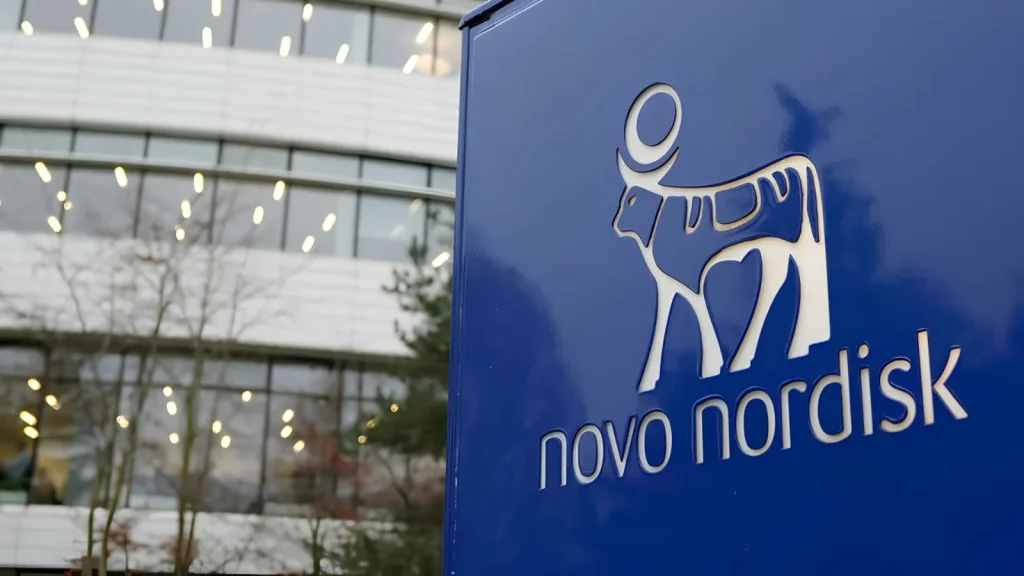
Novo Nordisk Confirms Cyber Attack — Hackers Accessed Patient Medical Data and Internal AI Assets
The pharmaceutical industry, a bedrock of public health and scientific innovation, has once again been rocked by a serious cyberattack. This time, Danish giant Novo Nordisk has publicly confirmed a breach, shedding light on the alarming reality that even organizations handling sensitive patient data and cutting-edge research are not immune to determined threat actors. The incident highlights critical vulnerabilities in data protection and the growing threat to intellectual property, particularly in the realm of artificial intelligence.
Novo Nordisk Breach: A Glimpse into Compromised Data and AI Assets
On June 11, 2026, Novo Nordisk disclosed that unauthorized parties had successfully infiltrated their internal IT systems. This wasn’t merely a system disruption; attackers exfiltrated “certain non-public” information, including pseudonymized patient data from ongoing clinical trials. This level of access to patient information, even if pseudonymized, raises significant concerns about privacy and the potential for re-identification.
Perhaps even more concerning, the alleged attackers claim to have accessed and stolen a vast collection of proprietary AI model assets. In an era where AI is rapidly transforming drug discovery, development, and delivery, the compromise of such assets represents a severe blow to competitive advantage and intellectual property. The theft of AI models could accelerate rival research efforts or, more nefariously, be used to create counterfeit drugs or compromise the integrity of future research.
The Rising Tide of Attacks on Healthcare and Pharma
This incident at Novo Nordisk is not isolated. The healthcare and pharmaceutical sectors are prime targets for cyber criminals due to the highly valuable and sensitive nature of their data. Patient medical records fetch high prices on dark web marketplaces, and proprietary research, especially related to new drug compounds or advanced technologies like AI, offers immense strategic and financial incentives for competitors or state-sponsored actors.
Attacks on these sectors often stem from various vectors, including sophisticated phishing campaigns, exploitation of unpatched software vulnerabilities, and supply chain compromises. Organizations must remain vigilant against evolving threats, as the impact extends far beyond financial losses to include reputational damage, regulatory fines, and, most critically, compromised patient trust.
Implications for AI Security
The alleged theft of AI model assets from Novo Nordisk underscores a burgeoning area of cybersecurity concern: the protection of artificial intelligence. AI models represent significant investments in time, resources, and intellectual capital. Their compromise can lead to:
- Loss of Competitive Advantage: Stolen models can be reverse-engineered or directly applied by competitors, erasing years of R&D effort.
- Model Poisoning and Integrity Issues: External access could allow for manipulation or “poisoning” of training data, leading to biased or inaccurate model outputs.
- Disclosure of Proprietary Algorithms: The underlying mechanics and proprietary algorithms embedded within the AI models could be exposed.
- Supply Chain Risks: If third-party AI frameworks or libraries are compromised, it could introduce vulnerabilities into otherwise secure systems.
Remediation Actions and Best Practices
While Novo Nordisk has not released details on the specific vulnerabilities exploited, the incident serves as a stark reminder for all organizations, particularly those in critical sectors, to bolster their cybersecurity postures. Comprehensive defense strategies are paramount.
- Robust Access Control: Implement multifactor authentication (MFA) across all systems, especially for accessing sensitive data and AI assets. Regularly review and revoke unnecessary access privileges.
- Network Segmentation: Isolate critical systems, including those housing patient data and AI models, from general corporate networks. This limits lateral movement for attackers.
- Endpoint Detection and Response (EDR): Deploy EDR solutions to monitor endpoints for suspicious activity and quickly detect and respond to threats.
- Vulnerability Management: Establish a rigorous patch management program. Promptly address known vulnerabilities in operating systems, applications, and third-party software. While not associated with this specific incident, a common vulnerability like CVE-2023-38827 (affecting WinRAR, for example) demonstrates how seemingly innocuous flaws can lead to significant compromise.
- Data Encryption: Encrypt all sensitive data, both at rest and in transit. This applies to patient data as well as AI training sets and model binaries.
- Security Awareness Training: Continuously educate employees on phishing attempts, social engineering tactics, and safe data handling practices.
- Incident Response Plan: Develop and regularly test a comprehensive incident response plan. This includes procedures for detection, containment, eradication, and recovery.
- AI Security Frameworks: For organizations leveraging AI, establish specific security frameworks that address the unique challenges of protecting AI models, training data, and pipelines. This includes adversarial attack detection and data provenance.
| Tool Name | Purpose | Link |
|---|---|---|
| Splunk Enterprise Security | SIEM for threat detection and incident response | https://www.splunk.com/ |
| CrowdStrike Falcon Insight XDR | Endpoint Detection and Response (EDR) | https://www.crowdstrike.com/ |
| Tenable Nessus | Vulnerability scanning and management | https://www.tenable.com/products/nessus |
| Data Loss Prevention (DLP) solutions | Prevents sensitive data exfiltration | (Varies by vendor, e.g., Symantec, Forcepoint) |
| OWASP Top 10 for LLMs | Guidance for securing Large Language Models | https://llmtop10.com/ |
Looking Ahead: The Evolving Threat Landscape
The Novo Nordisk breach serves as a powerful reminder of the relentless pursuit by threat actors targeting high-value sectors. The successful exfiltration of patient data and, critically, internal AI assets, demonstrates a shift in attacker priorities beyond mere financial gain to intellectual property theft and competitive espionage. Organizations must prioritize the security of their digital assets, invest in robust defenses, and foster a culture of cybersecurity awareness to mitigate these ever-present threats.




