Switzerland Moves Away From Microsoft 365 to Open-Source Alternatives
Switzerland’s Bold Move: Embracing Digital Sovereignty with Open-Source
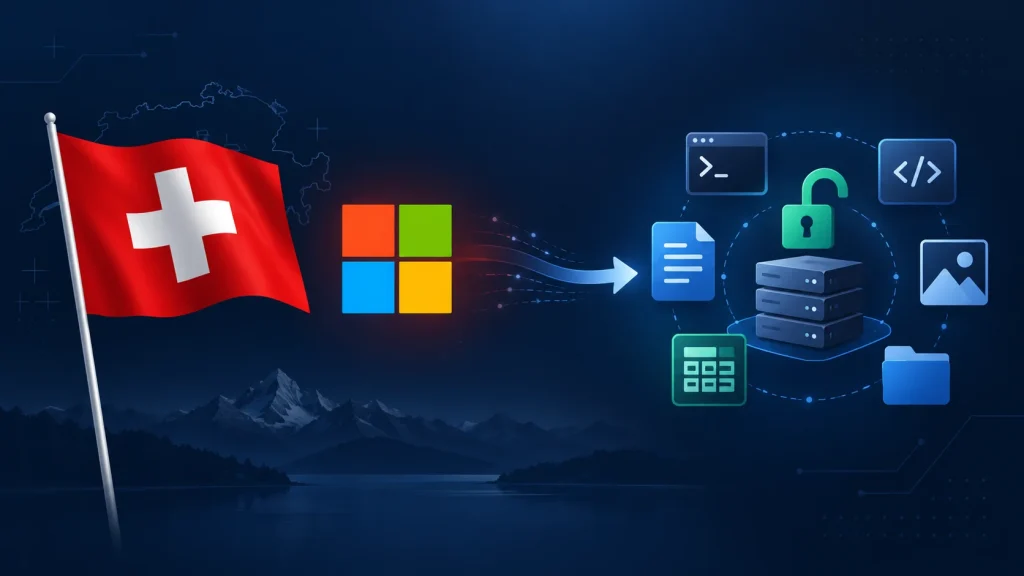
The landscape of government IT infrastructure is undergoing a significant transformation, with nations increasingly prioritizing digital sovereignty and data security. Switzerland, a global leader in privacy and neutrality, is now at the forefront of this shift. Its federal administration is actively exploring a departure from proprietary solutions like Microsoft 365, opting instead for robust, open-source alternatives. This strategic pivot signals a growing recognition among governments of the critical need for greater control over their digital ecosystems, especially for sensitive operations.
This initiative, detailed in a recent report from Cybersecurity News, highlights Switzerland’s commitment to reducing long-term dependence on external vendors. The move is not merely a technical upgrade but a foundational re-evaluation of how sensitive government data is managed and secured. The decision to pursue an open-source digital workplace is a proactive step towards enhancing national cybersecurity and safeguarding critical information from potential supply chain vulnerabilities or foreign interference.
The Genesis of a Sovereign Digital Workplace
The impetus for this significant transition stems from a comprehensive feasibility study conducted by the Swiss Federal Council. The results, presented on September 2, 2026, laid the groundwork for a follow-up program, now spearheaded by the Federal Chancellery. This program is dedicated to the development and implementation of a sovereign, open-source digital workplace tailored to the specific needs and security requirements of the Swiss federal administration.
The core objective is clear: to build an IT environment that Switzerland can fully control, from its foundational code to its operational processes. This approach minimizes reliance on external proprietary systems, which often come with opaque codebases and potential backdoors, or, more commonly, simply less transparency and control over data handling and security protocols.
Why Open Source? The Advantages for Government Operations
The selection of open-source alternatives over commercial offerings like Microsoft 365 is driven by several compelling advantages, particularly crucial for government entities handling sensitive data:
- Transparency and Auditability: Open-source software allows for complete scrutiny of its code. This transparency is paramount for security-conscious organizations, enabling them to identify and mitigate potential vulnerabilities independently. Unlike proprietary software where the internal workings remain a black box, open-source code can be reviewed by internal security teams and external auditors.
- Enhanced Security: With a global community of developers constantly reviewing and improving the codebase, open-source projects often benefit from rapid identification and remediation of security flaws. Furthermore, the ability to customize and harden the software without vendor restrictions provides an added layer of security control.
- Digital Sovereignty and Control: By controlling the software stack, Switzerland gains true digital sovereignty. This means reduced dependence on foreign vendors, protection against vendor lock-in, and the assurance that data remains within national borders under national jurisdiction, a critical factor for government operations.
- Cost-Effectiveness in the Long Run: While initial migration and development costs can be significant, open-source solutions often lead to substantial long-term savings by eliminating licensing fees and providing greater flexibility in hardware and software choices.
- Adaptability and Customization: Open-source platforms are inherently more adaptable. Governments can tailor the software precisely to their unique operational requirements, integrating specific functionalities and adhering to stringent regulatory compliance standards without waiting for vendor updates or paying for custom development.
Implications for Global Cybersecurity and Government IT
Switzerland’s strategic move is not an isolated incident but part of a broader global trend. More nations are beginning to re-evaluate their reliance on monolithic proprietary systems in favor of more transparent, controllable, and secure open-source solutions. This trend has significant implications:
- Increased Competition and Innovation: The shift towards open source encourages innovation within the open-source community, fostering development of robust and secure alternatives to established commercial products.
- Strengthened National Cybersecurity Posture: By embracing open source, governments can build more resilient and trustworthy digital infrastructures, thereby enhancing their overall national cybersecurity posture. This can help mitigate risks associated with sophisticated cyber threats and espionage.
- Policy Influence: Switzerland’s decision could serve as a powerful precedent, influencing other governments and international organizations to consider similar transitions, particularly those concerned with data privacy and national security.
For more detailed information on this development, refer to the original report: Switzerland Moves Away From Microsoft 365.
Looking Ahead: The Future of Government Digital Infrastructure
The Swiss Federal Chancellery’s follow-up program represents a substantial undertaking, involving complex technical implementations, organizational change management, and a rigorous security framework. The success of this initiative will be closely watched by cybersecurity analysts and government IT strategists worldwide.
This bold step underscores a fundamental principle: true digital sovereignty is not merely about owning hardware but about controlling the software that runs on it. As the digital threat landscape continues to evolve, the ability for nations to build, inspect, and secure their own digital foundations will become increasingly vital. Switzerland’s journey provides a compelling case study for others contemplating a similar path towards enhanced security and digital independence.