
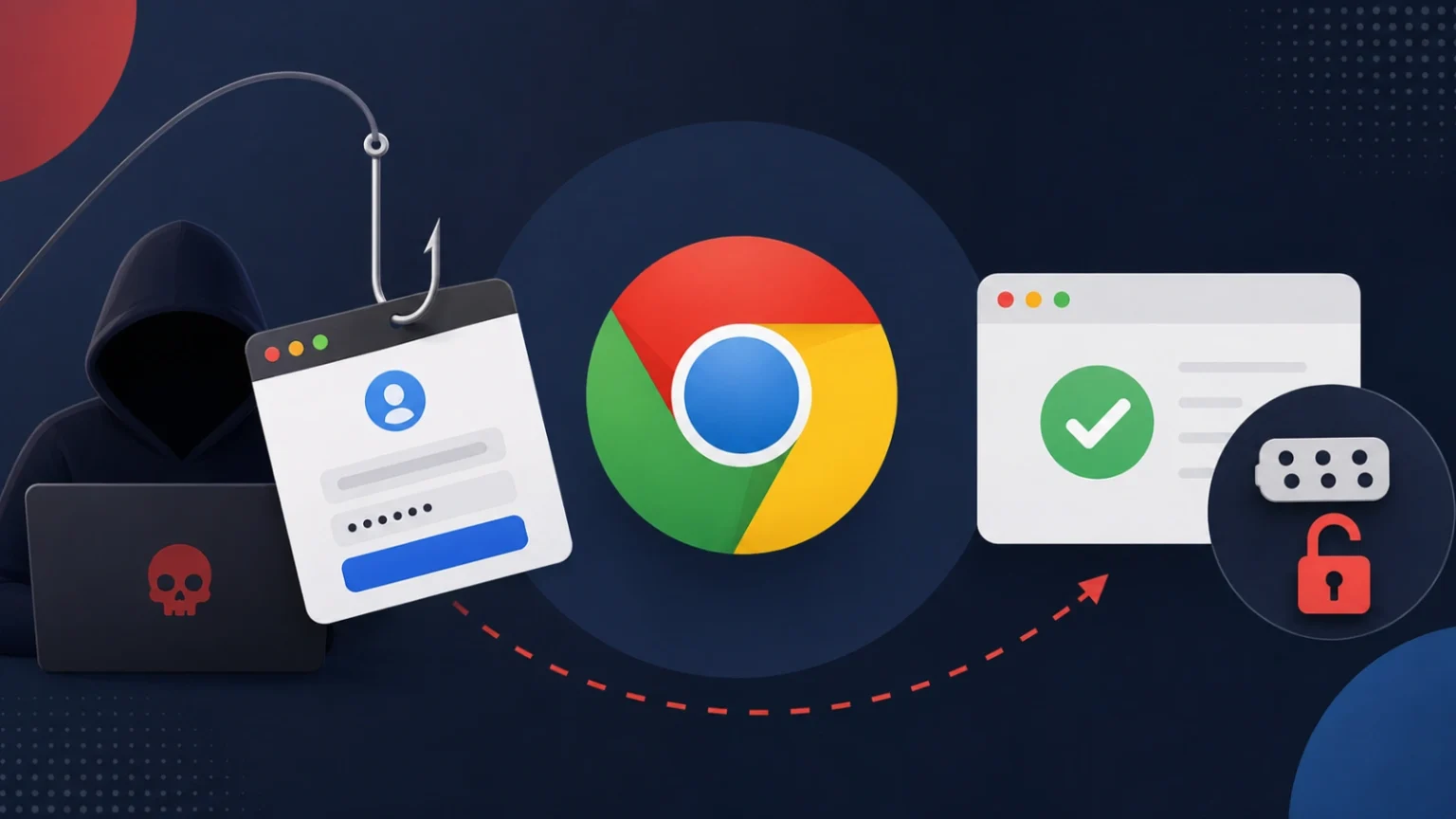
AI-Generated Phishing No Longer Needs Malware: It Can Steal Your Session Inside the Browser
The landscape of cyber threats is shifting dramatically. For years, the fight against phishing largely centered on identifying malicious attachments or links leading to malware downloads. However, a new and insidious form of attack has emerged: AI-generated phishing that sidesteps malware entirely, focusing instead on hijacking active user sessions directly within the browser. This evolution challenges established security paradigms and demands a rapid adaptation from security operations centers (SOCs) worldwide.
The Evolution of Phishing: Beyond Malware Delivery
Traditional phishing campaigns often relied on tricking users into downloading malicious software or revealing credentials through fake login pages. While effective for a time, these methods have become increasingly detectable by modern endpoint protection systems and vigilant users. Attackers, leveraging advancements in artificial intelligence and sophisticated social engineering techniques, are now crafting extremely convincing phishing lures designed to facilitate session hijacking. This strategic pivot means the threat actor gains direct access to a user’s active session, effectively bypassing multi-factor authentication (MFA) and other traditional perimeter defenses.
How In-Browser Session Hijacking Works
The core of this advanced phishing technique is to exploit the trust users place in their browsers and web applications. Instead of initiating a malware download, the AI-generated phishing attack often leads to a seemingly legitimate, but compromised, webpage. Once on this page, various techniques can be employed:
- Cookie Theft: Malicious JavaScript embedded in the fake page can steal session cookies, which are small pieces of data used to maintain a user’s logged-in state. With these cookies, an attacker can impersonate the legitimate user without needing their password or even their MFA token.
- Browser-in-the-Browser (BITB) Attacks: These sophisticated attacks create a fake browser window within the legitimate browser, making it appear as if the user is interacting with a trusted application (e.g., a Microsoft 365 or Google login prompt). The user inputs their credentials into the fake window, which are then captured by the attacker.
- Real-time Proxying: Some advanced kits act as a man-in-the-middle, proxying the user’s connection to the legitimate service. When the user logs in, the attacker captures the session token in real-time, forwarding the legitimate login process to avoid suspicion while simultaneously gaining unauthorized access.
The critical distinction here is that no malware is installed on the endpoint. The attack unfolds entirely within the browser, making it incredibly difficult for traditional endpoint detection and response (EDR) solutions to identify and prevent.
Bypassing MFA and Evading Detection
The ability to steal active session tokens is particularly concerning because it renders many MFA solutions ineffective. MFA typically verifies a user’s identity at the point of login. If an attacker can hijack a session *after* a legitimate login, the MFA challenge is circumvented. This “post-MFA” bypass is a significant game-changer for threat actors.
Furthermore, because these attacks operate within the browser and avoid file-based malware, they often bypass conventional antivirus and even many EDR solutions that primarily look for suspicious executables or file modifications. The malicious activity is largely confined to network traffic and browser process memory, areas where historical security controls have been less granular.
Remediation Actions for SOCs and Organizations
Mitigating AI-generated, in-browser session hijacking requires a multi-layered and adaptive security strategy. SOCs must evolve their detection and response capabilities to address this new threat paradigm.
- Enhanced Browser Security Controls: Implement robust browser security policies. For enterprise environments, consider policies that restrict JavaScript execution from untrusted sources, enforce strict content security policies (CSPs), and utilize browser extensions that provide phishing protection.
- Advanced Phishing Training: Employee training must move beyond simply identifying suspicious links or attachments. Users need to be educated on the visual cues of legitimate websites versus fake ones, the dangers of interacting with pop-up windows within trusted sites, and the importance of verifying URLs meticulously.
- Session Monitoring and Anomaly Detection: Implement tools that monitor user session activity for anomalous behavior. This includes unusual access times, geographic location changes within a single session, or rapid requests for sensitive data immediately after login. Behavioral analytics solutions can be crucial here.
- Continuous Authentication: Explore continuous authentication mechanisms that periodically re-verify user identity throughout a session, rather than just at login. This could involve subtle behavioral biometrics or contextual checks.
- Zero Trust Architecture: Embrace a Zero Trust security model, where every access request is validated, regardless of origin. This minimizes the impact of a compromised session by restricting access to only the necessary resources.
- DNS Filtering and Threat Intelligence: Leverage advanced DNS filtering services to block access to known malicious domains associated with phishing kits. Integrate real-time threat intelligence feeds into security tools to quickly identify and block newly discovered phishing infrastructure.
- Regular Penetration Testing and Red Teaming: Conduct regular security assessments that specifically test for in-browser session hijacking techniques to identify vulnerabilities in your defenses before attackers do.
Relevant Tools for Detection and Mitigation
| Tool Name | Purpose | Link |
|---|---|---|
| Zscaler Cloud Security Platform | Advanced web and DNS filtering, inline threat prevention, and CASB for detecting and blocking access to malicious sites. | https://www.zscaler.com/ |
| Proofpoint Email Protection | Email security gateway with advanced URL defense, attachment sandboxing, and brand protection to mitigate phishing attempts. | https://www.proofpoint.com/ |
| Darktrace AI Analyst | AI-powered network detection and response (NDR) for identifying subtle anomalies in network traffic and user behavior that may indicate session hijacking. | https://www.darktrace.com/ |
| Microsoft Defender for Cloud Apps (MCAS) | Cloud Access Security Broker (CASB) offering visibility into cloud app usage, data protection, and behavior anomaly detection for cloud sessions. | https://www.microsoft.com/en-us/security/business/cloud-security/microsoft-defender-for-cloud-apps |
| Cofense PhishMe | Security awareness training platform specializing in simulated phishing attacks and employee education on emerging threats. | https://cofense.com/product-services/phishme-simulations/ |
The Future of Web Security and User Trust
The shift to AI-generated phishing that targets in-browser sessions without malware represents a significant escalation in the cyber arms race. It underscores the fragility of implicit trust placed in the browser environment and the inadequacy of security models focused solely on endpoint integrity. Organizations must prioritize building resilient security architectures that account for compromised sessions, leverage behavioral analytics for detection, and continuously educate users on the sophisticated tactics employed by today’s threat actors. The fight against phishing is no longer about detecting a bad file; it’s about safeguarding the very fabric of user interaction with web services.




