
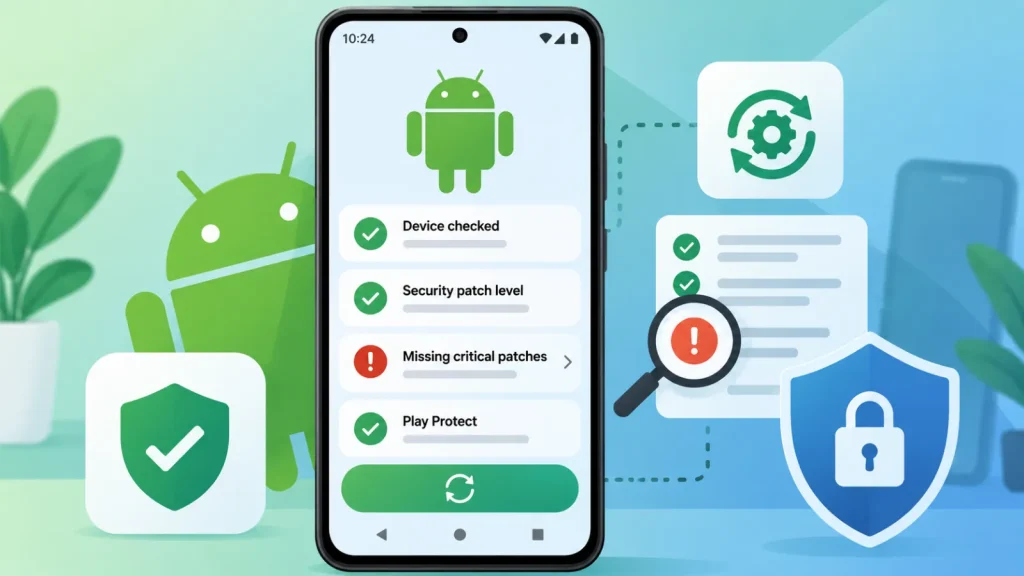
Android Apps Can Now Check If Your Phone Is Missing Critical Security Patches
Android’s New Security State Libraries: A Deeper Dive into Device Patching
The landscape of mobile security is constantly evolving, with new threats emerging and existing vulnerabilities being exploited. For Android users and, critically, for enterprises managing a fleet of Android devices, understanding a device’s true security posture has historically been a challenge. While the monthly Security Patch Level (SPL) offered a high-level overview, it often lacked the granularity needed to identify precise unpatched components. This is now changing with the introduction of Android’s new Security State libraries, empowering apps and enterprise tools to perform a more detailed assessment of a device’s patch status.
This significant update provides developers with an unprecedented view into the underlying security of Android devices, moving beyond the traditional, often opaque, monthly SPL. It offers a more robust framework for identifying critical gaps, pending updates, and specific vulnerability fixes, enhancing the overall security ecosystem.
Beyond the Monthly Security Patch Level
For years, the monthly Security Patch Level has been the primary indicator of an Android device’s security status. While useful, it presented a simplified picture. A device showing a recent SPL might still harbor unpatched system components or lingering vulnerabilities if the update process wasn’t comprehensive or if specific critical fixes were missed. The new Security State libraries address this by offering a more granular and actionable insight.
These libraries enable applications and mobile device management (MDM) solutions to:
- Identify specific system components that are missing critical security patches.
- Detect pending security updates that haven’t yet been applied.
- Verify the application of particular vulnerability fixes, rather than relying on a broad patch level.
This shift from a broad indicator to a detailed component-level analysis is crucial for proactive security management, allowing for targeted remediation efforts rather than waiting for the next comprehensive system update.
Implications for Developers and Enterprises
The introduction of these Security State libraries has profound implications for both app developers and IT professionals managing Android devices within an enterprise setting. For developers, it means the ability to build more secure applications that can dynamically adjust their behavior based on a device’s precise security posture. For instance, an app handling sensitive data might refuse to operate or activate enhanced security protocols if it detects an unpatched critical component.
For enterprises, the benefits are even more significant:
- Enhanced Compliance: Organizations can now ensure their Android fleet meets specific security benchmarks by verifying individual patch applications.
- Proactive Risk Management: IT departments can identify and address unpatched vulnerabilities before they are exploited, reducing the attack surface.
- Improved Incident Response: In the event of a newly discovered vulnerability, enterprises can quickly scan their devices to determine exposure and prioritize patching efforts.
- Granular Device Monitoring: MDM solutions can leverage these libraries to provide real-time, detailed security reports on managed devices, allowing for more informed decision-making.
Remediation Actions for a Hardened Android Environment
While the new Security State libraries provide enhanced visibility, proactive measures remain essential for maintaining a strong security posture. Here are key remediation actions:
- Enable Automatic Updates: Ensure that all Android devices are configured to receive and install security updates automatically. This reduces the window of vulnerability.
- Regularly Monitor Patch Status: For enterprises, utilize MDM solutions that integrate with the new Security State libraries to continuously monitor the patching status of all managed devices.
- Prioritize Critical Updates: When new vulnerabilities are announced, such as CVE-2023-XXXXX (placeholder for a hypothetical critical CVE), ensure that the specific patches addressing these are applied promptly across all devices.
- Educate Users: Inform users about the importance of keeping their devices updated and the risks associated with running outdated software.
- Implement Least Privilege: Restrict app permissions to only what is absolutely necessary, reducing the potential impact of a compromised application.
- Utilize Secure Boot Features: Ensure devices are utilizing secure boot mechanisms to verify the integrity of the operating system at startup.
The Future of Android Security Monitoring
This development marks a significant step forward in Android security. By providing more detailed and actionable insights into a device’s patching status, Android is empowering both developers and administrators to build and maintain a more secure mobile ecosystem. This granular visibility will undoubtedly lead to more resilient applications, more secure enterprise deployments, and ultimately, a safer experience for Android users worldwide.
The focus is shifting from a superficial understanding of “patched” to a deep insight into “how patched” and “where are the gaps.” This enhanced transparency is a welcome change, promising a future where critical security vulnerabilities are identified and addressed with greater precision and speed.




