
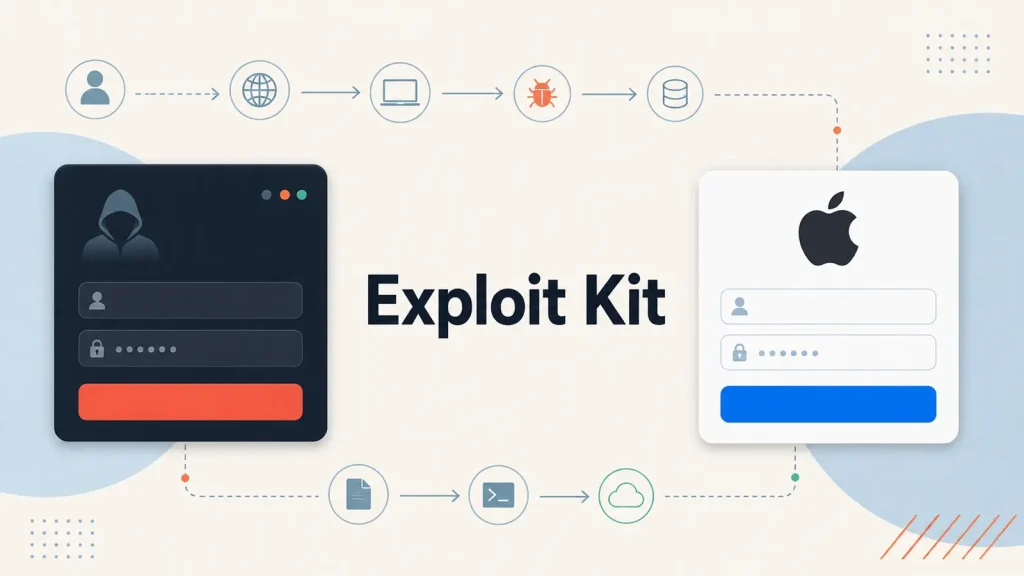
DarkSword iOS Exploit Kit Spreads Across 180 Web Properties and 27 Hosts
DarkSword: The Evolving iOS Exploit Kit Threatening Your iPhone Security
In the constantly shifting landscape of cyber threats, a particularly insidious campaign known as DarkSword has emerged, rapidly expanding its malicious reach. What began as a leaked iOS exploit chain has metastasized into a sophisticated and fast-changing network of malicious web infrastructure, actively targeting iPhone users. This isn’t just another phishing scam; DarkSword represents a significant leap in mobile exploitation, designed to extract highly sensitive data from unsuspecting victims.
Understanding the DarkSword Campaign
DarkSword is an advanced iOS exploit kit that leverages vulnerabilities within Apple’s mobile operating system to compromise iPhones. The campaign specifically targets devices running iOS versions 18.4 through 18.7. Its operational methodology is characterized by a multi-stage attack that begins with social engineering and culminates in data exfiltration.
The attackers employ a broad array of tactics to lure victims. This includes the creation of convincing fake sign-in pages, meticulously crafted iOS-themed websites, and the compromise of legitimate web properties. Once a user visits one of these lure sites, the exploit kit attempts to gain unauthorized access to their device.
According to recent analysis, DarkSword’s infrastructure has dramatically expanded, now spanning across 180 distinct web properties and operating from 27 different hosts. This widespread distribution makes detection and mitigation a complex challenge for both security professionals and end-users.
The Attack Vector: How DarkSword Compromises Devices
The initial phase of a DarkSword attack relies heavily on deception. Users are enticed to visit malicious websites through various means, such as phishing emails, malvertising, or compromised legitimate sites. These lure sites are engineered to appear authentic, often mimicking popular services or official Apple pages.
Upon visiting a compromised site, the DarkSword exploit kit attempts to exploit vulnerabilities present in the targeted iOS versions. While specific CVEs linked to this particular campaign haven’t been publicly disclosed in the provided source, the nature of “exploit chains” suggests a combination of bugs, potentially including browser-based vulnerabilities (like those affecting WebKit) or privilege escalation flaws. For example, similar types of exploits often leverage vulnerabilities such as a hypothetical CVE-202X-XXXXX (if details become public, they would be linked to CVE-202X-XXXXX) allowing remote code execution or sandbox escapes.
Once the exploit is successful, the attackers gain access to the device, enabling them to steal a wide range of sensitive data. This can include credentials, personal information, financial data, and potentially even intellectual property.
Impact and Severity
The impact of a successful DarkSword compromise is severe. Given its ability to steal “highly sensitive data,” victims face significant risks, including identity theft, financial fraud, and privacy violations. The sophisticated nature of the exploit kit, combined with its widespread infrastructure, underscores the criticality of staying vigilant and implementing robust security practices.
Remediation Actions and Proactive Defense
Protecting against advanced threats like DarkSword requires a multi-layered approach. Here are actionable steps for individuals and organizations:
- Keep iOS Updated: Always ensure your iPhone is running the latest available iOS version. Apple regularly releases security patches to address vulnerabilities. The fact that DarkSword targets iOS 18.4-18.7 suggests that newer versions likely contain fixes for the exploited vulnerabilities.
- Exercise Caution with Links: Be extremely wary of clicking on unsolicited links, even if they appear to come from trusted sources. Always verify the authenticity of a website before entering any personal information.
- Use Strong, Unique Passwords and MFA: Implement strong, unique passwords for all online accounts and enable Multi-Factor Authentication (MFA) wherever possible. This adds an extra layer of security, even if your credentials are stolen.
- Security Software and DNS Filtering: For organizations, deploy mobile threat defense (MTD) solutions and implement robust DNS filtering to block access to known malicious domains.
- Employee Training: Educate employees about phishing tactics and the dangers of visiting suspicious websites. Awareness is a critical first line of defense.
- Regular Backups: Maintain regular backups of your important data. While this won’t prevent an exploit, it can aid in recovery if data is compromised or encrypted.
Relevant Tools for Detection and Mitigation
While direct tools for detecting DarkSword specifically might be proprietary or rapidly evolving, general cybersecurity tools can significantly enhance your defensive posture against such exploit kits:
| Tool Name | Purpose | Link |
|---|---|---|
| Mobile Threat Defense (MTD) Solutions | Detects and prevents mobile-specific threats, including exploits, malware, and phishing attempts on iOS devices. | (Vendor-specific, e.g., Lookout, Zimperium) |
| DNS Filtering Services | Blocks access to known malicious domains and C2 servers, preventing connection to exploit kit infrastructure. | OpenDNS (Cisco Umbrella) |
| Web Application Firewalls (WAF) | Protects web applications from common web exploits and can help block access to compromised sites from internal networks. | (Vendor-specific, e.g., Cloudflare, Akamai) |
| Endpoint Detection & Response (EDR) | Monitors endpoints for suspicious activity and provides capabilities for threat hunting and incident response. | (Vendor-specific, e.g., CrowdStrike, SentinelOne) |
Conclusion
The DarkSword iOS exploit kit is a stark reminder of the persistent and evolving threats targeting mobile devices. Its expansion across 180 web properties and 27 hosts signifies a dedicated and well-resourced adversary. By understanding its modus operandi and implementing proactive security measures, users and organizations can significantly reduce their risk of falling victim to this sophisticated campaign. Staying informed, vigilant, and committed to cybersecurity best practices remains the strongest defense.




