Microsoft Begins to Merge Consumer and Enterprise Copilot Apps to Make New Super App
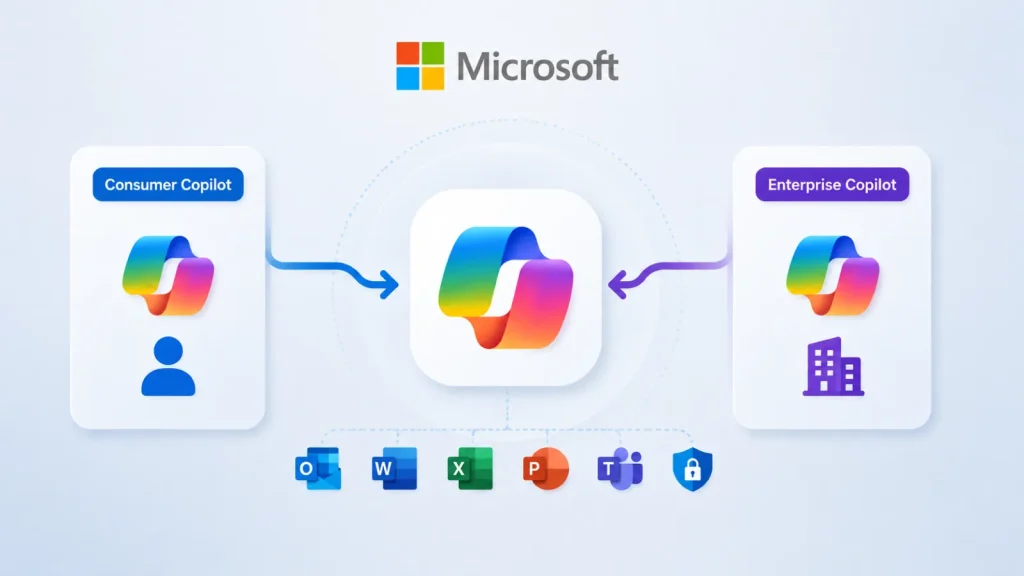
Microsoft is making a significant move toward a unified AI experience, signaling a future where personal computing and enterprise productivity are seamlessly integrated. This strategic consolidation of consumer and enterprise Copilot applications marks a pivotal shift in how users will interact with artificial intelligence, transforming it into a “super app” designed for comprehensive utility across all digital domains.
The Dawn of a Unified Copilot Experience
The tech giant is actively merging core functionalities of its consumer-focused AI assistant with the robust Microsoft 365 productivity environment. This isn’t merely a rebranding; it’s a structural integration aimed at delivering a singular, powerful AI assistant. The new iteration of Copilot is positioned as a comprehensive application, capable of assisting with personal tasks, streamlining workplace productivity, managing files, facilitating collaboration, and driving AI-powered content creation. This move underscores Microsoft’s commitment to making AI an indispensable tool for every user, regardless of their role or context.
From Microsoft 365 App to Copilot Hub
In a direct reflection of this strategic shift, Microsoft has renamed the Microsoft 365 app to the Microsoft 365 Copilot app. This renaming is more than cosmetic; it signifies the central role Copilot will play within the entire Microsoft 365 ecosystem. Users will no longer toggle between disparate AI tools for different functions. Instead, Copilot will serve as a centralized hub, accessible directly from the application formerly known as Microsoft 365, providing consistent AI assistance across Word, Excel, PowerPoint, Outlook, and Teams, as well as for general inquiries and creative endeavors.
Key Integrations and Enhanced Capabilities
The merging of these Copilot versions promises a suite of enhanced capabilities:
- Personalized Assistance: Leveraging insights from personal usage patterns and preferences, Copilot will offer more tailored suggestions and automations.
- Seamless Workflow Integration: AI assistance will be deeply embedded within productivity applications, allowing users to generate documents, analyze data, create presentations, and manage communications without leaving their workflow.
- Cross-Platform Accessibility: The unified Copilot will be accessible across various devices and platforms, ensuring a consistent AI experience whether on a desktop, laptop, or mobile device.
- Advanced Content Creation: Users will benefit from more sophisticated AI-driven content generation, from drafting complex emails to summarizing lengthy reports and creating engaging visuals.
- Improved Collaboration: Copilot will facilitate smarter collaboration by assisting with meeting summaries, action item tracking, and real-time content co-creation.
Implications for Cybersecurity and Data Privacy
While the consolidation of Copilot applications offers significant advantages in terms of productivity and user experience, it also brings important considerations for cybersecurity and data privacy. A unified AI assistant handling both personal and enterprise data requires robust security measures to prevent unauthorized access and data breaches. Microsoft’s enterprise-grade security protocols will be crucial in safeguarding this integrated environment. Organizations will need to reinforce their data governance policies and ensure strict adherence to compliance regulations, especially concerning the handling of sensitive information processed by Copilot.
For example, potential vulnerabilities could arise from complex data integration points or extensive permission models if not rigorously secured. While no specific CVEs related to this particular merger have been disclosed, general AI security concerns (e.g., prompt injection, data poisoning) remain relevant. Practitioners should be aware of emerging threats related to large language models (LLMs) and their integration into enterprise systems, which can sometimes introduce novel attack vectors. Keeping abreast of best practices for securing AI systems is paramount.
Conclusion
Microsoft’s initiative to merge its consumer and enterprise Copilot applications into a single, cohesive “super app” represents a significant leap forward in the evolution of AI integration. This move promises unparalleled convenience and productivity for users across all facets of their digital lives. As this unified Copilot ecosystem develops, the emphasis on robust security measures and stringent data privacy protocols will be critical to ensuring its safe and effective deployment. Organizations and individual users alike should prepare to embrace a future where AI is not just a tool, but an integral, intelligent partner in their daily tasks.