
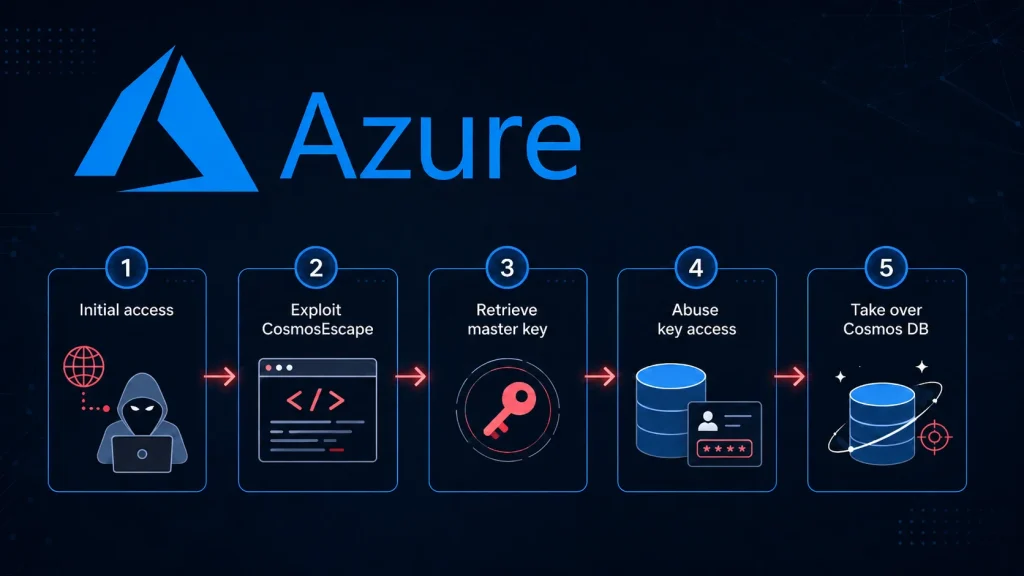
New CosmosEscape Vulnerability Lets Attackers Take Over Azure Cosmos DB Instances
Unpacking CosmosEscape: A Critical Vulnerability in Azure Cosmos DB
A disturbing revelation in the cybersecurity landscape recently surfaced, highlighting a critical vulnerability, dubbed CosmosEscape, within Microsoft Azure Cosmos DB. This wasn’t merely a bug; it was a profound weakness that could have granted attackers unprecedented access to virtually every database hosted on the service, including the bedrock of Microsoft’s own operations. For IT professionals, security analysts, and developers relying on Azure, understanding the implications of CosmosEscape is paramount.
What is CosmosEscape and Why is it Critical?
At its core, CosmosEscape represented a cross-tenant attack vector. This means an attacker exploiting the vulnerability could have potentially breached the isolation between different Cosmos DB customers. The vulnerability specifically resided in Cosmos DB’s Gremlin API, designed for graph database operations. A successful exploit could have led to a complete takeover of affected Azure Cosmos DB instances, threatening the integrity and confidentiality of vast amounts of sensitive data.
The severity of CosmosEscape stemmed from its potential impact: compromising not only millions of customer workloads but also Microsoft’s internal infrastructure. This underscores the far-reaching consequences of such a flaw in a foundational cloud service.
Technical Breakdown of the Vulnerability (CVE Pending for Detailed Analysis)
While a specific CVE number for CosmosEscape is still pending wider publication and detailed analysis by official bodies like MITRE (we will update this section with a link to CVE-PENDING once available), the core issue revolved around an exploitable flaw within the Gremlin API. Attackers could leverage this vulnerability to bypass standard authorization mechanisms and gain elevated privileges across different Cosmos DB accounts. This type of cross-tenant exploitation is particularly concerning in multi-tenant cloud environments, where strong isolation is a fundamental security principle.
- Cross-Tenant Attack: The ability for an attacker to pivot from one customer’s instance to another.
- Gremlin API Exploitation: The specific vector for the vulnerability, indicating a flaw in how the API processed requests or handled authentication.
- Data Exfiltration and Modification: A successful attack could have resulted in unauthorized access, modification, or deletion of data within compromised databases.
Remediation Actions and Best Practices
Microsoft has swiftly patched the CosmosEscape vulnerability, so direct action to patch the vulnerability itself is generally not required for users. However, the incident serves as a crucial reminder of ongoing security best practices when utilizing cloud services like Azure Cosmos DB:
- Stay Informed: Regularly monitor official Microsoft security advisories and announcements for Azure services.
- Implement Least Privilege: Ensure that applications and users are granted only the minimum necessary permissions to perform their tasks within Cosmos DB.
- Robust Access Control: Utilize Azure Active Directory (Azure AD) integration for Cosmos DB and enforce strong authentication mechanisms, including Multi-Factor Authentication (MFA).
- Network Security: Implement strict network security rules, including IP firewall restrictions and virtual network service endpoints, to limit access to Cosmos DB accounts.
- Regular Auditing and Monitoring: Continuously monitor Cosmos DB activity logs for unusual patterns or suspicious access attempts. Leverage Azure Monitor and Azure Sentinel for this purpose.
- Data Encryption: While Cosmos DB encrypts data at rest and in transit by default, ensure that sensitive data is further protected through application-layer encryption where appropriate.
- Backup and Recovery: Maintain regular and tested backup and recovery procedures for all critical Cosmos DB data.
Tools for Cloud Security Posture Management
While CosmosEscape was patched by Microsoft, organizations should proactively employ tools to maintain a strong cloud security posture. These tools help identify misconfigurations, enforce policies, and detect anomalous behavior that could indicate compromise, even for undiscovered vulnerabilities.
| Tool Name | Purpose | Link |
|---|---|---|
| Azure Security Center / Microsoft Defender for Cloud | Cloud security posture management (CSPM), threat protection, and vulnerability assessment across Azure resources. | https://azure.microsoft.com/en-us/services/security-center/ |
| Azure Sentinel | Security Information and Event Management (SIEM) and Security Orchestration, Automation, and Response (SOAR) for cloud-native security analytics. | https://azure.microsoft.com/en-us/services/azure-sentinel/ |
| Cloud Security Posture Management (CSPM) Tools (e.g., Wiz, Orca Security) | Identifies misconfigurations, compliance violations, and risks across multi-cloud environments. | https://www.wiz.io/ https://orca.security/ |
| Azure Monitor | Collects, analyzes, and acts on telemetry from cloud and on-premises environments, including logging and metrics for Cosmos DB. | https://azure.microsoft.com/en-us/services/monitor/ |
Key Takeaways from the CosmosEscape Disclosure
The CosmosEscape vulnerability serves as a potent reminder of the shared responsibility model in cloud computing. While Microsoft is responsible for the security of the cloud, customers remain responsible for security in the cloud. This incident highlights:
- The relentless nature of sophisticated cyber threats targeting foundational cloud services.
- The paramount importance of prompt and effective vulnerability remediation by cloud providers.
- The continuous need for organizations to implement robust security practices and monitor their cloud environments actively.
Maintaining a proactive security posture, staying informed, and adhering to best practices are not merely recommendations; they are essential commitments in the ongoing effort to secure digital assets in the cloud.




